


Abstract
Electronic compasses are essential navigation devices that are widely used in consumer electronics, automotive systems, marine instruments, and aviation technology.
Unlike traditional magnetic compasses, electronic compasses use digital sensors, magnetometers, and microcontrollers to determine orientation with great accuracy.
According to Liu and Chen (2022) in the Journal of Navigation and Instrumentation, electronic compasses rely on three-axis magnetometer measurements that are corrected for tilt and local magnetic interference. This enables them to provide accurate heading information even in dynamic or tilted environments.
Modern electronic compasses integrate with GPS, accelerometers, and gyroscopes to enhance the accuracy and reliability of navigation in complex applications.
This article provides a comprehensive technical overview of electronic compasses, including definitions, operating principles, classifications, materials, technological integration, applications, challenges, and future trends.
Introduction: The Role of Electronic Compasses
Electronic compasses have become indispensable in the modern era of navigation and orientation. Integrated into smartphones, automotive navigation systems, drones, marine instruments, and wearable technology, they provide precise heading information without the limitations of traditional magnetic compasses.
Unlike analogue compasses, which rely solely on the Earth’s magnetic field, electronic compasses can account for tilt, magnetic interference, and dynamic motion, providing consistent directional data in a variety of environments. As autonomous vehicles, smart navigation systems, and IoT-enabled devices become more prevalent, engineers, developers, and technology enthusiasts need to understand the technology behind electronic compasses.
Definition of Electronic Compass
An electronic compass is a navigation instrument that uses sensors such as magnetometers to digitally measure the Earth’s magnetic field and provide heading information in a numerical or digital format. Unlike mechanical compasses, which rely on a freely rotating needle, electronic compasses use electronic components and algorithms to determine orientation.
Key features of electronic compasses include:
- Digital heading output: – Degrees from magnetic or true north.
- Tilt compensation: Corrects for angular deviation from the horizontal plane.
- Integration with other sensors: Accelerometers, gyroscopes, and GPS modules.
- Environmental adaptation: Filtering out magnetic interference and local anomalies.
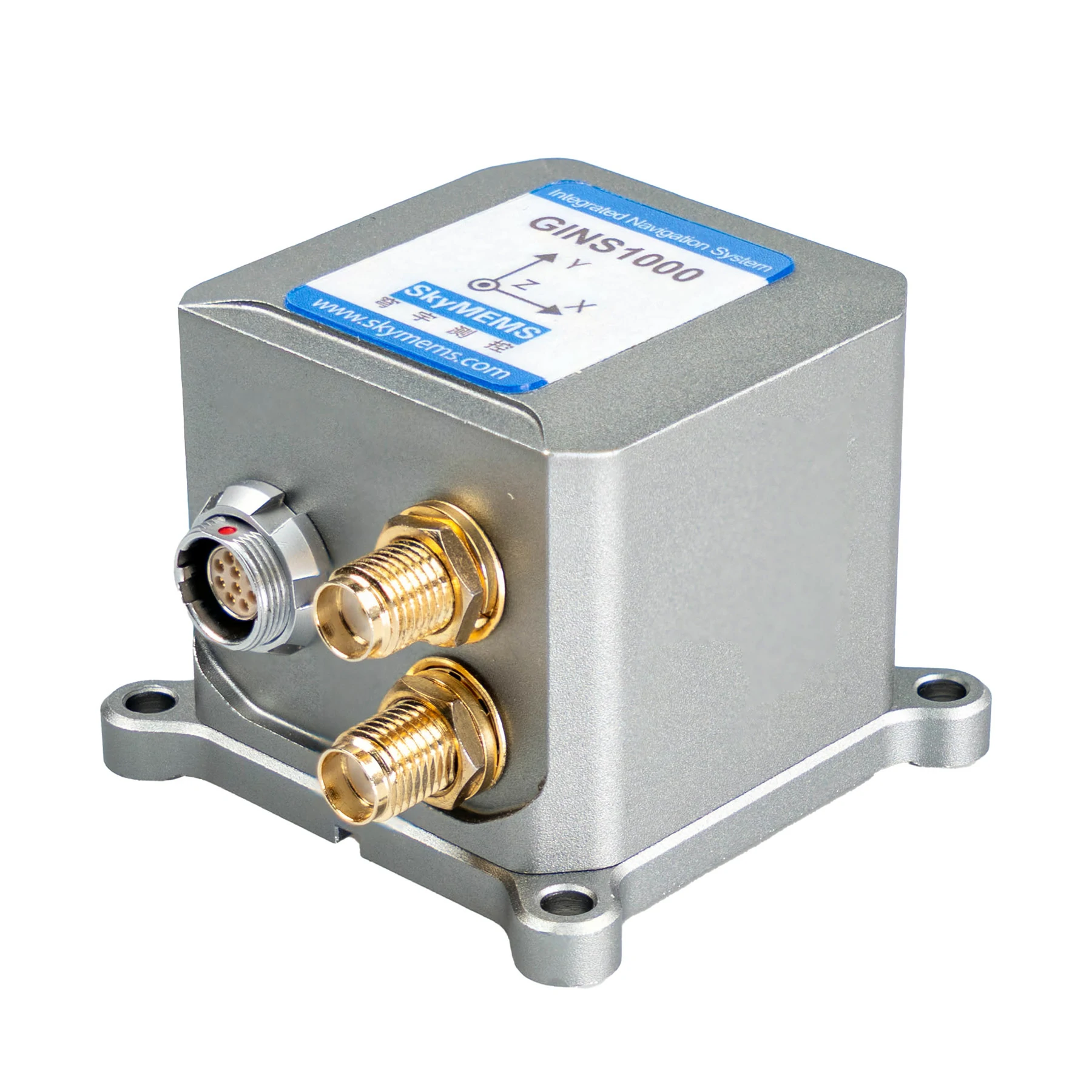
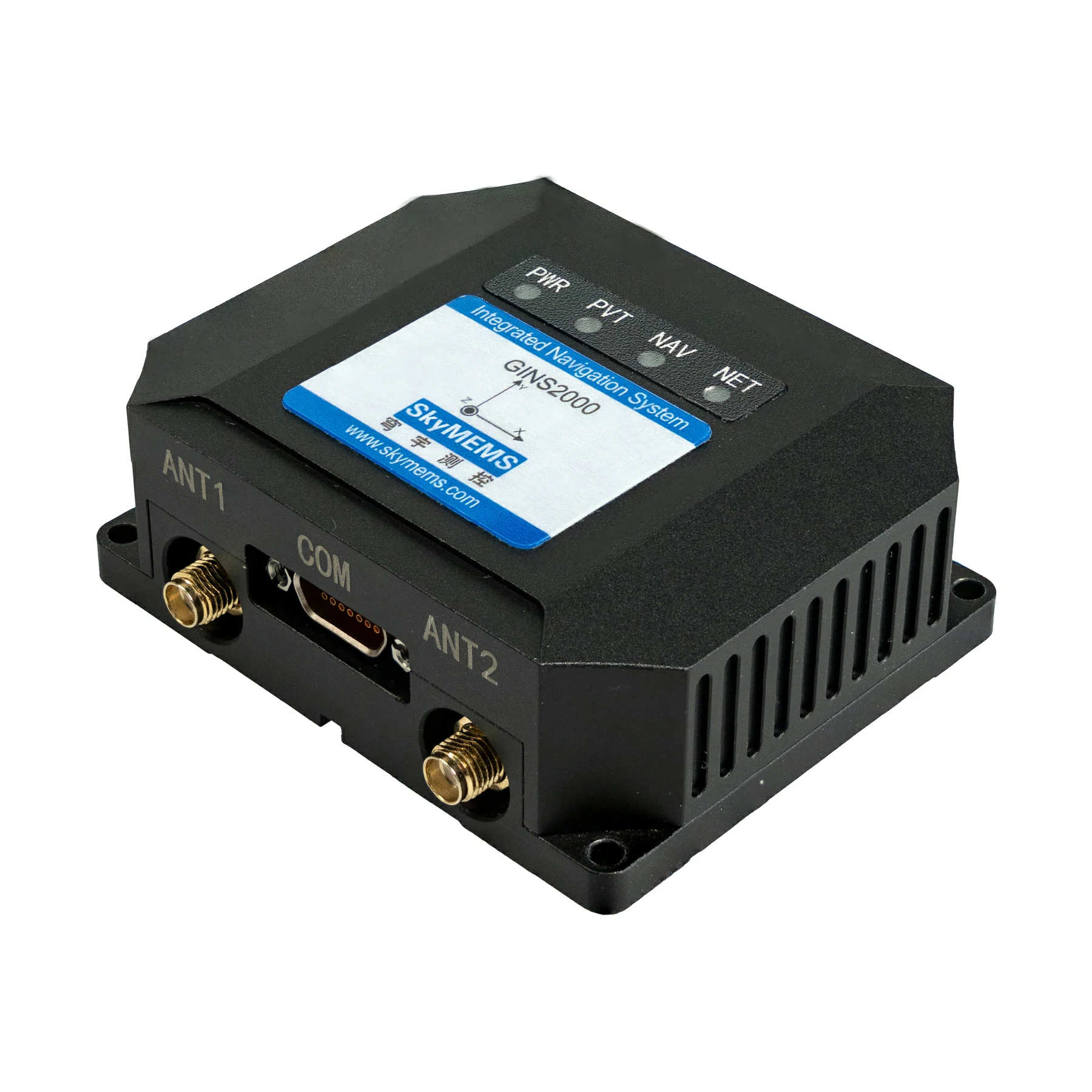
Electronic compasses can be used either as standalone sensors in robotics and portable devices or as integrated navigation modules in GPS systems and advanced avionics.
How Electronic Compasses Work?
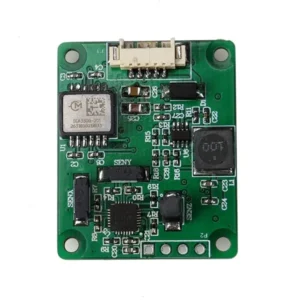
Electronic compasses operate based on magnetometer sensors that measure magnetic field vectors along multiple axes. The main working principle involves three-axis magnetometer measurement.
- Three-Axis Magnetometer Measurement
Most electronic compasses use a three-axis magnetometer to detect the Earth’s magnetic field along the X, Y, and Z axes. This enables the compass to calculate directional vectors regardless of the device’s orientation.
- Tilt compensation
Electronic compasses use accelerometers to calculate tilt angles, ensuring accurate heading information even when the device is tilted or in motion. Tilt-compensated heading is achieved by combining magnetometer and accelerometer data through mathematical transformations.
- Sensorfusion
Modern electronic compasses integrate data from gyroscopes and GPS modules. Sensor fusion algorithms, such as Kalman filters, enhance accuracy, reduce drift, and provide a reliable heading in environments with magnetic disturbances.
- Digital processing
Microcontrollers process the raw sensor data, applying calibration, filtering, and algorithmic corrections to generate real-time heading outputs. Advanced compasses may also compensate for hard and soft iron distortions caused by nearby metallic objects.
| Komponente | Funktion | Role in Compass |
| Magnetometer | Measures Earth’s magnetic field | Primary sensor for heading detection |
| Beschleunigungsmesser | Measures tilt/acceleration | Provides tilt compensation |
| Gyroskop | Misst die Winkelgeschwindigkeit | Improves orientation stability |
| Microcontroller | Processes sensor data | Computes digital heading output |
Classification of Electronic Compasses
Electronic compasses can be classified according to application, technology, and integration level.
| Typ | Beschreibung | Applications |
| Standalone Digital Compass | Independent sensor module | Robotics, drones, handheld navigation |
| Integrated Compass Module | Embedded in GPS or devices | Smartphones, automotive navigation |
| Fluxgate Compass | Uses fluxgate sensors for precision | Marine navigation, aviation |
| MEMS Compass | Micro-electromechanical system | Consumer electronics, wearables |
| Hybrid Compass | Combines multiple sensors (gyro, GPS) | Autonomous vehicles, UAVs |
Each class of electronic compass has specific advantages and limitations in terms of accuracy, size, power consumption, and environmental tolerance.
Components and Materials
Electronic compasses are advanced navigation instruments that use electronic sensors to determine direction, rather than relying solely on traditional magnetic needles. Thanks to their accuracy, durability, and ability to integrate with other devices, they are essential in industries ranging from automotive to aerospace.
- Core components:
Magnetoresistive sensors (MR sensors): These sensors detect the Earth’s magnetic field with high sensitivity and low power consumption.
Accelerometers and gyroscopes: Measure tilt and orientation to compensate for device movement and improve directional accuracy.
Microcontroller units (MCUs): Process signals from the sensors and calculate precise heading information.
Signal processing algorithms: They filter out noise and environmental interference to ensure stable and reliable readings.
- Materials and design considerations
Magnetic shielding materials: Protect the sensor from external electromagnetic interference.
High-grade PCB materials: Ensure durability, temperature resistance, and minimal signal distortion.
Encapsulation and housing: Use corrosion-resistant metals or reinforced polymers to ensure long-term reliability in harsh environments.
Applications of Electronic Compasses
Electronic compasses have a wide range of applications:
Consumer electronics: Smartphones, wearables, and cameras for orientation.
Automotive systems: Navigation and driver-assistance systems.
Aviation and marine: heading reference for aircraft, ships, and submarines.
Robotics and drones: Path planning and navigation.
Military applications: Tactical navigation and geolocation in field operations.
| Anmeldung | Benefit | Key Functional Features |
| Smartphone | Augmented reality, GPS orientation | Compact MEMS compass |
| Drone Navigation | Precise flight control | Tilt compensation, sensor fusion |
| Marine Compass | Accurate heading at sea | Fluxgate or high-precision sensors |
| Automotive | Driver-assistance systems | Integrated hybrid compass with GPS |
Advantages of Electronic Compasses
Electronic compasses offer several advantages over traditional magnetic compasses, making them ideal for modern navigation systems.
High precision and accuracy: They can provide real-time heading data even when the device is tilted or moving.
Integration with other systems: They can be combined with GPS, inertial navigation systems, or IoT devices to provide enhanced navigation solutions.
Compact and lightweight: Ideal for portable electronics, smartphones, UAVs, and wearable devices.
Low power consumption: Modern sensors are designed for energy efficiency, extending battery life in mobile applications.
They are durable and maintenance-free, as they are less affected by physical wear, friction, or environmental magnetic disturbances.
Challenges and Limitations
Despite their advantages, electronic compasses face technical challenges.
Magnetic interference: Accuracy can be affected by nearby metal or electronic devices.
Sensor drift: MEMS sensors may experience slow drift, requiring recalibration.
Calibration complexity: Precise algorithmic calibration is required for optimal performance.
Power consumption: High-performance modules can drain the battery of portable devices.
Solutions include advanced filtering algorithms, adaptive calibration, and sensor fusion technologies.
How to Choose an Electronic Compass?
- Determine your application and use scenario.
Different applications require different compass specifications. Ask yourself:
Where will it be used?
- Outdoor navigation (e.g., hiking, trekking)
- Automotive or marine navigation
- UAVs and drones
- Robotics and automation
- Wearables (e.g., smartwatches, fitness trackers)
The intended use affects sensor performance, size, power consumption, and environmental resistance.
- Accuracy and Sensor Performance
Key Sensor Types:
- Magnetoresistive (MR) sensors – offer good accuracy with low power consumption, making them ideal for consumer devices and drones.
- Hall effect sensors are cost-effective but less sensitive, and are suitable for basic heading detection.
Fluxgate sensors: high accuracy and stability; often used in professional navigation and industrial systems.
What to look for:
- Heading accuracy (e.g. ±1° vs. ±5°)
- Tilt compensation (necessary if the compass will be used at various angles)
- Multi-axis detection (2-axis or 3-axis capability; 3-axis preferred for orientation stability)
Environmental and Usage Conditions
Electronic compasses operate in varied environments. Environmental and usage conditions
Electronic compasses operate in varied environments. Choose based on:
Temperature and weather:
- High-grade compasses should be able to withstand extremes (e.g., 40°C to +85°C).
- Weather-sealed or ruggedised housings are necessary for outdoor, marine, or industrial use.
Magnetic interference:
Avoid interference from metal structures, electronics, and motors. Look for magnetic shielding and calibration algorithms to maintain accuracy.
- Integration and compatibility
Consider how the compass will work with your system.
Standalone vs. embedded modules:
- Standalone units for navigation systems
- Embedded sensor modules for smartphones, drones, and robotics
Output interfaces:
- Digital (I2C, SPI, UART) for modern electronics integration
- Analog outputs for legacy systems
Software support:
- Drivers and APIs for calibration, filtering, and data fusion
- Compatibility with GPS, IMU (inertial measurement unit), and navigation software
- Power consumption and size
Power efficiency:
- Critical for battery-powered applications (e.g., wearables and UAVs).
- Choose low-power sensors with sleep or standby modes.
Form factor:
- Smaller size for compact devices
- Mounting options that suit PCB layouts or enclosed housings
- Calibration and signal processing
Quality compasses use advanced algorithms that:
- Filter noise
- Compensate for tilt and dynamic motion
- Adjust for local magnetic anomalies
Good calibration support ensures long-term reliability.
- Durability and longevity
When reliability matters, look for:
- High-quality PCB materials and encapsulation
- Corrosion-resistant housing
- Long OEM support and firmware updates
- Cost vs. performance
Balance your budget with the required performance.
- Entry-level compasses: suitable for basic orientation tasks
- Mid-range sensors: good for drones and automotive assistance
- High-end compasses: ideal for marine, industrial, or precision navigation
Focus on total value, not just price.
Future Trends in Electronic Compasses (2026–2030)
Significant technological advancements in electronic compasses are expected over the next five years, driven by demands for higher precision, miniaturisation, and smart integration.
- Enhanced sensor accuracy: development of multi-axis magnetometers with ultra-high sensitivity.
Better compensation for environmental interferences, including urban magnetic noise and metal structures.
- Miniaturisation and integration
– Smaller, lighter compasses suitable for smartphones, wearables, and drones.
Integration with IoT and AI-powered navigation systems enables real-time route optimisation.
- Advanced materials
Use of temperature-stable and corrosion-resistant materials to improve reliability in extreme conditions.
Enhanced PCB designs reduce signal noise and increase efficiency.
- Smart applications
Integration with autonomous vehicles, robotics, and marine navigation systems.
Real-time data fusion with GPS, LIDAR, and gyroscopes enables high-precision positioning.
- Energy efficiency and sustainability
Low-power electronic compasses designed for long-duration, battery-powered devices.
Use of sustainable materials and manufacturing processes to reduce environmental impact.
FAQ Section
Q1: What is an electronic compass?
An electronic compass is a device that digitally measures the Earth’s magnetic field and provides orientation information.
Q2: How does an electronic compass differ from a traditional compass?
It uses sensors, microcontrollers, and algorithms to correct for tilt, interference, and motion, providing more accurate readings.
Q3: What sensors are used in electronic compasses?
Magnetometers, accelerometers, and gyroscopes are commonly used, often integrated with GPS modules.
Q4: Can electronic compasses work indoors?
Yes, but accuracy may decrease near metallic objects or electronic devices, causing magnetic interference.
Q5: What are common applications of electronic compasses?
Smartphones, drones, automotive navigation, marine navigation, robotics, and military equipment.
Schlussfolgerung
Electronic compasses represent a significant advancement in navigation technology, offering highly accurate heading information that surpasses that provided by traditional compasses. These devices integrate magnetometers, accelerometers, gyroscopes, and GPS modules to enable accurate operation in dynamic, tilted, or magnetically noisy environments.
Electronic compasses are essential components for navigation, orientation, and location-based applications in a variety of fields, from consumer electronics to drones, automotive systems, and marine instruments. It is crucial for engineers, developers, and technology professionals aiming to design or deploy reliable navigation solutions to understand their principles, components, classifications, and integration strategies.
As sensor technology advances and integration with AI, the Internet of Things (IoT), and autonomous systems increases, electronic compasses will continue to evolve, offering even greater accuracy, versatility, and application potential across multiple industries.