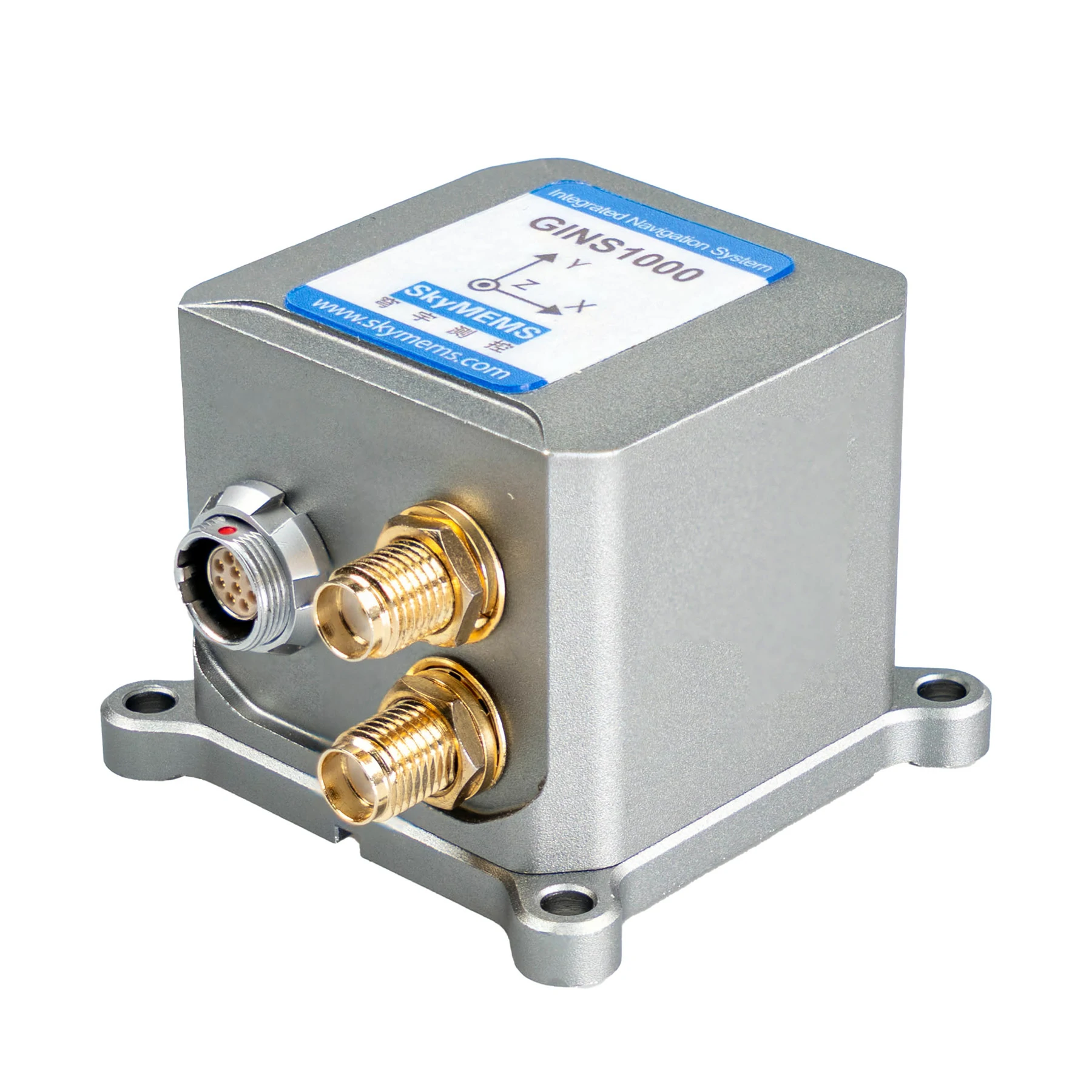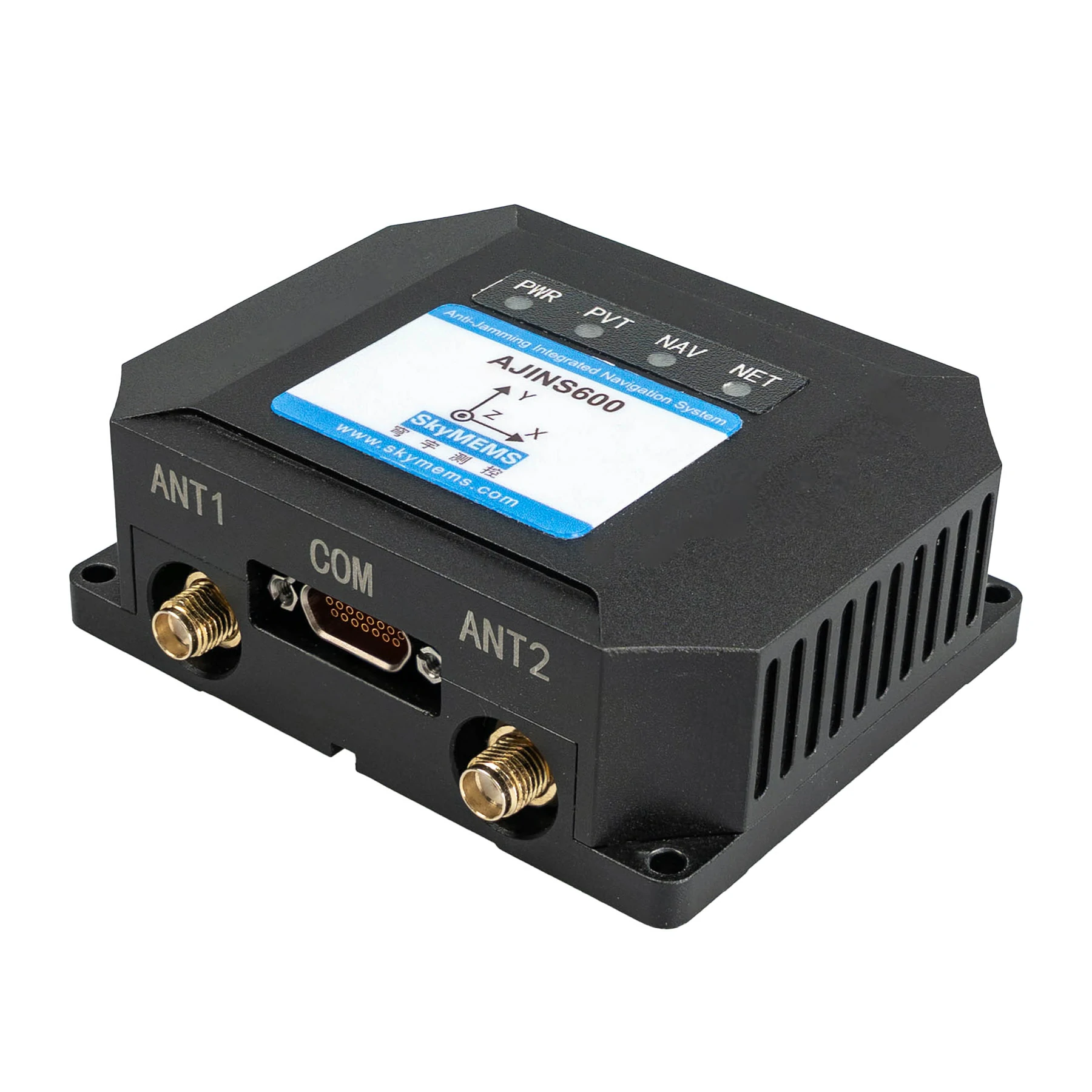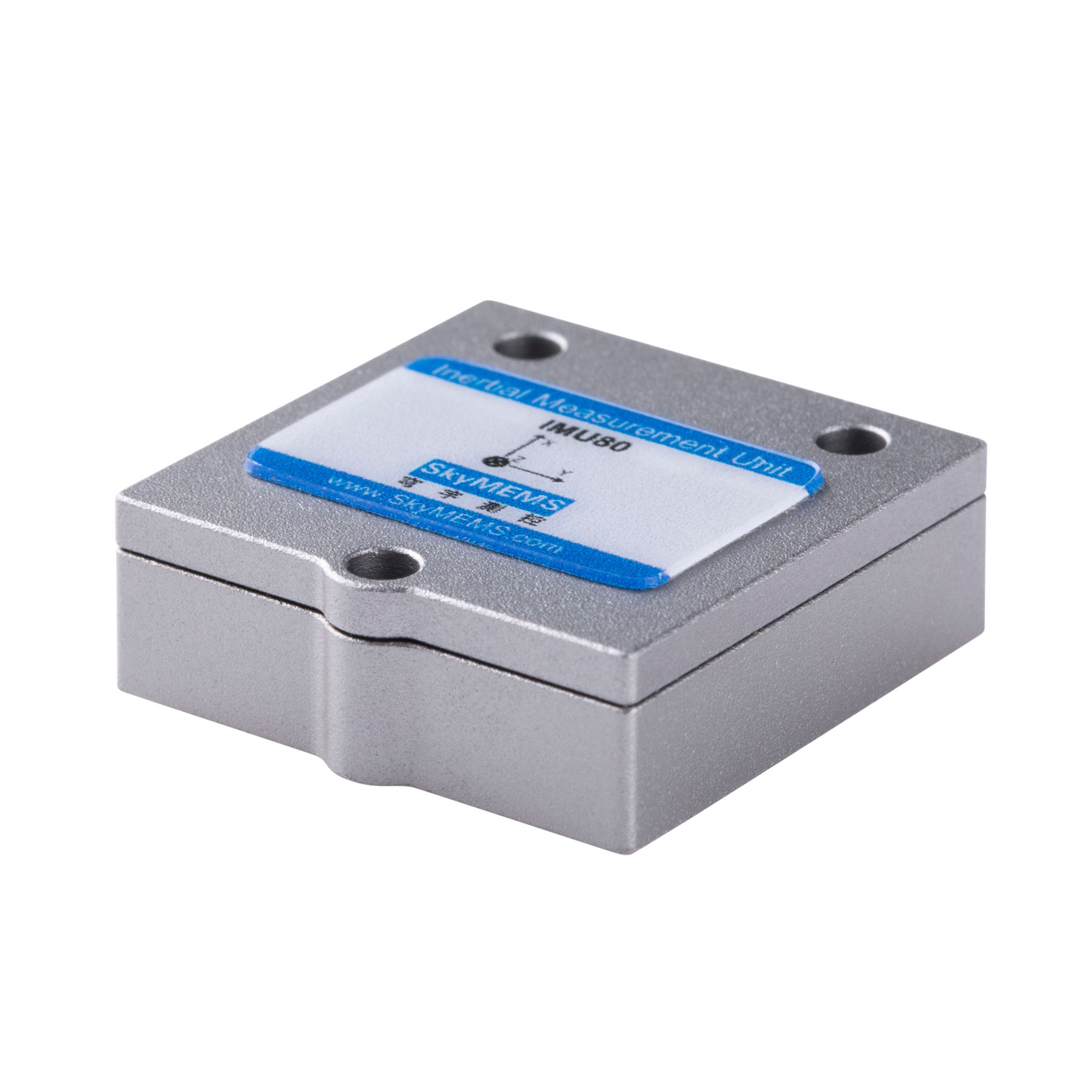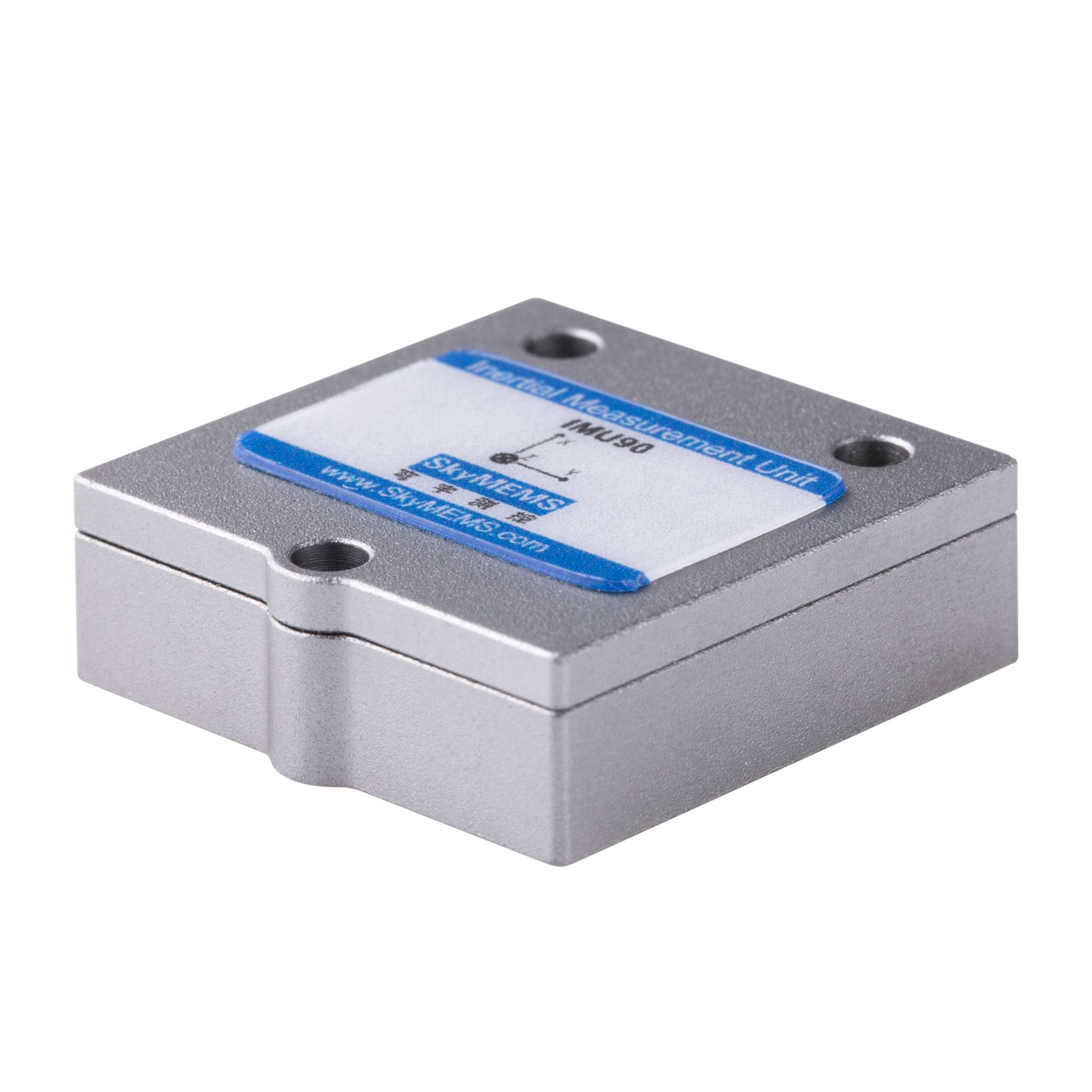


Both fiber optic gyros (FOG) and MEMS gyros are used in inertial navigation and motion sensing, but they perform differently and have different end uses. As has been demonstrated through studies of inertial navigation, a fiber optic gyro is significantly more precise, has lower drift, and can be more stable over long durations for aerospace, defense, marine navigation, and self-guided vehicles, whereas a MEMS gyro is smaller, lighter, cost, consume less power, and easier mass production for consumer electronics, robotics, drones, cars, and industrial sensor applications. In recent years, MEMS gyros have improved considerably over the low-end FOG, but for most uses, high-end navigation accuracy, optical gyros have been shown to still be preferred.
Introduction: Why the Fiber Optic Gyro vs MEMS Gyro Debate Matters
Aspects of navigation, motion sensing, autonomous control, robotics, and space technology are affected by gyros. From commercial aircraft and autonomous drones to smartphones, missiles, underwater vehicles, satellites, industrial robots, and self-driving cars, gyroscopes play a central role in modern orientation and navigation systems.
As industries demand:
- Improved navigation accuracy.
- Higher stability in the network.
- In comparison, a sensor with a smaller size will be more sensitive.
- Lower power consumption. Thanks for the information.
- Reduced manufacturing costs for us.
- GPS-independent navigation.
Engineers and procurement teams often have to make one of the most important decisions in inertial sensing:
‘Which is better: a fibre optic gyro or a MEMS gyro?’
There is no universal answer because both technologies are optimised for different operational priorities.
A fibre optic gyro excels in:
- Precision navigation
- Long-term stability
- Low drift performance
- Operation in harsh environments
- Electromagnetic immunity
Meanwhile, a MEMS gyro dominates applications requiring:
- Miniaturisation
- Low power consumption
- Mass-market affordability
- High-volume manufacturing
- Compact embedded systems
Over the past decade, the competition between optical and MEMS gyros has intensified dramatically due to advances in:
- Semiconductor fabrication
- Sensor fusion algorithms
- Temperature compensation
- AI-assisted calibration
- Signal processing technologies
As a result, modern high-end MEMS gyros can now rival lower-tier fibre optic gyros in certain industrial applications, making sensor selection more challenging than ever.
This article provides a comprehensive technical and commercial comparison of:
- Fiber optic gyro technology
- MEMS gyro technology
- Working principles
- Performance metrics
- Application suitability
- Cost-performance trade-offs
- Future industry trends
It also helps engineers, OEMs, integrators, and procurement teams determine which technology is truly better for their specific project requirements.
What Is a Fiber Optic Gyro?
A fiber optic gyro is an optical inertial sensor that measures angular rotation by measuring the Sagnac effect, a physical property involving phase differences between the different counter-propagating light beams.
And unlike traditional spinning mechanical gyros, a fiber optic gyro includes:
- No moving mechanical parts.
- No gimbals.
- No spinning masses.
The sensor instead uses:
- The use of optical fiber coils for optical communications enables the use of a range of nonlinear optical fibers in applications ranging from sensor networks to medical devices.
- Laser and superluminescent light sources are ideal for producing highly polarized photons.
- Optical interferometry is an optical means of studying and analyzing a range of physical structures.
- Signal processing electronics.
FOGs became commercially significant because they combined:
- High precision and low noise. The only rewriting aid for text writing.
- It is a machine of mechanical simplicity.
- Strong environmental resilience.
- Eventually, this was the replacement of most mechanical gyro systems in modern platforms of navigation.
How Do Fiber Optic Gyros Work?
The fiber optic gyro operates on the following principles:
In a FOG system:
- A light source emits a beam of light.
- The light arc of the object splits into two light paths.
- Both laser light beams travel in opposite directions through a long twisted optical fiber.
- Plus, when the sensor rotates, the effective path lengths differ slightly.
- The phase difference between the return beams is measured.
- The phase shift is proportional to angular velocity.
- And the longer the optical fiber is wound, the more sensitive it is.
This measurement through light allows:
- Extremely low drift!
- High sensitivity. You are writing assistance.
- Excellent angular resolution.
Why fiber optic gyros are so important in:
- AwriAltimate computing and navigating a helicopter.
- Missile guidance is a system for controlling missiles.
- Submarine navigation is the mainstay of marine navigation.
- Spacecraft orientation systems are used to guide the craft.
What Is a MEMS Gyro?
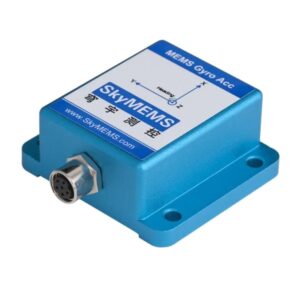
A MEMS gyro is a microelectromechanical gyroscope that is made using similar manufacturing techniques to integrated circuits (ICs) such as semiconductors.
MEMS stands for Micro-Electro-Mechanical Systems
A MEMS gyro consists of tiny vibrating structures etched on silicon chips.
These sensors are extraordinarily compact and are now integrated into:
- Smartphones are the future of mobile payments.
- Drones are in a new chapter.
- Smartphones are an integral part of your life.
- VR systems are a game changer!
- Automotive electronics. You are writing an article on one of the topics we write about on our site.
- Sensors for industries are now available on E-commerce.
The success of MEMS technology comes largely from:
- Extremely low manufacturing cost.
- Scalability to mass production.
- Great for small hands.
- Lower power requirements.
Modern MEMS gyros revolutionized consumer electronics by making motion sensing cheap and small.
How do MEMS Gyros Work?
MEMS gyros work via:
Inside the MEMS structure:
- Tiny silicon masses vibrate at controlled frequencies.
- When rotation occurs, Coriolis forces alter the vibration path.
- Capacitive or piezoelectric sensors detect the displacement.
- Electronics convert the motion into angular velocity measurements.
- The entire sensor could only measure a few millimeters.
Because MEMS gyros are chip-based, they interface easily with:
- Accelerometers
- Magnetometers
- GPS modules
- AI processors
Integration is now used in all industries.
Fiber Optic Gyro vs MEMS Gyro: Core Differences
Although both technologies measure angular velocity, their engineering priorities differ fundamentally.
Main Comparison Table
| Feature | Fiber Optic Gyro | MEMS Gyro |
| Working Principle | Sagnac effect | Coriolis effect |
| Core Technology | Optical interferometry | Silicon microstructures |
| Moving Parts | None | Vibrating structures |
| Accuracy | Extremely high | Moderate to high |
| Drift | Very low | Higher |
| Size | Larger | Extremely compact |
| Power Consumption | Higher | Very low |
| Cost | Expensive | Low cost |
| EMI Immunity | Excellent | Moderate |
| Mass Production | Limited | Excellent |
| Best Applications | Aerospace, defense | Consumer electronics |
This comparison immediately highlights why neither technology is universally superior.
Accuracy Comparison: Which Technology Performs Better?
In terms of raw navigation accuracy:
Fiber optic gyro technology is superior.
FOGs typically provide the following:
- Lower bias instability;
- Lower angular random walk;
- Better long-term stability;
- Reduced cumulative drift.
Navigation-grade FOGs can achieve bias stability below:
This performance level is critical for:
- Military navigation
- Submarine guidance
- Strategic inertial systems
- GPS-denied environments
By comparison, most commercial MEMS gyros exhibit substantially higher drift rates, although premium tactical-grade MEMS systems are improving rapidly.
Drift and Stability Analysis
Drift is one of the most important metrics for assessing the performance of a gyroscope.
Why drift matters
Gyroscopes continuously integrate angular motion over time.
Small sensor errors gradually accumulate, eventually resulting in significant navigation inaccuracies.
Fibre optic gyro advantages:
- Minimal drift accumulation
- Better thermal stability
- Strong long-duration accuracy
MEMS Gyro Challenges:
- Temperature sensitivity
- Vibration sensitivity
- Calibration dependency
- Bias instability
MEMS systems therefore rely heavily on:
- Sensor fusion
- Software compensation
- GPS correction
- AI-based calibration
These are used to reduce accumulated errors.
Size and Miniaturization
MEMS gyroscopes lead the way in miniaturisation.
Modern MEMS sensors can be used in:
- Smartphones
- Tiny drones
- Wearable devices
- Game controllers
- IoT systems
FOGs require:
- Optical fibre coils
- Laser systems
- Optical components
This makes them physically larger and harder to miniaturise.
For compact embedded systems, MEMS gyroscopes are generally preferable.
Power Consumption Comparison
Power efficiency is another key difference.
MEMS Gyro advantages:
- Extremely low power draw
- Ideal for battery-powered systems
- Excellent for mobile electronics
FOGs consume more power because they require:
- Optical sources
- Signal amplification
- Long optical path systems
This higher energy requirement limits the adoption of FOGs in small, portable devices.
Cost Comparison
Cost remains one of the biggest reasons MEMS gyros dominate commercial markets.
Cost Comparison Table
| Factor | Fiber Optic Gyro | MEMS Gyro |
| Manufacturing Complexity | High | Low |
| Production Scalability | Limited | Excellent |
| Unit Cost | High | Very low |
| Calibration Cost | Moderate | Low |
| Consumer Market Suitability | Limited | Excellent |
MEMS gyros benefit enormously from semiconductor manufacturing economies of scale.
FOGs remain significantly more expensive due to:
- Optical components
- Precision assembly
- Specialized calibration
Environmental Resistance
Fibre optic gyros perform exceptionally well in harsh environments.
Strengths of fibre optic gyros:
- Immune to electromagnetic interference
- Excellent high-vibration performance
- Stable under temperature variation
- No mechanical wear
MEMS gyros are more sensitive to:
- Mechanical shock
- Temperature fluctuations
- Vibrational noise
However, modern compensation algorithms are continually improving robustness.
Aerospace and Defense Applications
The aerospace and defence industries still heavily favour fibre optic gyros for the following applications:
- Aircraft navigation
- Missile guidance
- Naval navigation
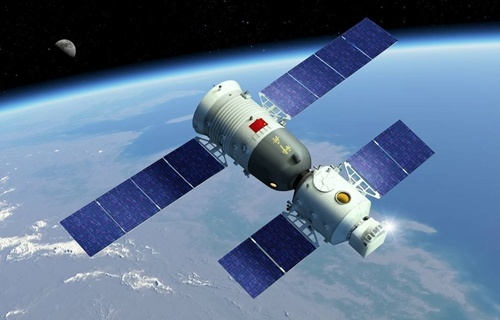
- Satellite attitude control
- Strategic inertial systems
These environments require:
- Ultra-low drift
- Long-duration stability
- High precision without GPS
FOGs remain one of the gold standards for these applications.
MEMS Gyro Applications
MEMS gyroscopes dominate high-volume markets due to their affordability and compact size.
Common MEMS applications include:
- Smartphones
- Consumer drones
- Automotive stability systems
- VR/AR devices
- Robotics
- Wearables
- Gaming controllers
The rise of autonomous systems has further accelerated the adoption of MEMS.
Fiber Optic Gyro Applications
FOGs are preferred when precision is more important than cost and size.
Common FOG applications include:
- Military navigation
- Marine INS systems
- Spacecraft
- Submarines
- Surveying systems
- Precision industrial stabilisation
These applications prioritise reliability and long-term accuracy above all else.
Tactical-Grade MEMS: Closing the Gap
Recent advances in MEMS technology have dramatically improved the following:
- Bias stability
- Noise reduction
- Temperature compensation
- Dynamic range
Some high-end MEMS gyroscopes now approach the performance of lower-tier FOGs.
Research published between 2023 and 2025 indicates that laboratory MEMS prototypes have achieved bias instability below 0.1°/h.
0.1°/h, although maintaining this performance across real-world operating conditions remains challenging.
Sensor Fusion and AI Compensation
Modern inertial systems increasingly use the following:
- AI-assisted calibration;
- Kalman filtering;
- GPS fusion;
- Machine learning compensation.
These are used to improve MEMS gyro performance.
Advanced software now compensates for the following:
- Temperature drift
- Bias instability
- Vibration noise
- Dynamic errors
This software-driven improvement is one reason why MEMS systems are continuing to gain market share.
Fiber Optic Gyro vs MEMS Gyro for Drones
The selection of a drone depends heavily on the requirements of the mission.
Consumer drones:
MEMS gyros dominate due to cost and weight advantages.
Military or long-endurance UAVs:
FOG systems are often preferred for precision navigation.
High-end autonomous drones increasingly combine:
- MEMS IMUs
- GPS
- Optical navigation
- AI stabilisation
Marine and Underwater Navigation
Marine and underwater systems rely heavily on fibre optic gyroscopes because GPS signals are unreliable underwater.
FOGs provide:
- Long-term inertial accuracy;
- Excellent drift performance;
- Environmental resilience.
Submarine navigation systems commonly rely on optical gyro technologies.
Automotive Industry Trends
The automotive sector primarily uses MEMS gyroscopes because vehicles require:
- Affordable mass production
- Compact integration
- Low-power electronics
MEMS gyros support:
- Electronic stability control
- Autonomous driving systems
- Navigation systems
- Roll detection
Industrial Robotics and Automation
Both technologies are now used in advanced robotics.
MEMS gyro advantages:
- Compact robot integration
- Cost efficiency
- High-volume deployment
FOG advantages:
- Precision industrial stabilisation
- Long-term autonomous navigation
- High-end robotics platforms
The selection depends heavily on the required positioning precision.
Fiber Optic Gyro vs MEMS Gyro: Future Industry Trends
Several major trends are reshaping the market:
- AI-assisted sensor correction
- Hybrid inertial systems
- Advanced MEMS resonators
- Photonic integration
- Quantum sensing research
Many analysts believe that:
- MEMS will dominate mass-market applications;
- -FOGs will remain critical for high-precision navigation;
- Hybrid architectures combining both technologies may become increasingly common.
The Role of Suppliers Like SkyMEMS
As the inertial sensing market continues to evolve, specialised suppliers such as SkyMEMS are playing an important role in providing:
- MEMS gyro solutions
- Fibre optic gyro systems
- IMU integration
- Navigation sensor customisation
- Industrial inertial solutions
Modern suppliers increasingly focus on balancing:
Accuracy, miniaturisation, reliability and cost optimisation for rapidly expanding autonomous and intelligent system markets.
FAQ: Fiber Optic Gyro vs MEMS Gyro
Which is more accurate: fiber optic gyro or MEMS gyro?
Fiber optic gyros are generally much more accurate and stable than MEMS gyros, especially in long-duration navigation systems.
Why are MEMS gyros so popular?
MEMS gyros are compact, low-cost, low-power, and easy to mass produce, making them ideal for consumer electronics and automotive systems.
Are MEMS gyros replacing fiber optic gyros?
MEMS gyros are replacing some lower-end FOG applications, but high-precision aerospace and military systems still heavily rely on fiber optic gyros.
What are the disadvantages of fiber optic gyros?
FOGs are larger, more expensive, and consume more power than MEMS gyros.
What are the disadvantages of MEMS gyros?
MEMS gyros typically have higher drift, lower stability, and greater sensitivity to vibration and temperature changes.
Which gyro is better for drones?
Consumer drones usually use MEMS gyros, while high-end military or long-endurance UAVs may use fiber optic gyro systems.
Can MEMS gyros achieve navigation-grade accuracy?
Some advanced MEMS gyros are approaching tactical-grade performance, but true navigation-grade precision still generally favors optical gyro technologies.
Conclusion
“Which is better, fiber optic gyro or MEMS gyro?” Of course, it depends on the use situation. No one type of gyroscope is better than the other.
A fiber optic gyro is typically the better choice when applications demand:
Ultra-high accuracy, low drift, long-term stability, GPS-independent navigation, and harsh environment reliability.
This is why FOG systems remain dominant in:
- Aerospace Defense Marine navigation Strategic inertial systems You are a rewriting assistant.
- Meanwhile, a MEMS gyro is generally the better choice for applications requiring:
- Low cost, Low power consumption Mass production Scalability Small embedded integration. Typical applications include: Wireless charging, WiFi access point, USB connectivity, and IoT device.
This explains why MEMS technology dominates:
Smartphones, Mobile phones, UAVs, Robotics, IoT devices, Consumer electronics, Consumer drones, Consumer electronics, Automotive electronics
As MEMS technology improves through AI calibration, advanced fabrication, and signal compensation, the performance gap between tactical-grade MEMS and lower-end fiber optic gyros is gradually closing. Nevertheless, fiber optic gyros will likely be the preferred solution for mission-critical navigation where precision and stability are not in question.