

Abstract
A precision inclinometer is a sensor used to make highly accurate angle measurements. It is used to determine tilt, slope, and angular displacement relative to gravity and is widely used in industrial automation, geotechnical monitoring, robotics, and aerospace systems.
According to the IEEE Sensors Journal (2024), the MDPI Sensors review on MEMS inclination systems (2025), and the ISA industrial metrology standards, modern MEMS-based precision inclinometer sensors can achieve a resolution of less than 0.01° and improved long-term stability through advanced temperature compensation and digital calibration algorithms.
Introduction: Why Precision Inclinometers Matter in 2026 Industrial Systems
The rapid growth in automation, smart infrastructure, and autonomous systems has made angle measurement one of the most important sensing functions in modern engineering. Of all the tilt measurement devices, the precision inclinometer has become a fundamental component in systems that require high reliability, long-term stability, and micro-level angular accuracy.
Unlike basic tilt switches or low-cost accelerometer modules, precision inclinometers are designed for metrological-grade angular measurement and can often maintain accuracy in the presence of vibration, temperature drift, and long-term mechanical stress. This makes them indispensable in sectors where even a 0.1° deviation can result in structural imbalance, navigation errors, or robotic instability.
Today, precision inclinometers are widely used in:
- Construction machinery (e.g., cranes, excavators, and drilling rigs);
- Structural health monitoring (e.g., bridges, towers, and tunnels);
- Industrial automation systems;
- Robotic positioning systems;
- Renewable energy systems (e.g., solar tracking and wind turbines);
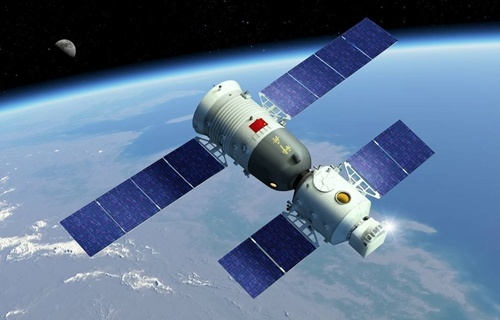
- Aerospace and UAV attitude monitoring;
- Marine and offshore platforms;
- Railway track alignment systems.
As systems become more autonomous and data-driven, inclinometer sensors are evolving from simple tilt detectors into intelligent measurement nodes integrated into IoT and AI-driven control systems.
What Is a Precision Inclinometer?
A precision inclinometer is a sensor designed to measure the angle of an object relative to gravity with extremely high accuracy. This is typically expressed in degrees (°), arcminutes, or milliradians.
At its core, it measures static or dynamic tilt across one or two axes.
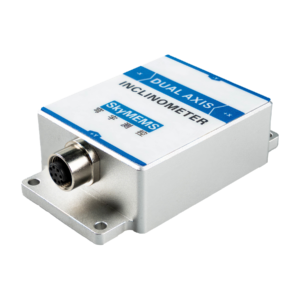
A single-axis inclinometer measures tilt in one plane, while a dual-axis inclinometer measures tilt across the X and Y axes.
Modern industrial-grade models often include digital compensation systems that correct for temperature drift, vibration interference, and long-term signal noise.
Working Principle of Precision Inclinometers
Most modern precision inclinometers are based on one of three core sensing technologies.
MEMS capacitive sensing
This is the most widely used technology in modern inclinometer design.
A MEMS inclinometer measures tilt by detecting changes in capacitance caused by a microstructured proof mass moving under the effect of gravity.
Key advantages:
- High stability
- Low power consumption
- Compact size
- Cost efficiency
- Good integration with digital systems
Electrolytic inclinometers
These use the movement of conductive fluid inside a sealed chamber to measure tilt based on resistance changes.
They are known for:
- High resolution
- Excellent long-term stability
- Industrial-grade accuracy
However, they are less common in modern embedded systems due to their size and environmental limitations.
Servo-balanced inclinometers
These are high-end precision instruments used in aerospace and metrology.
They operate by maintaining a proof mass in a null position using feedback loops.
Advantages:
- Extremely high accuracy
- Minimal drift
- Suitable for laboratory-grade measurement
Key Performance Parameters of Precision Inclinometers
Understanding performance metrics is essential when selecting an inclinometer for industrial use.
Core Specifications Table
| Parameter | Typical Range | Importance |
| Accuracy | ±0.01° to ±0.1° | Defines measurement precision |
| Resolution | 0.001° or better | Detects small angular changes |
| Repeatability | High consistency | Ensures reliability over time |
| Temperature Drift | ±0.002°/°C | Stability under environmental change |
| Response Time | 10–100 ms | Real-time monitoring capability |
| Measurement Range | ±10° to ±180° | Application flexibility |
Why Precision Inclinometers Are Critical in Modern Engineering?
Precision inclinometers are no longer just optional extras; they are now essential components of modern infrastructure, ensuring both safety and performance.
- Structural safety monitoring
In civil engineering, tilt deviations in bridges, skyscrapers, and tunnels can indicate:
- Foundation instability
- Ground movement
- Material fatigue
- Structural deformation
Precision inclinometers provide continuous monitoring to enable early warning systems.
- Industrial automation
In automated machinery, angular precision directly affects:
- Positioning accuracy
- Mechanical alignment
- Load balancing
- Safety systems
- Renewable energy optimisation
Wind turbines and solar tracking systems rely heavily on inclinometer data to maximise energy efficiency.
MEMS Technology in Modern Precision Inclinometers
In the field of precision angle and tilt measurement, MEMS-based inclinometers have significantly advanced modern Microelectromechanical Systems (MEMS). By integrating micro-scale sensing structures with digital electronics, these devices offer high accuracy, a compact size, and intelligent signal processing capabilities.
Key transformations enabled by MEMS technology:
- Miniaturisation
What changed:
Mechanical sensing systems are replaced with microfabricated silicon structures.
Impact:
- Extremely compact inclinometer designs
- Easy integration into portable and embedded systems
- Lower-cost production
Why it matters:
MEMS devices are manufactured using semiconductor batch processes.
Result:
- High-volume production at a low unit cost
- Wider adoption across industrial and consumer applications
- Digital output integration
Modern capability:
Direct digital signal output instead of analogue-only signals
Benefits:
- Easier system integration
- Improved noise resistance
- Compatibility with modern control systems
- Multi-axis sensing
Function:
Measures tilt across multiple axes (X, Y, and Z, depending on the configuration).
Advantages:
- More complete spatial orientation data
- Essential for advanced motion control and stabilisation systems.
Environmental Challenges and Compensation Techniques
The performance of a precision inclinometer can be affected by environmental conditions, such as:
- Temperature variation;
- Mechanical vibration;
- Electromagnetic interference;
- Long-term material stress.
- Compensation methods
Manufacturers use several strategies:
- Temperature compensation algorithms: automatically correct measurement drift caused by thermal expansion.
- Multi-sensor fusion: combines accelerometer and gyroscope data to improve accuracy.
- Digital filtering: reduces noise caused by vibration and shock.
Industrial Applications of Precision Inclinometers
- Construction machinery
Excavators, cranes, and drilling rigs use inclinometer feedback for the following:
- Load safety
- Boom angle control
- Stability monitoring
- Robotics and automation
Robotic arms depend on angular precision for:
- Joint positioning;
- Path correction;
- Movement stability.
- Aerospace systems
Used in UAVs and aircraft systems for:
- Flight attitude monitoring
- Navigation stabilisation
- Payload alignment
- Geotechnical engineering
Used for:
- Landslide detection
- Dam monitoring
- Ground displacement tracking
Comparison of Inclinometer Types
| Type | Accuracy | Cost | Application |
| MEMS Inclinometer | Medium–High | Low | Industrial automation |
| Electrolytic | High | Medium | Civil engineering |
| Servo-Balanced | Very High | High | Aerospace & labs |
Integration with IoT and Smart Systems
In modern microelectromechanical systems, precision inclinometers are no longer standalone measurement devices. Instead, they are increasingly being embedded into IoT-enabled smart ecosystems, where sensor data is continuously collected, transmitted, and analysed to inform advanced decision-making processes.
Key IoT capabilities in modern inclinometers:
Wireless data transmission
What it enables:
Real-time tilt and angle data transfer without wired connections
Technologies used:
Wi-Fi, Bluetooth Low Energy (BLE), and industrial wireless protocols
Benefits:
- Easier deployment in remote or hard-to-access environments
- Reduced installation complexity
Cloud-based monitoring
How it works:
Sensor data is uploaded to cloud platforms for centralised access.
Advantages:
- Remote monitoring from anywhere
- Centralised data storage
- Historical trend analysis
Use case:
Structural health monitoring of buildings, bridges, and towers
- AI Predictive Maintenance
Core idea:
Using machine learning models to analyse patterns in inclinometer data
What it detects:
- Early signs of structural deformation
- Abnormal tilt behaviour
- Equipment instability trends
Impact:
- Prevents system failures before they occur
- Reduces maintenance costs and downtime
Remote Calibration
Feature:
Calibration adjustments are performed without the need for physical access to the device.
Benefits:
- Saves time and operational costs
- Ensures consistent accuracy in distributed sensor networks
Real-time analytics dashboards
Functionality:
- Live visualisation of inclinometer data
- Alerts and threshold-based notifications
Advantages:
- Instant decision support
- Improved operational awareness
- Faster response to anomalies
- System-level transformation
With IoT integration, inclinometer data evolves from simple measurement output into:
- Predictive intelligence inputs
- Continuous monitoring streams
- Decision-making signals for automation systems
Role of skymems in Precision Inclinometer Development
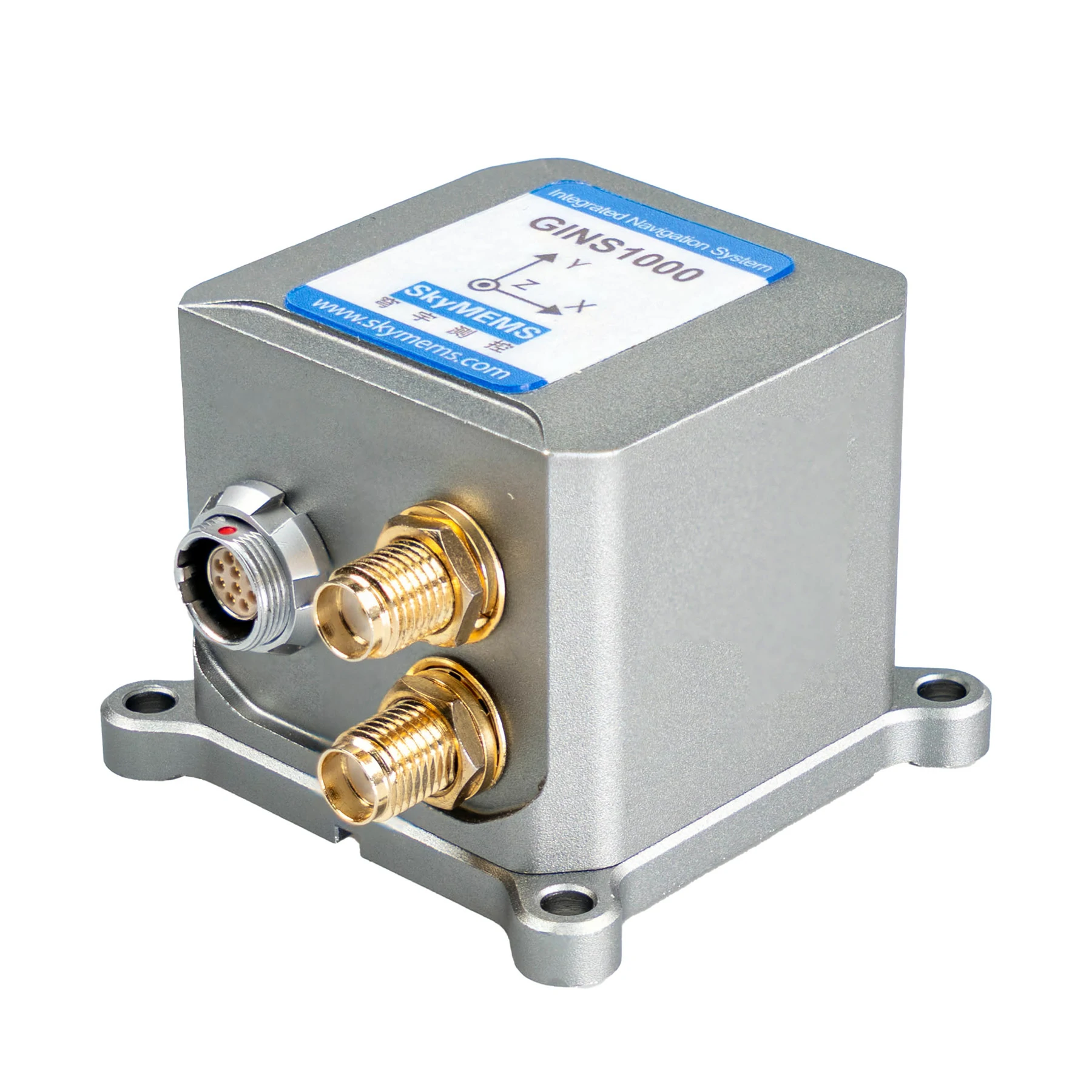
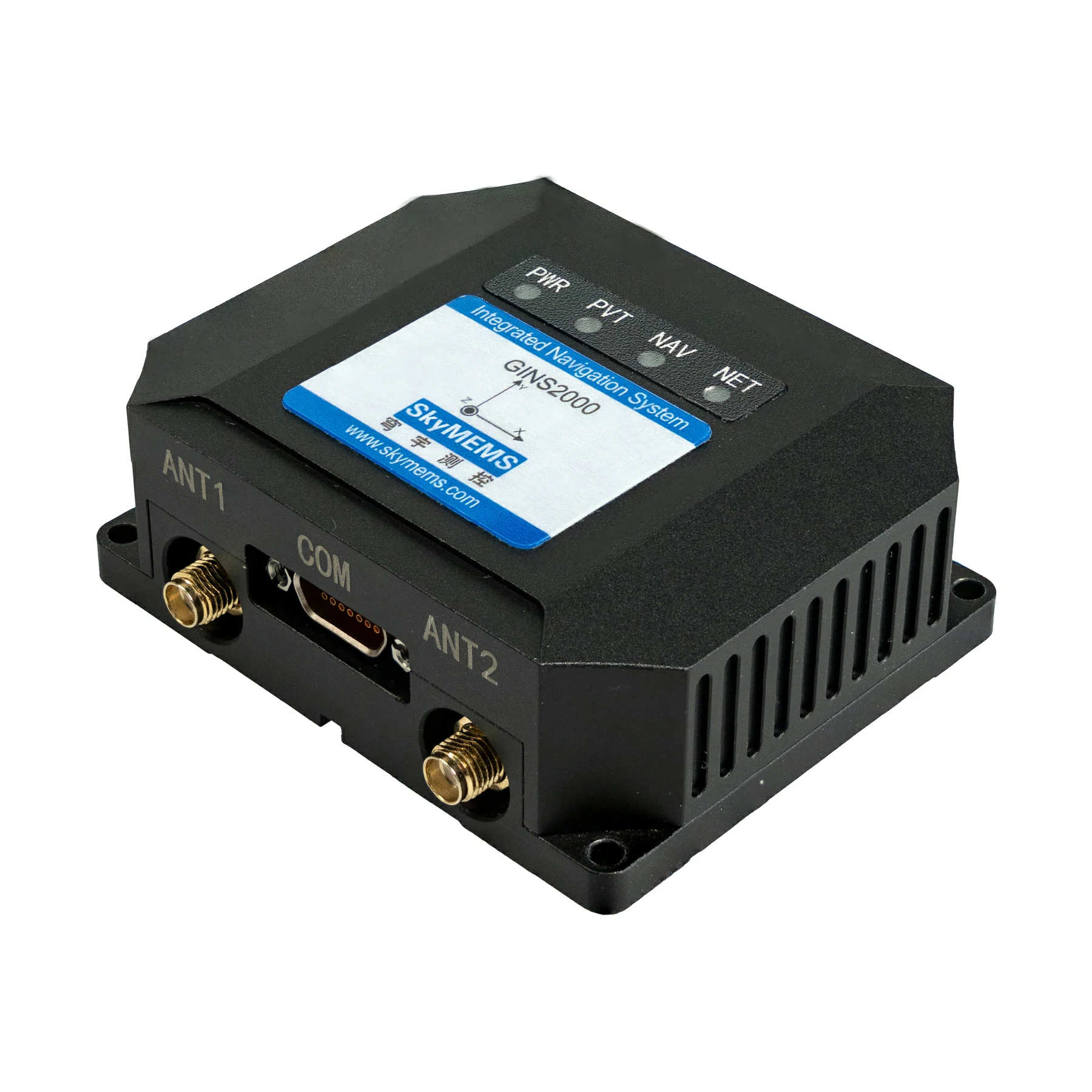
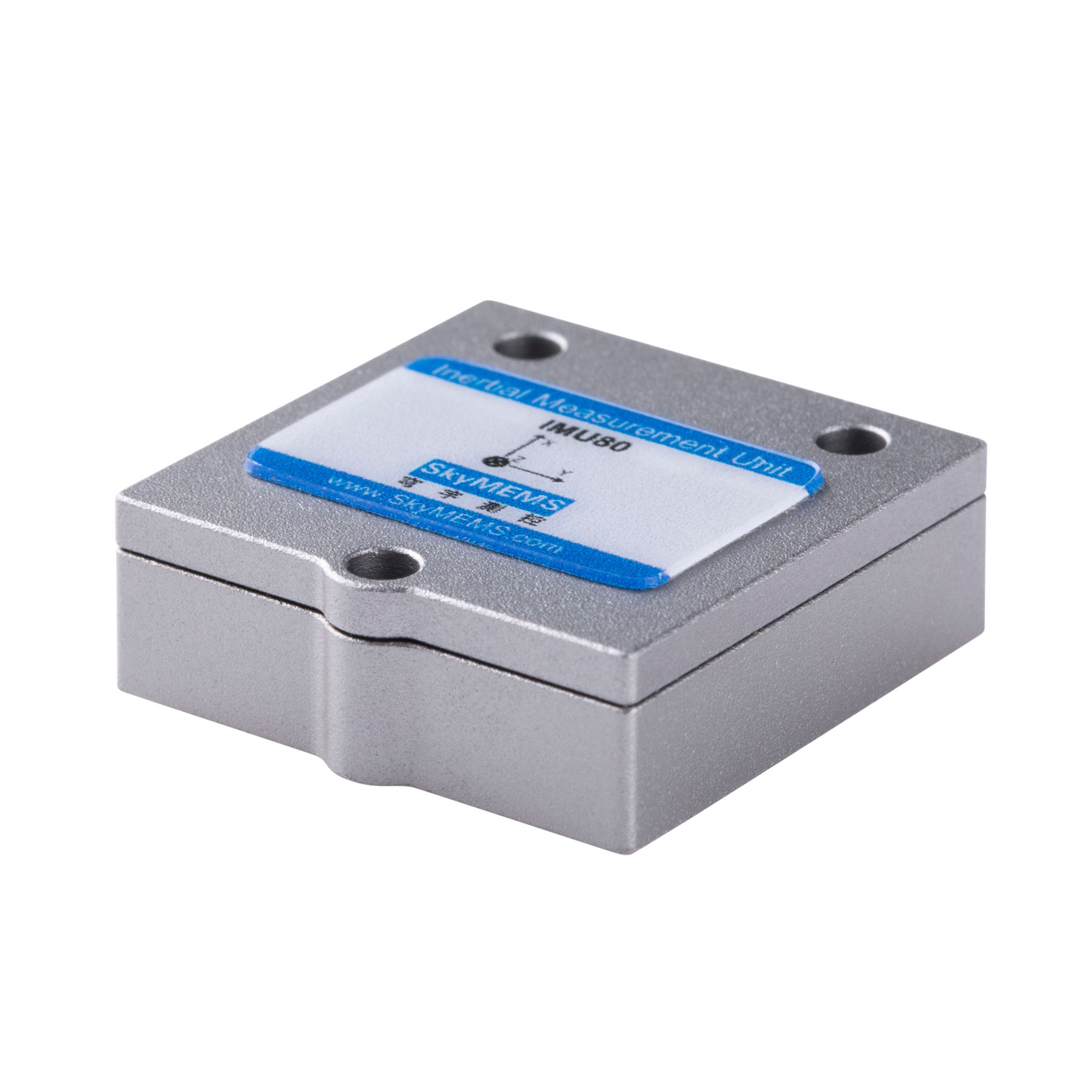
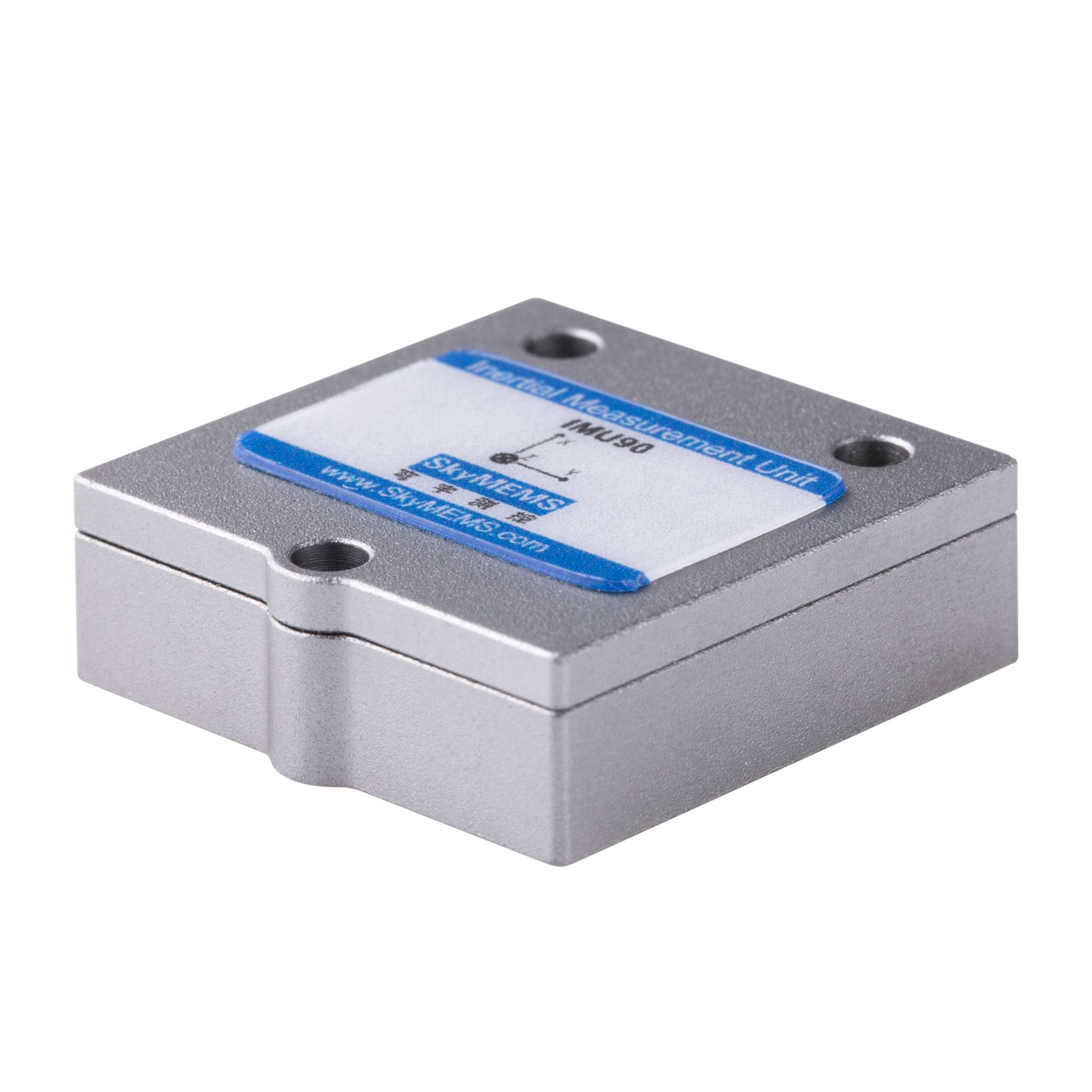
Manufacturers such as Skymems contribute to the development of industrial-grade inclinometer solutions by focusing on the following:
- High-stability MEMS sensor architecture;
- Industrial temperature compensation systems;
- OEM/ODM customisation for industrial applications;
- Enhanced vibration-resistant design;
- Long-term calibration stability.
According to industry sourcing patterns, suppliers like Skymems are increasingly involved in providing scalable inclinometer modules for automation, robotics, and infrastructure monitoring systems.
Installation Best Practices
In modern instrumentation engineering, the accuracy of precision inclinometers depends on more than just sensor quality; correct installation and environmental control are also crucial factors. Even high-end MEMS-based devices can produce unreliable data if they are not mounted correctly or are exposed to interference.
Key installation guidelines:
- Mount on a rigid, vibration-free surface.
Why it matters:
Mechanical vibrations introduce noise into tilt measurements.
Best practice:
- Use solid metal or reinforced structural mounting points.
- Avoid flexible or moving substrates.
Result:
Improved signal stability and measurement repeatability
- Align sensor axis with measurement direction
Why it matters:
Misalignment leads to systematic measurement errors.
Best practice:
- Carefully match the sensor’s reference axis with the expected motion or tilt direction.
- Use alignment tools or calibration fixtures if necessary.
Outcome:
Higher angular accuracy and reduced offset errors
- Avoid electromagnetic interference (EMI).
Sources of interference:
- High-voltage cables
- Motors and inverters
- Wireless transmitters
Impact:
Signal distortion in digital or analogue output
Best practice:
- Maintain a safe distance from EMI sources.
- Use shielded cables when required.
- Ensure thermal stability during operation
Why it matters:
Temperature changes can cause sensor drift, even in MEMS systems.
Best practice:
- Avoid direct sunlight or heat sources.
- Allow the device to reach a stable operating temperature before calibration.
Benefit: Improved long-term measurement consistency.
- Perform zero calibration after installation
Purpose: Establish a true reference baseline for measurements
Procedure:
- Install the sensor in a known level position.
- Execute the zeroing or auto-calibration function.
Result:
Eliminates installation-induced offsets and ensures accurate real-world readings.
Common Problems and Troubleshooting
In modern instrumentation engineering, precision inclinometers, especially MEMS-based systems, can experience several operational issues. It is essential to understand the root causes of these issues and apply targeted fixes to maintain measurement reliability and system stability.
- Signal drift
Problem: Gradual deviation in sensor readings over time
Causes:
- Temperature fluctuations
- Mechanical stress on the sensor housing
- Long-term MEMS bias instability
Solutions:
- Perform periodic recalibration
- Apply temperature compensation algorithms
- Ensure stable mounting conditions
Result:
Restored measurement accuracy and long-term stability
- Noise interference
Problem: Unstable or fluctuating output signals
Causes:
- Mechanical vibration from nearby equipment
- Electromagnetic interference (EMI) from motors, cables, or RF devices
Solutions:
- Use proper shielding and grounded cables
- Add digital filtering or signal smoothing
- Isolate the sensor from vibration sources
Result: Restored measurement accuracy and long-term stability
Use proper shielding and grounded cables.
Add digital filtering or signal smoothing.
Isolate the sensor from vibration sources.
Result:
Cleaner signal output and improved data reliability
- Offset error
Problem: Constant deviation from the true zero position
Causes:
- Incorrect installation alignment
- Improper initial calibration
Solutions:
- Re-align sensor mounting orientation
- Perform zero calibration after installation
- Verify installation surface rigidity
Result:
- Correct alignment
- Improved data reliability
Future Trends in Precision Inclinometers (2026 and Beyond)
The inclinometer industry is rapidly evolving towards intelligent sensing systems.
Future developments include:
- AI-enhanced calibration systems
- Self-healing sensor drift correction
- Ultra-low power MEMS architectures
- Fully wireless industrial sensing nodes
- Integration with digital twins
- Edge computing-enabled sensors
Precision inclinometers are transitioning from passive measurement tools to active, intelligent sensing systems.
FAQ: Precision Inclinometer Sensor
- What is a precision inclinometer used for?
It is used to measure tilt or angular displacement in industrial, construction, robotics, and aerospace applications.
- How accurate is a precision inclinometer?
Modern high-end models can achieve accuracy from ±0.01° to ±0.1° depending on design and calibration.
- What is the difference between an accelerometer and an inclinometer?
An accelerometer measures acceleration, while an inclinometer measures static tilt relative to gravity.
- Can inclinometer sensors work in harsh environments?
Yes, industrial-grade inclinometers are designed with temperature compensation and vibration resistance.
- Where are precision inclinometers commonly used?
They are used in cranes, robotics, bridges, wind turbines, UAVs, and geotechnical monitoring systems.
- What affects inclinometer accuracy?
Temperature drift, vibration, installation error, and electromagnetic interference can all affect accuracy.
Conclusion
The precision inclinometer has become a core sensing technology in modern industrial systems, enabling the accurate measurement of tilt across the robotics, infrastructure, aerospace, and automation industries. Thanks to MEMS advancements, digital compensation systems, and IoT integration, these sensors are evolving into intelligent measurement nodes that can support predictive analytics and real-time control systems.
As suppliers such as Skymems continue to innovate in sensor architecture and industrial customisation, precision inclinometers will play an increasingly critical role in developing smart infrastructure, autonomous machines, and next-generation industrial automation systems.
By 2026, precision inclinometers will be more than just measurement tools; they will be foundational components of intelligent engineering ecosystems.