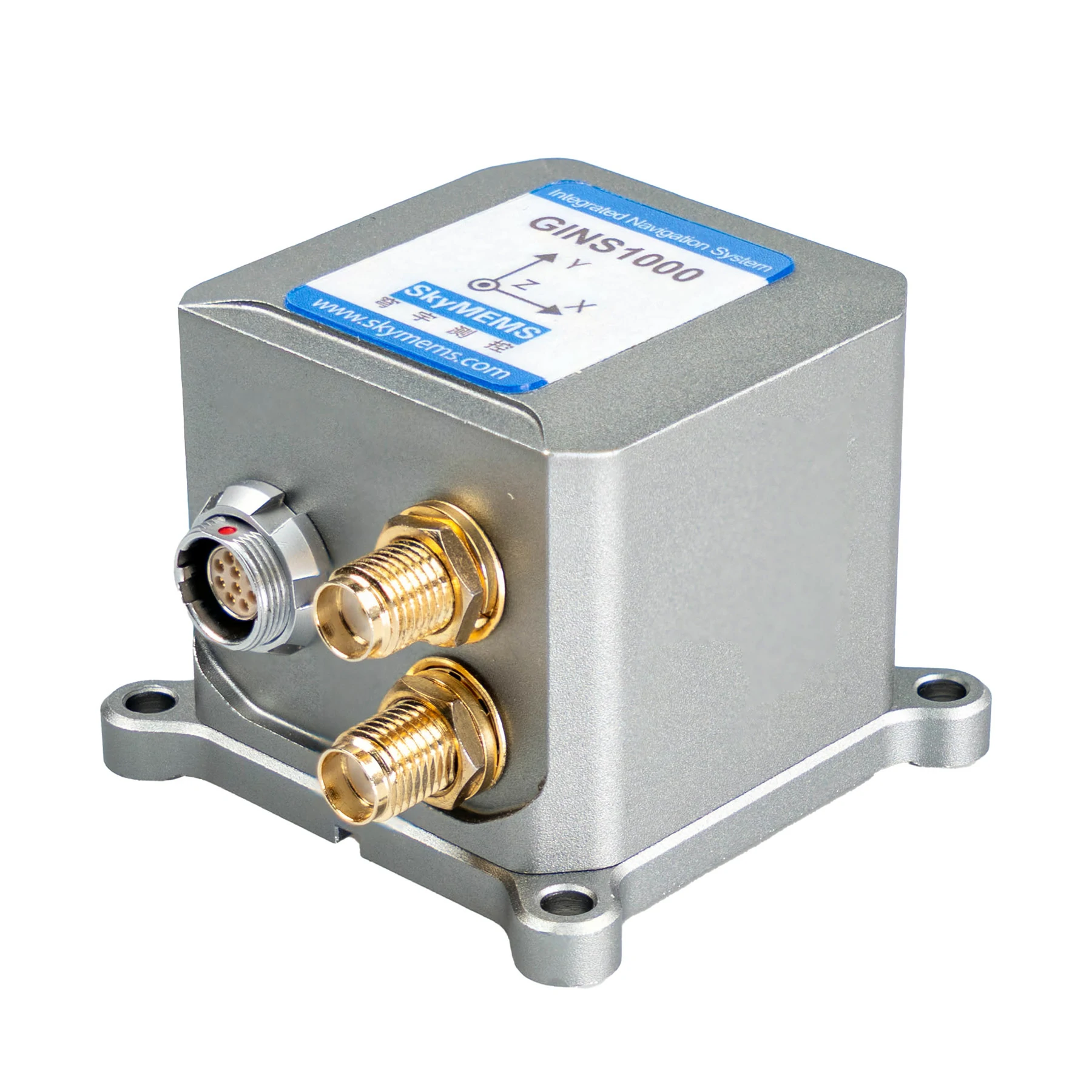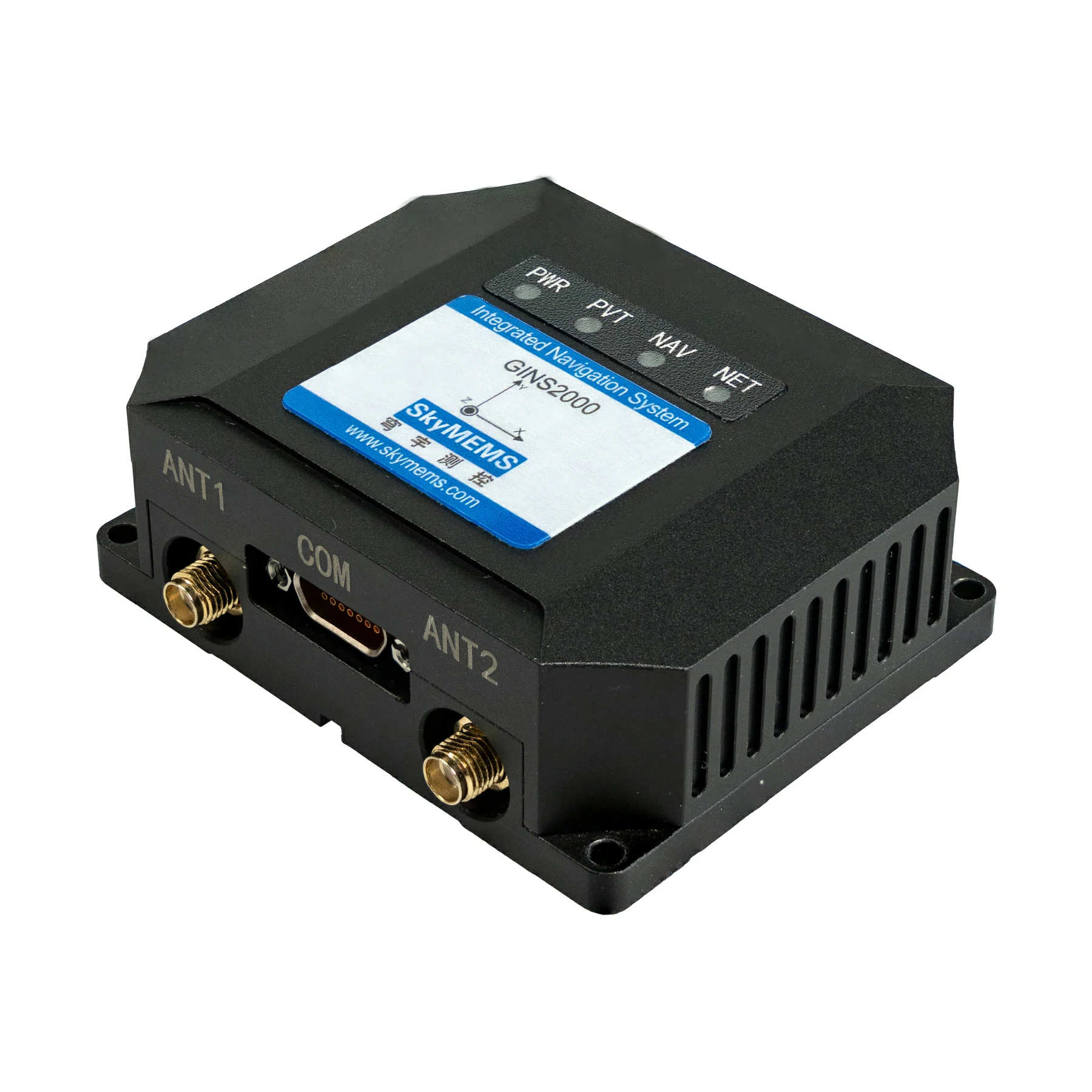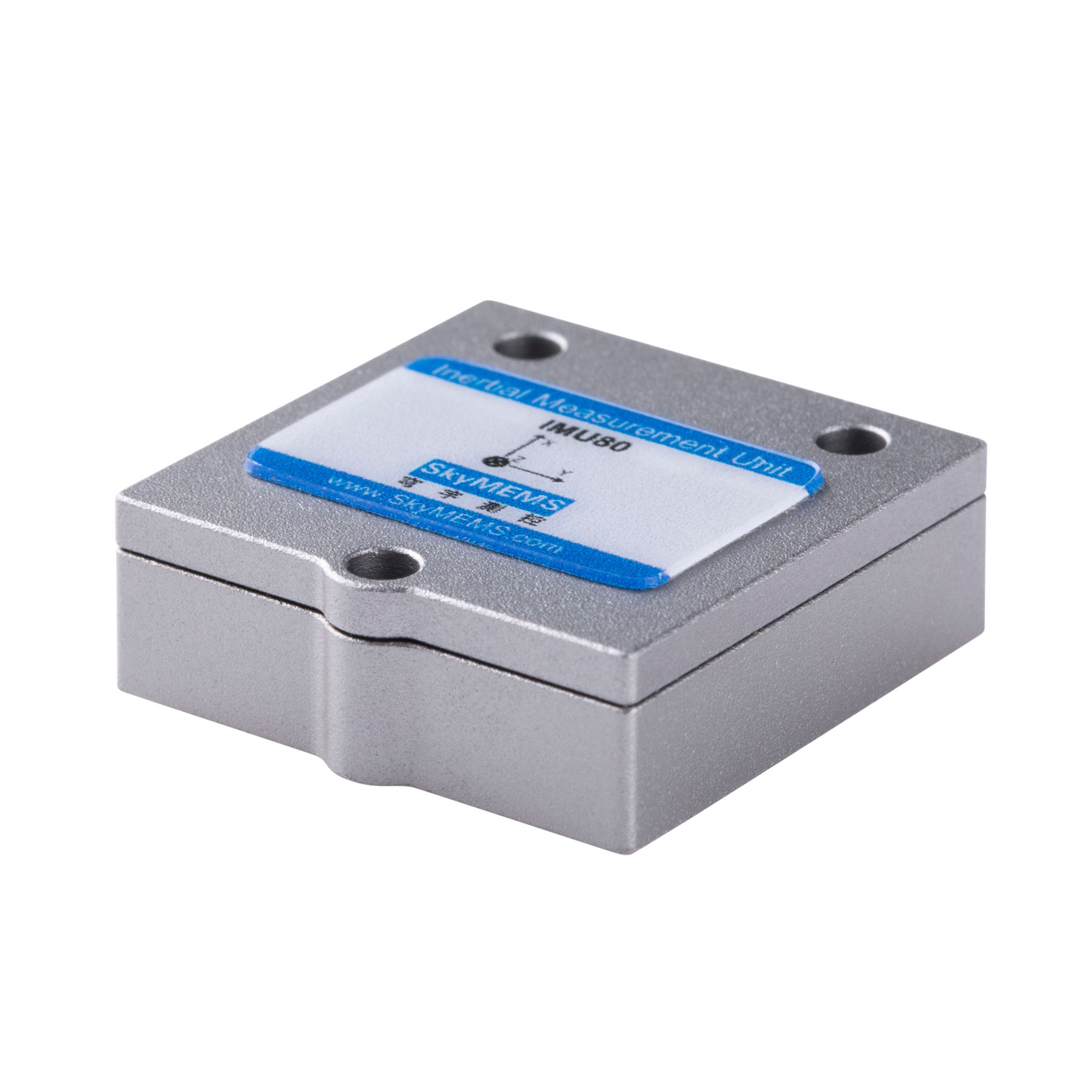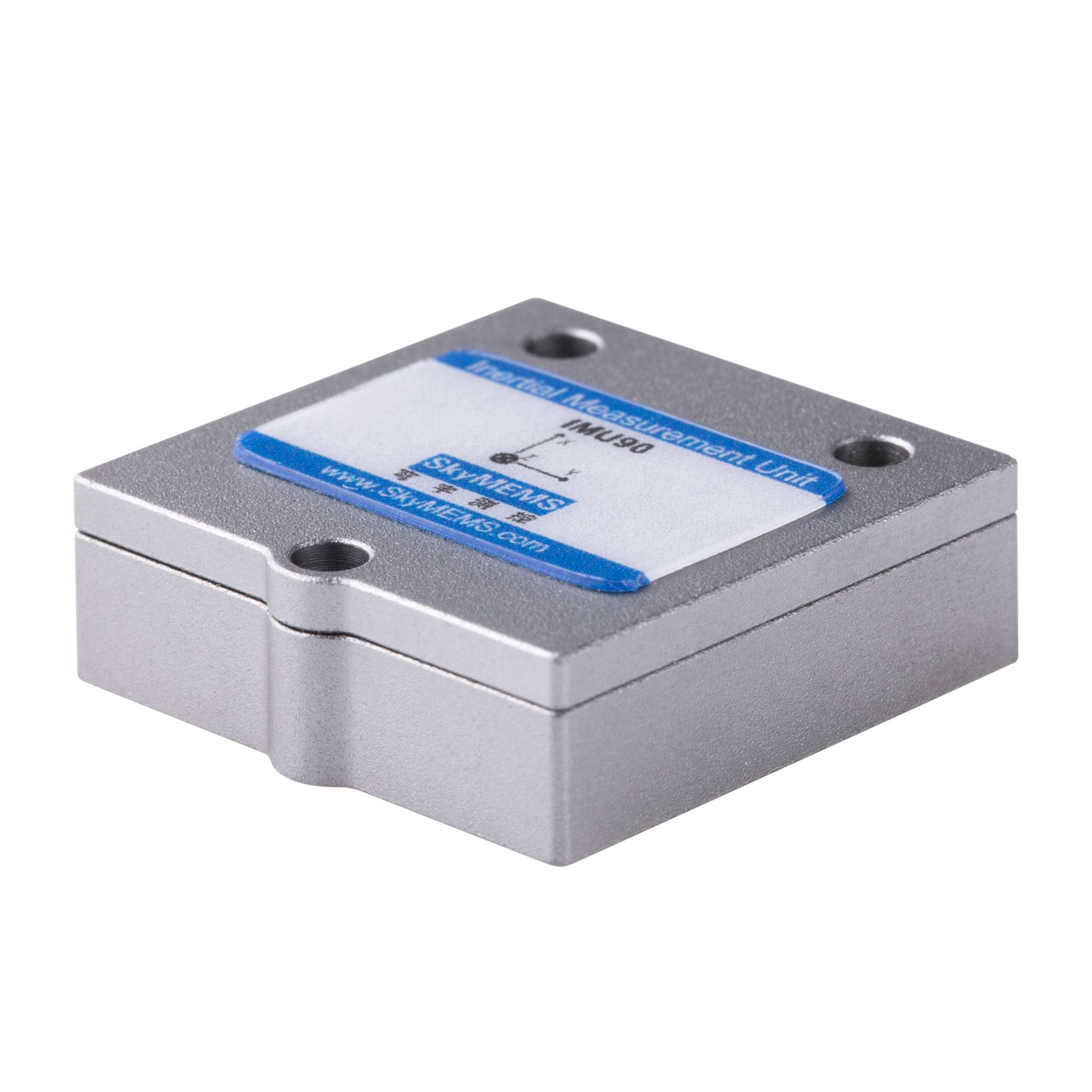



Inertial Measurement Units, or IMUs, are essentially the heart of all modern navigation and motion tracking devices. Used in smartphones to aerospace systems in drones and autonomous vehicles, IMUs calculate how fast something moves (linear acceleration), how it turns (angular rate), and where it’s heading, but not all IMUs are made for the same function with the same level of precision. The industry likes to think of them as belonging to four distinctly different grades — consumer, industrial, tactical, and navigation — that are best matched toward particular requirements involving performance, accuracy, and durability.
Engineers and manufacturers must know these grades, as it is for anyone trying to embed motion sensors in a product. The differences among the grades are not trivial matters of cost or dimension; rather, they speak to essential distinctions in terms of accuracy, noise, long-term stability, and performance under conditions of stress.
The Basic Working Principle of an IMU
An IMU is essentially a small sensing pack that measures linear acceleration, angular velocity, and in some versions even the magnetic field; however, practically speaking, an IMU contains three major parts: an accelerometer, a gyroscope, and sometimes a magnetometer. It is the accelerometer that measures velocity changes, and it is the gyroscope that records rotation rate. If equipped with a magnetometer, it can provide directional reference by detecting Earth’s magnetic field. With sensor fusion algorithms advancing greatly (usually by running variations of Kalman filters or complementary filters), this unit can provide orientation, position, and motion data even in the absence of GPS signals.
Contemporary IMUs are basically dependent on MEMS technology, which permits sensor elements to be created as part of silicon chips. Through MEMS fabrication, extremely small sensors with rather tremendous performance can be achieved at a relatively modest price. However, they are capable of anything from just simple direction finding in a cellphone to highly accurate navigation in an aircraft based on the way the IMU is designed and calibrated. This range of exactness and dependability brings us to the four principal IMU grades.
The Four Grades of IMU
Consumer Grade IMU
IMUs belong to the consumer grade and are naturally those most commonly found within daily devices. They prioritize being small, low energy, and inexpensive rather than being accurate at high extremes. It is these sensors that enable your phone screen to rotate with a tilt, your watch to count steps, and your VR headset to pick up head movement. Consumer IMUs, though small and cheap, are wonders of micro-engineering.
The common gyro bias stability of consumer IMUs is between 10 to 100 degrees per second, and accelerometer bias stability is about 1 to 10 milligrams. They were never designed to keep a steady pose for long periods; hence, they will begin to drift very fast when used without any external references, such as GPS. Large errors can be introduced by changes in temperature because most sensors function well only within a small temperature range, say, between 0°C and 70°C.
These units are best for those applications needing only short-term motion data, such as game controllers, virtual reality tracking, and user interfaces based on motion. They are small, low-powered, and cheap in terms of production cost at high volumes. But when talking about precision navigation or long-running systems without GPS correction, these consumer-grade IMUs are highly inadequate because of their drift and instability.
Industrial Grade IMU
Industrial-grade IMUs straddle consumer sensors and tactical ones, providing enhanced stability, improved calibration, and more robust performance for commercial systems. Applications include robotics, precision agriculture, marine instrumentation, and factory automation. Compared to consumer-grade IMUs, industrial models are subjected to a much more extensive regime of factory calibration steps to account for temperature variation, vibration, and long-term drift.
Gyro bias stability for IMUs is typically between 1 and 10 degrees per hour, with accelerometer bias stability ranging from 0.1 to 1 mg. They are characterized by low noise density, thus able to provide very smooth data output in any dynamic condition. The industrial IMUs can keep the orientation and rate information accurately for a longer period of time when used together with GPS or any other aiding sensors.
Industrial-grade IMUs are reliable. They can work at wider temperature ranges, most often from -40°C to +85°C, and offer stability in long-term operation. They also provide better protection against electromagnetic interference and mechanical vibration. These may cost hundreds or even a few thousand dollars, but this performance level compared to the price makes them perfectly suitable for most professional applications.
Though industrial IMUs do not need recalibration as often, systems dependent solely on inertial sensing will probably have to recalibrate more often. Drift does not take place; however, the error builds up at a slow pace adequate for operations such as UAV mapping, autonomous ground vehicle control, and camera stabilization systems.
Tactical Grade IMU
Tactical-grade IMUs would represent a significant jump in performance, designed for mission-critical applications where accuracy and reliability are required. These are typically applied within defensive systems, advanced robotics, and autonomous navigation applications in the absence of GPS.
Many tactical IMUs integrate higher-end sensor technologies like FOG or RLG. These are not like lower grades relying completely on MEMS technology. Fiber Optic Gyroscopes (FOG) or Ring Laser Gyroscopes (RLG) can offer extremely low noise and excellent stability, hence the IMU can keep position and attitude for a long time without any external help.
Gyro bias stability ranges between 0.1 and 10 degrees per hour, while accelerometer bias stability is anywhere between 50 and 1000 micro-g. Tactical IMUs fall within this definition of specs for performance. These sensors are built to an extreme degree of temperature performance, -55°C up to +95°C, heavy vibration, shock, and all resistance to environmental stress.
Accuracy is not a soft benefit. Rugged enclosures, vibration-isolated, and with internal thermal compensation. Some have onboard processing capability to run very advanced filtering and dead reckoning algorithms on board also. They become the heart of defense vehicles, UAVs, guided munitions, and GPS-denied deep-mine exploration equipment because they work where GPS does not.
Naturally, such performance comes at a price. Tactical-grade IMUs range from just a few thousand dollars to several tens of thousands of dollars, consuming more power than industrial sensors but reliable enough in challenging missions to justify the investment. This is where accuracy has to be trusted; wherein lies the difference between success and failure.
Navigation Grade IMU
Navigation IMUs stand at the top of that hierarchy as the best performing. It is these units that are used for aerial vehicles, underwater vessels, and missiles, plus spacecraft within GPS-denied environments. They achieve precision and stability through technologies including Hemispherical resonator gyroscopes (HRG), Ring Laser Gyro, besides other ultra-stable platforms, which practically take drift out of the picture.
Gyro bias stability< 0.01°/h and accelerometer bias stability < 10 micro-g are typical specs. They run at extreme temperatures and keep their exactness for many hours, even days, with no outside help. With such a level of exactness, a plane or sub can indeed go on moving by itself even when GPS signals are not in use or have been disturbed.
Navigation-grade IMUs have become so precise that the growth of their errors has been reduced to a minimum. They can maintain such stability in calculating orientation and position that they are actually referred to as strategic-grade sensors for defense and aerospace systems. However, there is a great trade-off involved. Navigation-grade IMUs are large and heavy and cost extremely high, in excess of $50,000 per unit.
They are applied in inertial navigation of aircraft, navigation of submarines, guidance of intercontinental missiles, and long-duration autonomous exploration vehicles. In such applications, any small measurement error can have major consequences; hence, it is justified to use expensive systems.
Comparing the Four IMU Grades
Consumer-grade IMUs can be described as accessible and compact, lacking in terms of long-term stability. Industrial-grade sensors add calibration and environmental robustness, which covers most commercial automation applications. Tactical IMUs begin to approach precision navigation with low drift and operation in harsh conditions. Navigation-grade IMUs are designed for aerospace and strategic defense applications where anything less than absolute reliability is unacceptable.
In simple terms:
-
Consumer-grade IMUs deliver basic motion sensing for everyday devices.
-
Industrial-grade IMUs balance cost and accuracy for robotics and automation.
-
Tactical-grade IMUs offer high-precision navigation in GPS-denied environments.
-
Navigation-grade IMUs provide near-perfect stability for aerospace and marine systems.
These four categories collectively form a performance ladder where each step upward brings tighter bias control, lower noise, improved temperature stability, and higher cost.
Selecting the Right IMU
Selection of the IMU should be based on a detailed assessment of the factors comprising how long the system has to maintain accurate output in the absence of GPS, what levels of vibration and dynamic motion are to be expected, and what environmental conditions-temperature and humidity-will prevail. A mapping drone operating with available GPS can use an industrial-grade IMU, while an autonomous underwater vehicle will need a tactical or navigation-grade sensor. A cellphone or VR headset works great with a consumer-grade IMU since it typically only requires short-term orientation tracking.
Other integration factors comprise the communication interface, calibration procedure, and data filtering requirements. IMUs do not work alone in high-performance systems; they are integrated with GNSS receivers, magnetometers, or vision systems to create a total navigation solution. The grade of IMU you choose will decide how frequently the system needs outside corrections to keep it running accurately.
The Future of IMU Technology
IMU technology is developing very fast. Already, the fine line of distinction between grades has started to disappear as precision levels are attained by advanced MEMS designs, which were previously the preserve of tactical systems. Upgrades in wafer-level manufacturing, vacuum packaging, and digital signal processing have significantly brought about improved bias stability as well as noise performance. Also, artificial intelligence contributes a hand with self-calibrating IMUs dynamically learning from their environment to minimize drift.
In the future, hybrid systems integrating MEMS sensors with quantum-based techniques for measuring inertia are likely to be seen. Quantum IMUs operate based on atom interferometry principles and are expected to achieve precision levels below a degree per hour-without any moving parts, so perhaps it is necessary to redefine the upper limit of navigation grade accuracy.
Also happening is the putting together of complete navigation in one chip. These will join IMU, GNSS, and visual odometry abilities, giving very steady navigation information even when inside a city or building. As tech improves, the old four-grade system might change into a flow of skill levels instead of clear groups.
IMU grading is in four levels: consumer, industrial, tactical, and navigation. This does not speak to mere market segmentation but rather articulates the evolutionary steps of motion sensing technology from a diminutive piece of silicon resident inside your handset up to the elaborate guidance apparatus onboard a spacecraft.
Motion awareness brought to daily electronics by consumer IMUs; the enablement of automation and robotics by industrial IMUs; precision delivered in defense and autonomous vehicles via tactical IMUs; and utmost accuracy ensured in aviation as well as marine applications through navigation IMUs. Within the broader ecosystem of navigation technology, each grade has its place.
As sensor design keeps getting better and costs go down, the gap between these grades will keep getting closer. What was once a defense-grade capability may soon be found in commercial drones or even consumer electronics. Knowing the four IMU grades gives engineers and decision makers a base to pick the right technology for their use by balancing precision, stability, and cost with confidence.