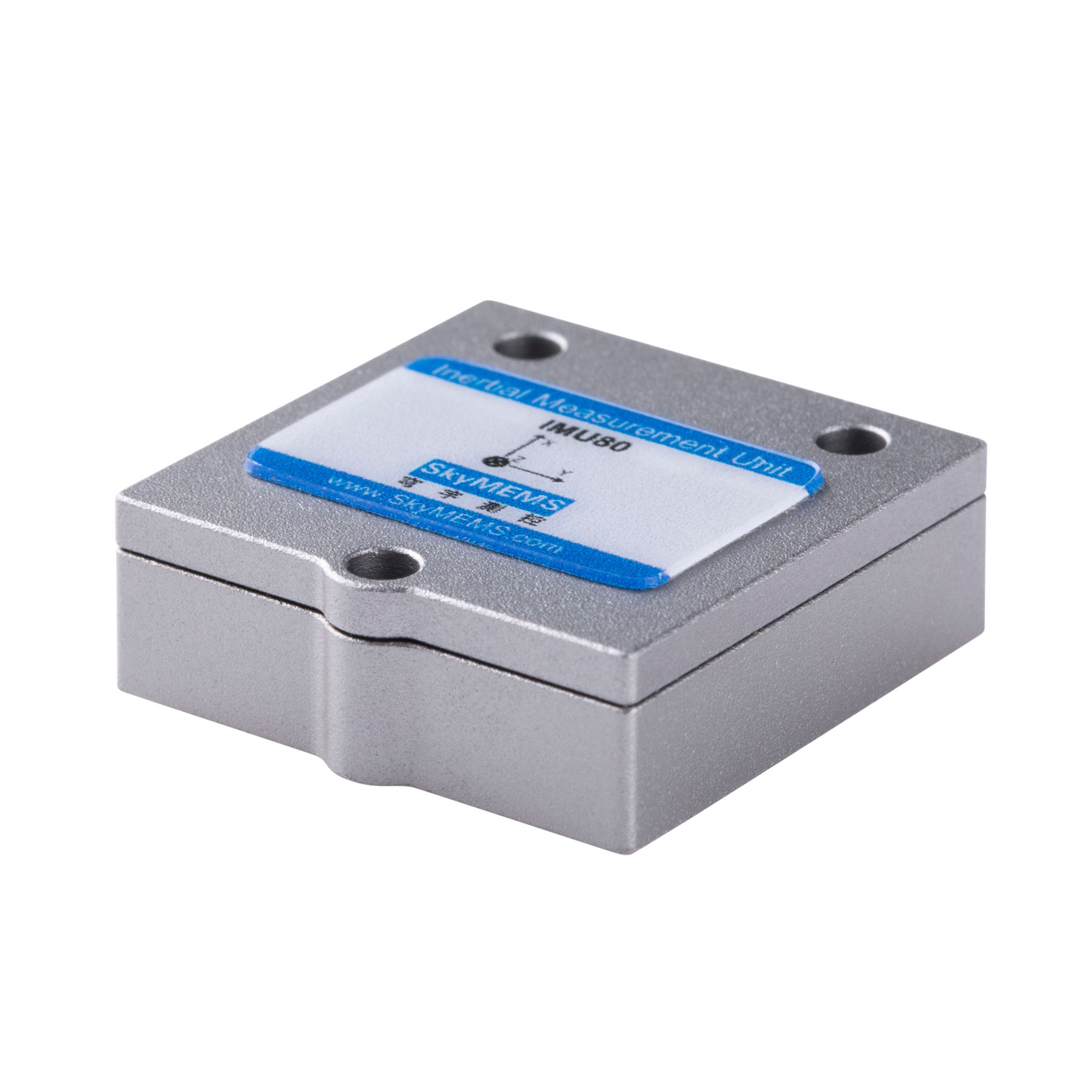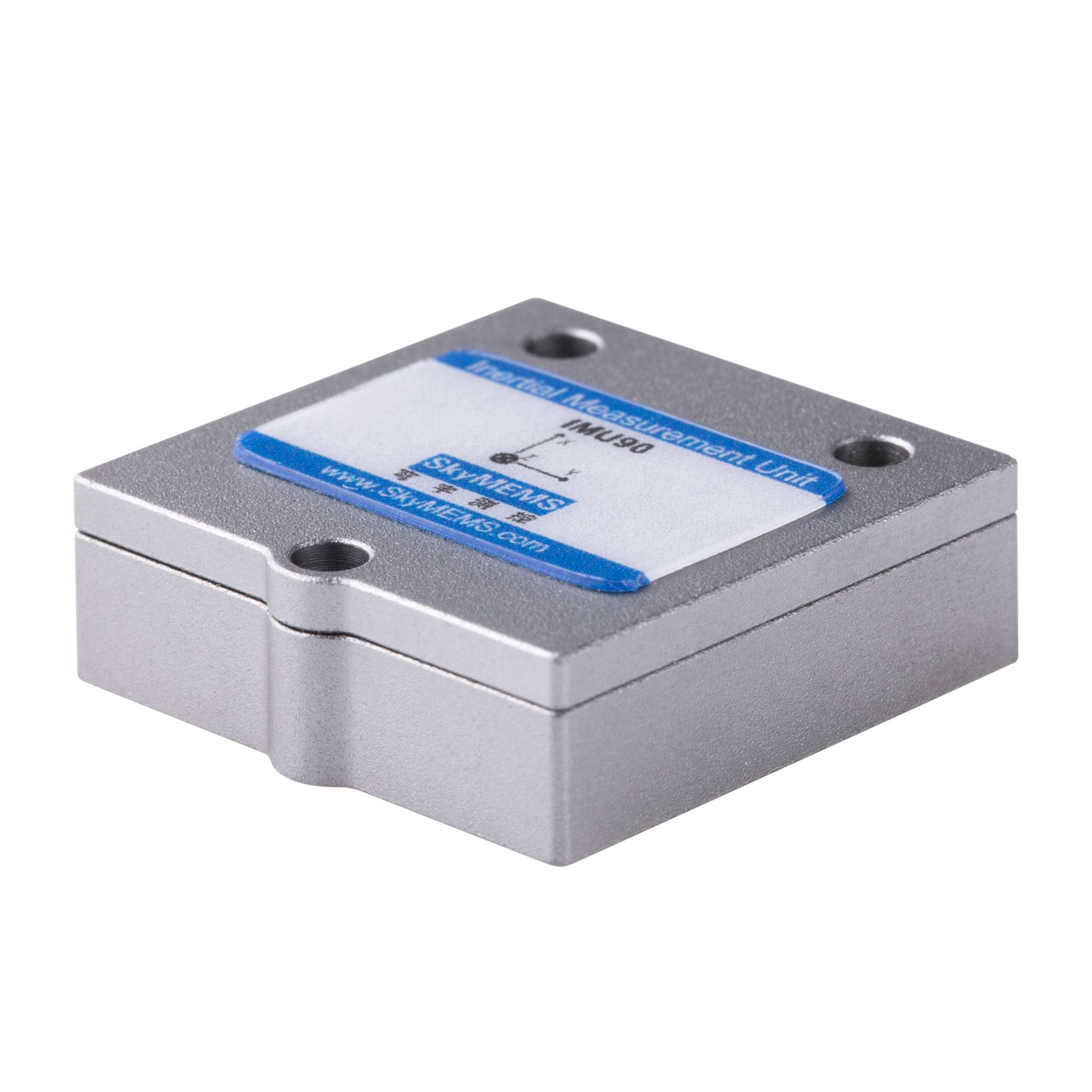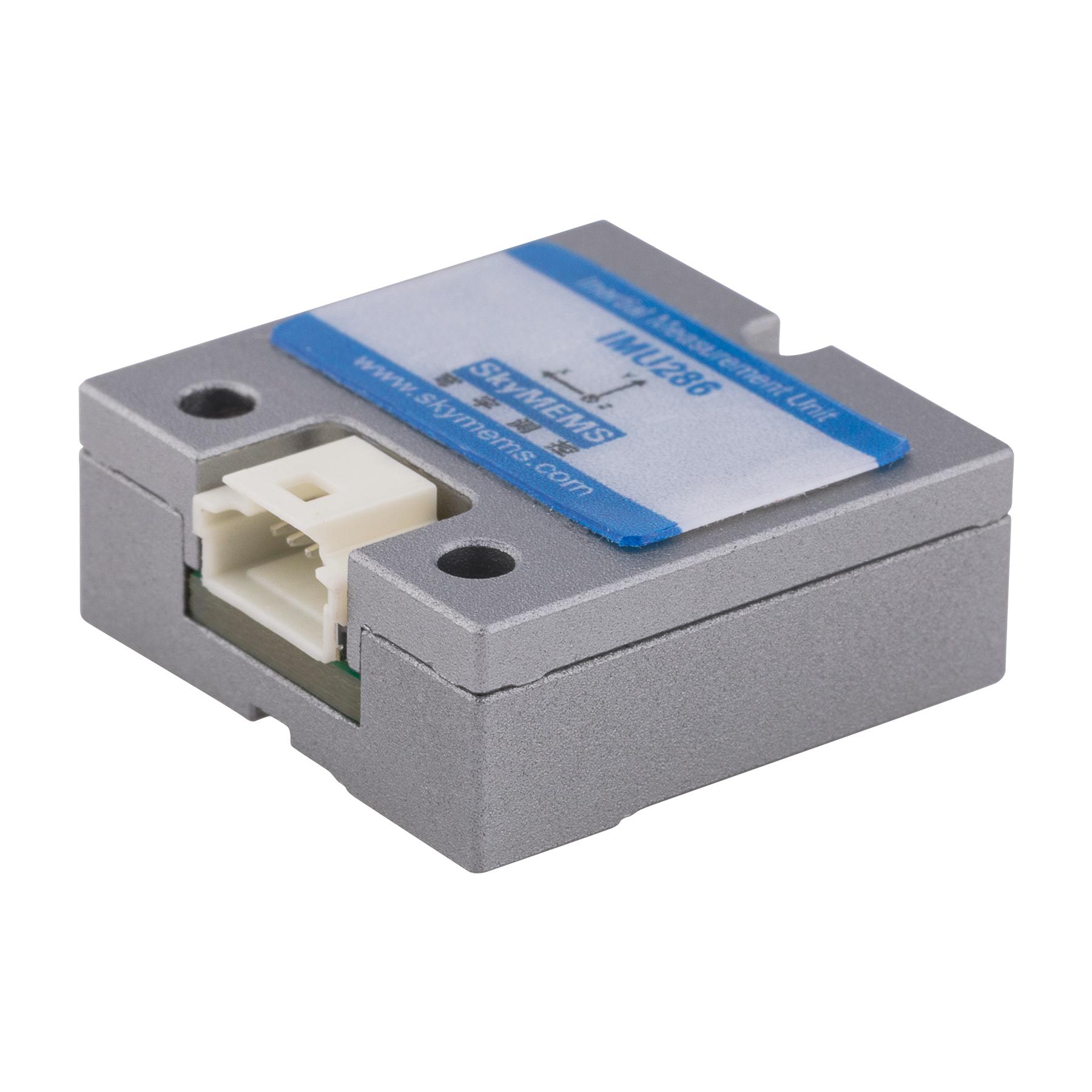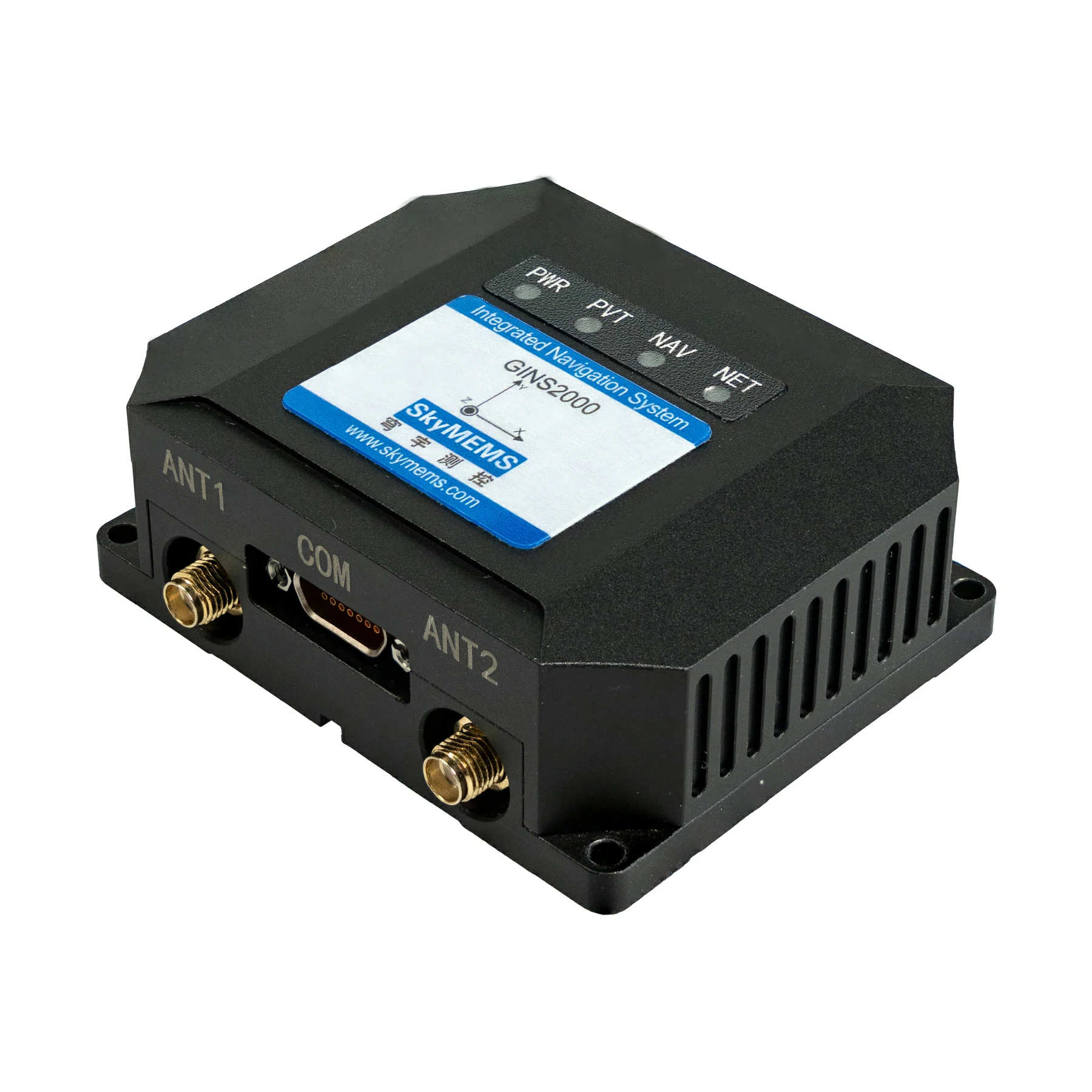


Basic Working Principle of IMUs
The core of an IMU consists of three parts:
Accelerometer: Measures linear acceleration and calculates velocity and displacement through integration.
Gyroscope: Detects angular velocity to determine the rotational attitude of an object.
Magnetometer (optional): Provides a position reference by sensing the Earth’s magnetic field.
Using sensor fusion algorithms (such as Kalman filtering), IMUs can continuously output attitude, position, and motion data in environments without GPS signals. Modern IMUs mostly employ Microelectromechanical Systems (MEMS) technology, integrating sensors onto silicon chips to achieve a balance between miniaturization, low cost, and high performance.
Performance Comparison and Application Scenarios of Four Levels of IMUs
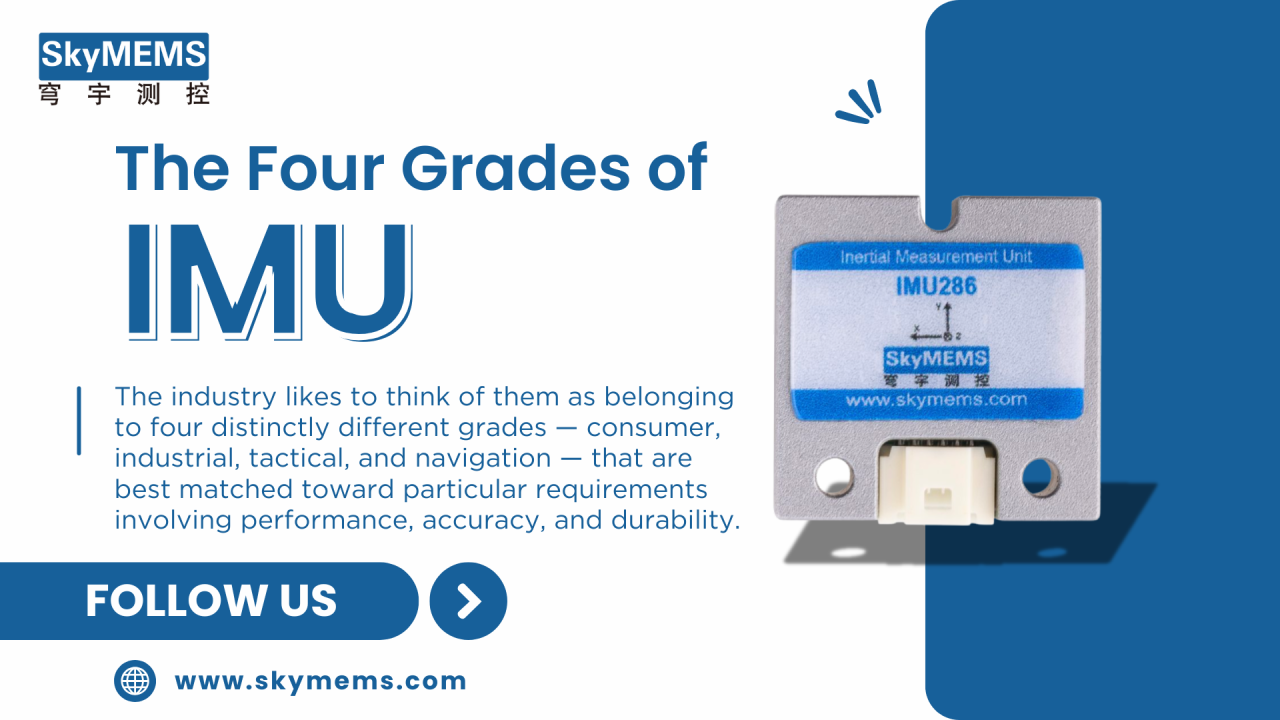
1. Consumer-Grade IMU
Performance Specifications: Gyroscope zero-bias stability 10–100°/h, Accelerometer zero-bias stability 1–10 mg.
Features: Low cost, low power consumption, small size, but susceptible to temperature fluctuations and significant drift.
Application Scenarios: Motion sensing and user interaction in consumer electronics products such as smartphones, smartwatches, and VR devices.
2. Industrial-Grade IMU
Performance Specifications: Gyroscope zero-bias stability 1–10°/h, Accelerometer zero-bias stability 0.1–1 mg.
Features: Temperature and vibration calibrated, supports operating environments from -40°C to +85°C, strong resistance to electromagnetic interference.
Application Scenarios: Industrial robots, agricultural machinery, UAV mapping, automated control systems, and other commercial applications.
3. Tactical-grade IMU
Performance Specifications: Gyroscope zero-bias stability 0.1–10°/h, accelerometer zero-bias stability 50–1000 μg.
Features: Employs fiber optic gyroscope (FOG) or ring laser gyroscope (RLG) technology, possessing high vibration resistance and thermal stability.
Application Scenarios: Mission-critical systems such as defense equipment, autonomous navigation UAVs, and exploration equipment in GPS-denied environments.
4. Navigation-grade IMU
Performance Specifications: Gyroscope zero-bias stability <0.01°/h, accelerometer zero-bias stability <10 μg.
Features: Based on hemispherical resonant gyroscope (HRG) and other technologies, enabling autonomous navigation for several days with virtually no drift.
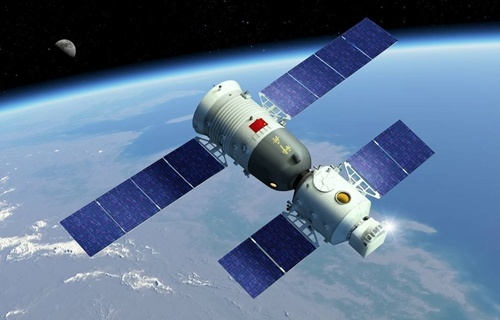
Application Scenarios: Strategic fields with extremely high reliability requirements, such as aerospace vehicles, submarines, and missile guidance.
How to Choose the Appropriate IMU Class?
Choosing an IMU requires comprehensive consideration of the following factors:
Accuracy Requirements: Consumer-grade IMUs are suitable for short-term motion sensing, while tactical or navigation-grade IMUs are required for long-term autonomous navigation.
Environmental Conditions: Temperature range, vibration intensity, and electromagnetic interference levels.
System Integration: The coordination method with auxiliary systems such as GPS and visual sensors.
Cost Constraints: Consumer-grade IMUs cost only a few dollars, while navigation-grade IMUs can cost over $50,000.
Future Trends in IMU Technology
Breakthroughs in MEMS Technology: Advanced MEMS designs are gradually approaching tactical-grade performance, blurring the traditional boundaries between grades.
Intelligent Self-Calibration: AI algorithms learn from the environment to compensate for sensor drift in real time.
Quantum Inertial Sensing: Quantum IMUs based on atomic interferometers may redefine the upper limit of navigation-grade accuracy.
Single-Chip Integration: “Full-stack navigation chips” integrating IMU, GNSS, and visual odometry will become a development trend.
The four-level classification of IMUs not only reflects the hierarchy of technological capabilities but also embodies the deep integration of market demand and engineering practice. From consumer electronics to aerospace technology, each level of IMU plays an irreplaceable role in its applicable field. With technological advancements and cost optimization, the performance boundaries of IMUs will continue to expand in the future, injecting new momentum into autonomous driving, high-end manufacturing, and space exploration.