

Quick Answer
An inclinometer is a precision instrument used for measuring angles of inclination, tilt, or slope relative to gravity. To use an inclinometer correctly, users should place the device on a stable surface, calibrate it if necessary, select the required measurement mode, and take the reading while minimising external interference.
According to the principles of angular measurement described in NIST Technical Note 1297: Guidelines for Evaluating and Expressing the Uncertainty of NIST Measurement Results, as well as the ISO 16063 series of standards for vibration and shock measurement, state that accurate inclination measurement depends on proper calibration, sensor stability, and environmental control.
Introduction to Inclinometer
Accurate angle measurement is essential in many fields, including modern engineering, construction, surveying, industrial automation, robotics, and structural monitoring. From checking the slope of a road to monitoring the tilt of a bridge, aligning industrial machinery to measuring the orientation of electronic equipment, professionals rely on inclinometers to obtain precise angular data.
While using an inclinometer may seem straightforward, obtaining reliable measurements requires more than simply placing the device on a surface and reading the displayed value. Various factors, such as calibration accuracy, installation position, sensor type, environmental vibration, temperature changes, and measurement direction, can significantly impact the results. When used correctly, an inclinometer can provide valuable information about tilt changes, structural movement, and equipment alignment; however, incorrect usage may lead to inaccurate conclusions and unnecessary adjustments.
This step-by-step guide explains how inclinometers work, how to use different types correctly, and how professionals can improve measurement accuracy. The article is intended for engineers, technicians, researchers, equipment manufacturers, and anyone else who requires reliable inclination measurements for practical applications.
What Is an Inclinometer?
An inclinometer is a sensor designed to detect the angle at which an object is tilted relative to a horizontal or vertical reference plane, usually the Earth’s gravitational field. Put simply, it measures how much an object is tilted compared to a horizontal or vertical reference position.
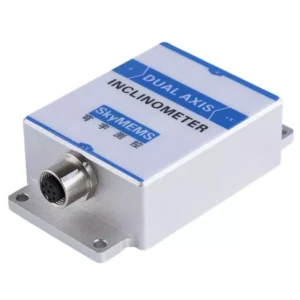
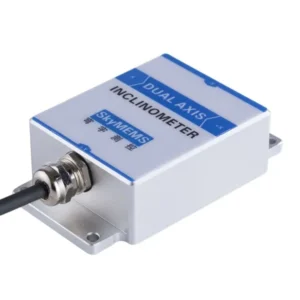
Depending on the technology used, inclinometers can measure one-, two-, or multi-axis inclination. A single-axis inclinometer measures tilt in one direction, whereas a dual-axis inclinometer can detect movement across two perpendicular planes, such as tilt along the X- and Y-axes. Advanced systems may integrate multiple sensors to provide more comprehensive orientation information.
Modern inclinometers are available in various forms, including digital electronic inclinometers, MEMS-based inclinometers, electrolytic inclinometers, and mechanical bubble inclinometers. Digital models typically use accelerometers or MEMS (micro-electro-mechanical systems) technology to detect changes in gravitational acceleration and convert them into angular measurements.
In industrial applications, inclinometers are often integrated into monitoring systems that continuously collect tilt data. For instance, structural health monitoring systems use inclinometers to detect minor movements in bridges, tunnels, dams, and buildings. In automation equipment, they help to maintain the accurate positioning and alignment of machinery components.
How Does an Inclinometer Work?
The operating principle of an inclinometer depends on its sensing technology. However, most modern devices work by detecting the direction of gravity and calculating the angle between the sensor’s measurement axis and the gravitational vector.
-
MEMS-Based Inclinometers
Many modern digital inclinometers use MEMS accelerometers. Inside the sensor, microscopic mechanical structures move slightly when the device changes orientation. These movements alter electrical signals, allowing the system to calculate the tilt angle.
MEMS technology has become widely used because it offers several advantages:
- Compact size
- Low power consumption
- Fast response time
- High reliability
- Easy integration with electronic systems
MEMS inclinometers are commonly found in industrial automation, automotive systems, drones, robotics, and structural monitoring equipment.
-
Electrolytic Inclinometers
Electrolytic inclinometers use a liquid electrolyte and electrodes to determine changes in position. When the sensor tilts, the distribution of liquid changes, altering the electrical resistance between electrodes. This variation is converted into an angular measurement.
These sensors are known for excellent sensitivity and stability, making them suitable for applications requiring extremely small-angle detection.
-
Mechanical Inclinometers
Traditional mechanical inclinometers typically use a weighted pointer, bubble level, or pendulum mechanism. Although they are less advanced than digital systems, they remain popular because of their simplicity, durability, and independence from electronic power sources.
Step-by-Step Guide: How to Use an Inclinometer
Using an inclinometer correctly involves several important steps. The exact operation may vary depending on the device model, but the following procedure applies to most digital and industrial inclinometers.
Step 1: Understand the Measurement Requirement
Before using an inclinometer, determine what you need to measure. Different applications require different measurement directions and accuracy levels.
For example:
- Measuring machine alignment may require high precision and repeatability.
- Checking construction slopes may require wider measurement ranges.
- Monitoring structural movement may require continuous data recording.
Understanding the purpose helps determine the appropriate sensor orientation, measurement range, and calibration requirements.
Step 2: Inspect and Prepare the Device
Before measurement, check the inclinometer condition carefully. Ensure that:
- The sensor surface is clean.
- The battery level is sufficient for digital models.
- The mounting surface is free from dust, oil, or debris.
- The device has not experienced impact or mechanical damage.
Small particles between the inclinometer base and the measurement surface can create positioning errors and affect accuracy, especially in precision applications.
Step 3: Calibrate the Inclinometer
Calibration is one of the most important steps for obtaining accurate results. A sensor that has not been calibrated properly may produce consistent but incorrect readings.
Place the inclinometer on a known reference surface, such as a certified horizontal platform. Follow the manufacturer’s calibration procedure to establish the zero reference point.
Professional-grade inclinometers may require periodic calibration depending on usage frequency, environmental conditions, and accuracy requirements. For example, MEMS sensors used in industrial monitoring systems may require compensation for temperature variations and long-term drift.
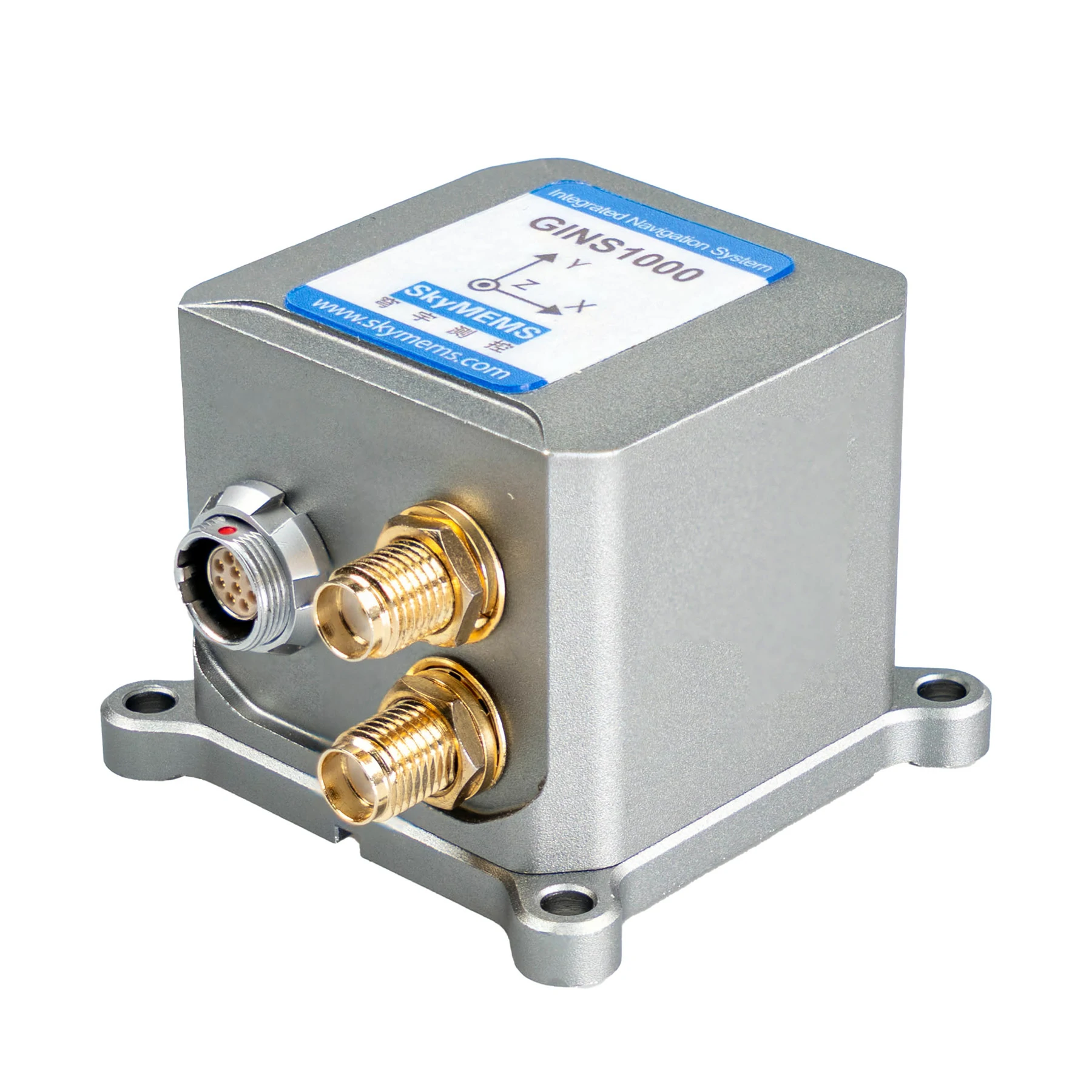
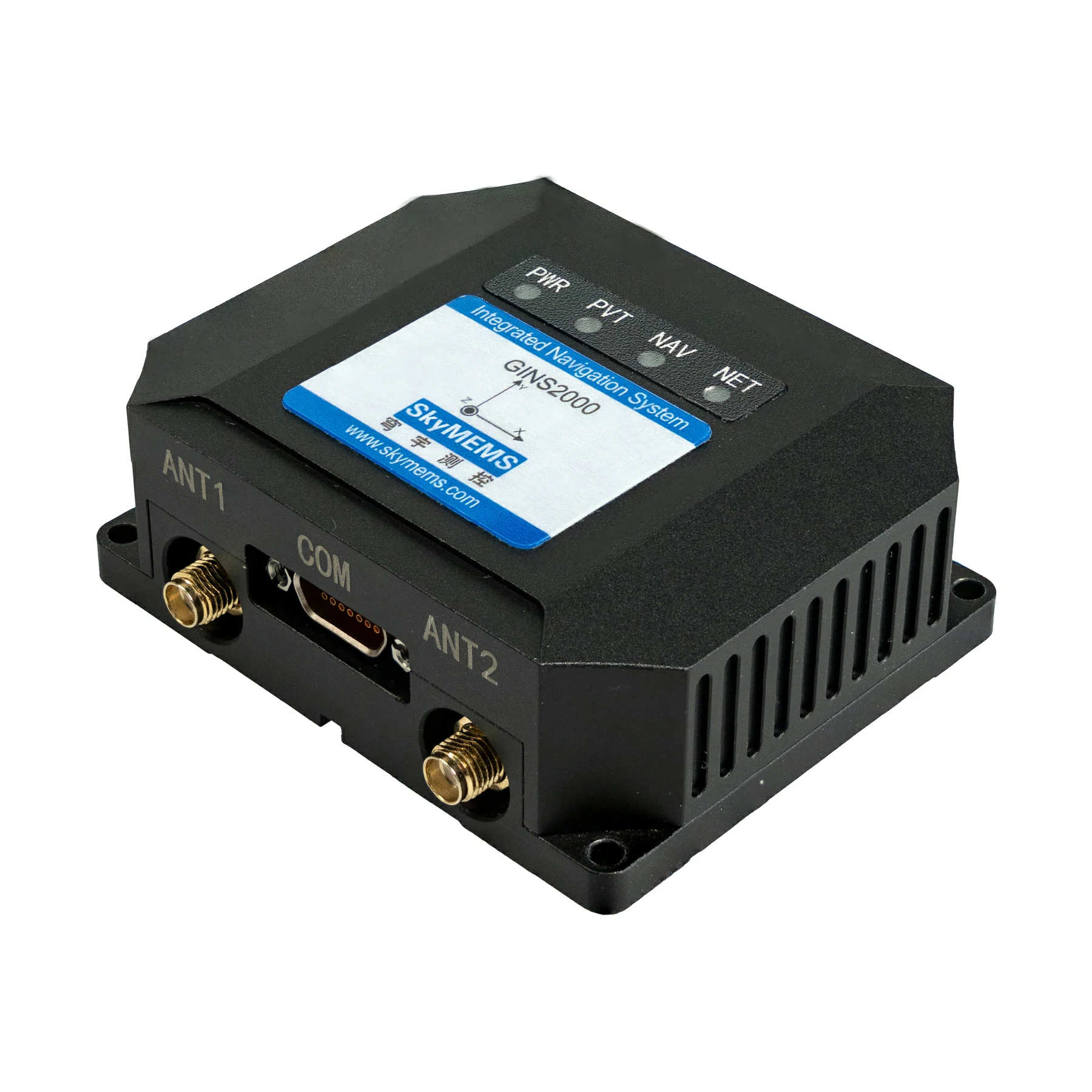
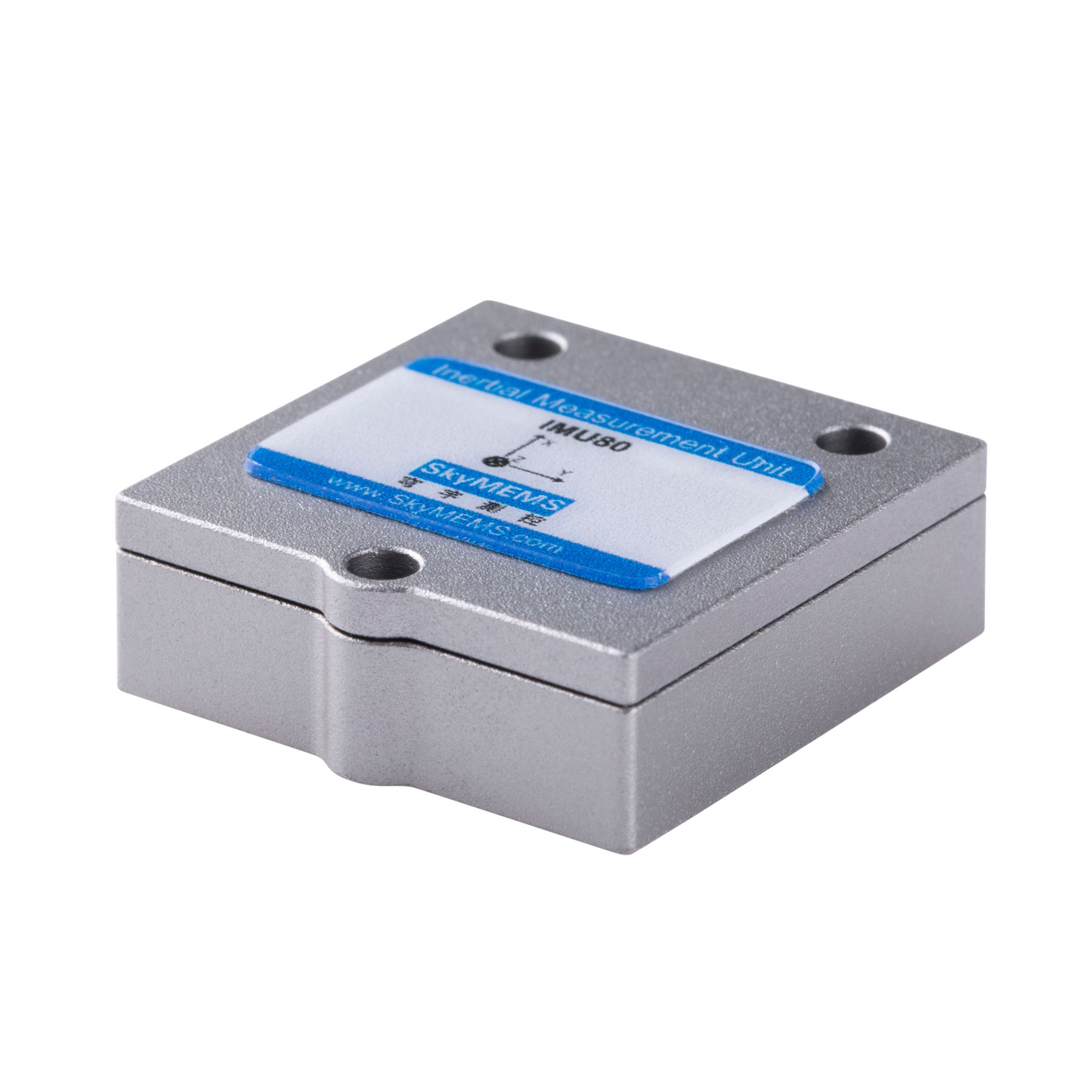
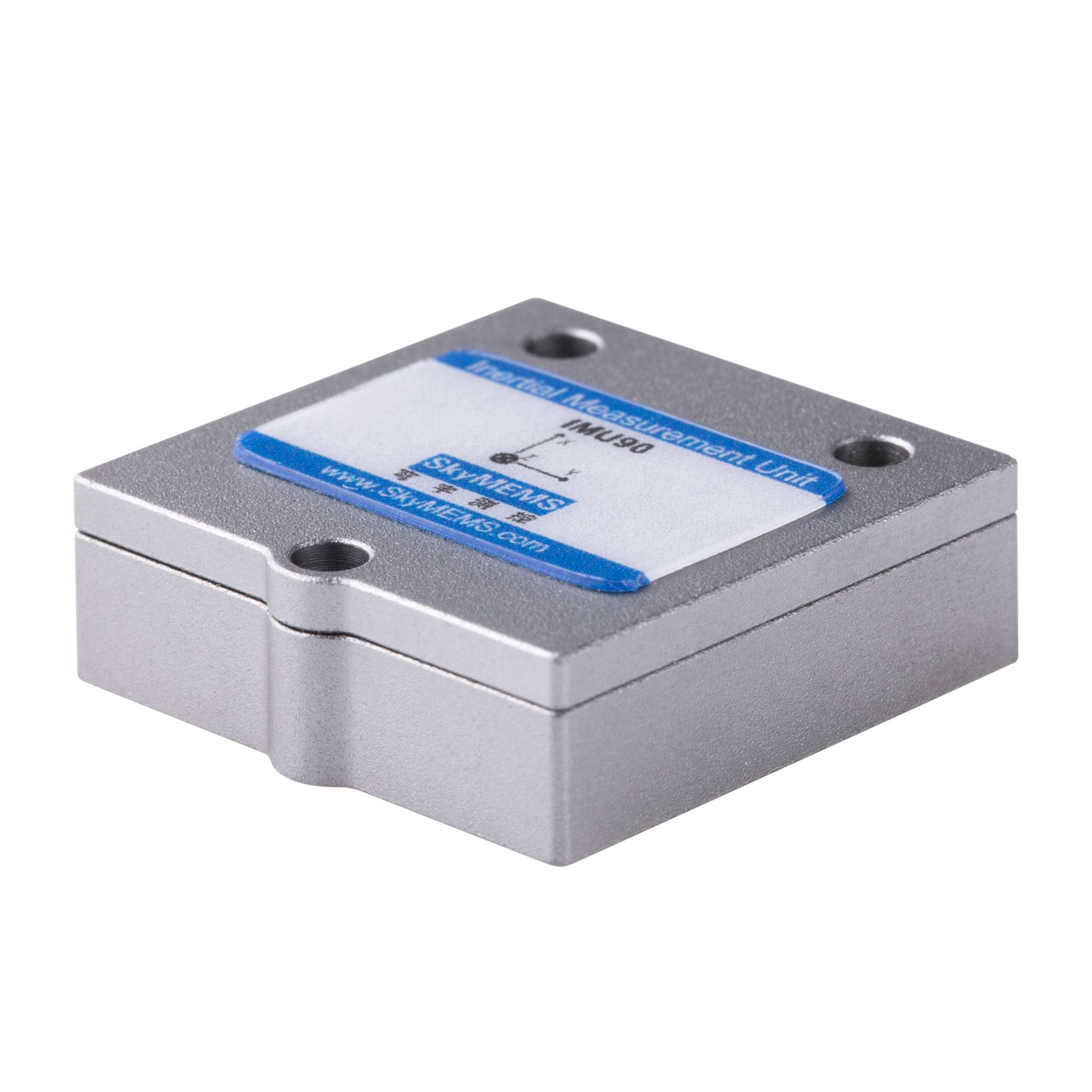
Some advanced manufacturers provide calibrated MEMS inclination solutions. Companies such as SkyMEMS develop MEMS-based sensing technologies designed for applications requiring compact size, stability, and precise angular measurement.
Step 4: Position the Inclinometer Correctly
Place the inclinometer firmly against the surface or object being measured. The sensor must maintain full contact with the reference surface to avoid measurement errors.
Important considerations include:
- Keep the sensor stable during measurement.
- Avoid placing it on uneven areas.
- Ensure the measurement axis matches the intended direction.
- Avoid unnecessary movement while recording readings.
For two-axis inclinometers, confirm that the X and Y axes are aligned correctly with the measurement target.
Step 5: Read and Record the Measurement
After positioning the device, allow the reading to stabilize before recording the result. Digital inclinometers usually display the angle directly in degrees, milliradians, or percentage slope.
For critical applications, multiple measurements should be taken and compared. Repeating measurements helps identify unexpected variations caused by vibration, temperature changes, or improper placement.
Step 6: Analyze and Apply the Data
The final measurement value should be interpreted according to the application requirements.
Examples:
- A construction engineer may use the reading to verify foundation leveling.
- A maintenance technician may adjust machinery alignment.
- A structural engineer may compare historical tilt data to identify movement trends.
In advanced monitoring systems, inclinometer data can be transmitted automatically through data acquisition platforms, allowing real-time analysis and early detection of potential problems.
Types of Inclinometers Comparison
| Type of Inclinometer | Working Principle | Advantages | Typical Applications |
| MEMS Inclinometer | Measures gravity changes using micro-electromechanical sensors | Compact, low power, digital output, reliable | Industrial automation, robotics, and monitoring systems |
| Electrolytic Inclinometer | Detects liquid movement through electrical changes | Extremely sensitive and accurate | Precision measurement, scientific research |
| Mechanical Inclinometer | Uses a bubble, a pendulum, or a gravity-based mechanism | Simple, durable, no power required | Construction, manual inspection |
| Digital Inclinometer | Uses electronic sensors with digital processing | Easy reading, data storage, and high functionality | Engineering measurement, equipment alignment |
Common Applications of Inclinometers
Because inclination measurement is important in many engineering processes, inclinometers are used across a wide range of industries.
-
Construction and Civil Engineering
In construction projects, inclinometers help monitor structural stability, foundation settlement, slope movement, and deformation of large structures. Engineers use them in buildings, tunnels, retaining walls, dams, and bridges to detect changes that may indicate potential safety issues.
-
Industrial Machinery Alignment
Manufacturing equipment often requires precise installation to ensure efficiency and reduce mechanical wear. Inclinometers help technicians align machine bases, rotating equipment, and production systems by measuring small angular deviations.
-
Aerospace and Transportation
Aircraft, vehicles, and navigation systems rely on inclination data for orientation control and stability management. MEMS inclinometers are widely integrated into modern electronic systems because of their small size and fast response.
-
Robotics and Automation
Robotic systems require accurate position feedback to maintain balance and movement control. Inclinometers provide essential tilt information for autonomous machines, robotic arms, and industrial automation platforms.
How to Improve Inclinometer Measurement Accuracy?
Although modern inclinometers can provide highly accurate angle measurements, achieving reliable results requires correct operation and installation, as well as environmental control. Even advanced MEMS-based sensors can produce inaccurate measurements due to temperature variation, vibration, incorrect mounting, or inadequate calibration.
One of the most important factors affecting accuracy is calibration stability. Inclinometers should be calibrated according to the manufacturer’s recommendations and checked regularly, particularly when used in critical applications such as structural monitoring, industrial machinery alignment, or precision measurement systems. Calibration compensates for sensor bias, installation errors, and long-term drift, ensuring that measured values remain consistent over time.
Temperature is another factor that should not be overlooked. Many electronic inclinometers use MEMS accelerometers, whose output characteristics can change slightly with temperature fluctuations. High-quality industrial sensors often include temperature compensation algorithms to minimise these effects. When operating in environments with significant temperature changes, users should allow the instrument to reach thermal equilibrium before taking any measurements.
The way in which the instrument is installed also plays a major role in measurement accuracy. The mounting surface should be clean, flat, and stable. Any gap between the inclinometer and the object being measured can introduce angular errors. For permanent monitoring applications, rigid mounting brackets are commonly used to maintain consistent sensor positioning over long periods.
External vibration and shock should also be minimised wherever possible. While many industrial inclinometers are designed to withstand harsh environments, continuous vibration can affect short-term readings. Taking multiple measurements and applying appropriate filtering methods can help to improve the reliability of the data.
Common Mistakes When Using an Inclinometer
Even experienced users can make mistakes that reduce measurement reliability. Understanding these common problems helps prevent inaccurate results and unnecessary troubleshooting.
-
Using the Sensor Without Calibration
One of the most frequent mistakes is assuming that a new inclinometer does not require calibration. Manufacturing tolerances, transportation impacts, and environmental conditions can influence initial accuracy. Calibration establishes a reliable reference point and should always be performed before precision measurements.
-
Incorrect Sensor Placement
An inclinometer measures the angle of the surface where it is installed. If the device is placed at an angle or on an uneven area, the reading may represent the sensor position rather than the actual target condition. Proper alignment with the measurement axis is essential.
-
Ignoring Environmental Factors
Temperature, vibration, electromagnetic interference, and mechanical stress can all influence measurement results. In industrial environments, users should consider these factors when interpreting inclinometer data.
-
Selecting the Wrong Measurement Range
Different applications require different measurement ranges. A sensor designed for small-angle monitoring may not perform optimally when measuring large movements. Conversely, a wide-range inclinometer may not provide the sensitivity required for precision applications.
-
Recording Only One Measurement
A single reading may not always represent the actual condition. Repeated measurements allow users to identify abnormal fluctuations and improve confidence in the final result.
Digital Inclinometer vs. Traditional Inclinometer
The development of MEMS technology has brought about significant changes to the inclinometer industry. While traditional mechanical devices are still useful for simple manual measurements, digital inclinometers offer advanced features such as data logging, remote monitoring, automatic compensation, and integration with industrial control systems.
Digital inclinometers typically use accelerometers or MEMS sensors to electronically detect changes in gravity. The measured signal is processed by embedded algorithms and displayed as an angle value. This enables faster measurements, greater automation, and easier integration with modern monitoring platforms.
In contrast, traditional inclinometers, including bubble levels and pendulum-based devices, rely on mechanical principles. Their advantages include simplicity, durability, and independence from batteries or electronic systems. However, they generally lack the precision, connectivity, and analytical capabilities required for advanced engineering applications.
The choice between digital and traditional instruments depends on the application. Construction workers performing basic levelling tasks may find mechanical tools sufficient, whereas engineers monitoring bridge deformation or industrial equipment alignment typically require digital solutions.
Digital Inclinometer vs. Traditional Inclinometer Comparison
| Feature | Digital Inclinometer | Traditional Inclinometer |
| Measurement Technology | MEMS sensors, accelerometers, electronic processing | Bubble, pendulum, or mechanical mechanism |
| Accuracy | High precision with calibration compensation | Moderate accuracy depending on design |
| Data Output | Digital display, wireless communication, data logging | Manual reading |
| Power Requirement | Requires battery or external power | No power required |
| Environmental Adaptability | Suitable for automated industrial monitoring | Suitable for simple field measurement |
| Installation Flexibility | Easy integration into electronic systems | Mainly manual operation |
| Best Applications | Structural monitoring, automation, robotics | Construction inspection, basic leveling |
How to Select the Right Inclinometer?
Choosing the correct inclinometer requires evaluating several technical factors rather than focusing only on price. The ideal sensor depends on measurement accuracy, operating environment, installation requirements, and data processing needs.
-
Determine Required Accuracy
The first consideration is measurement precision. Basic construction applications may only require degree-level accuracy, while industrial automation, scientific research, and structural monitoring may require measurements with extremely small angular resolution.
Users should check specifications such as:
- Measurement range
- Resolution
- Accuracy
- Repeatability
- Long-term stability
A higher-resolution sensor is not always necessary if the application does not require it.
-
Consider Measurement Range
Different inclinometers are designed for different tilt ranges. Common measurement ranges include:
- ±5°
- ±15°
- ±30°
- ±60°
Full 360° rotation sensing
Small-angle inclinometers are often used for monitoring gradual structural changes, while wider-range sensors are suitable for equipment positioning and orientation applications.
-
Evaluate Environmental Conditions
The operating environment has a major impact on sensor selection.
Important factors include:
- Temperature range
- Humidity exposure
- Shock resistance
- Vibration conditions
- Dust and water protection
For outdoor or industrial applications, users should select sensors with suitable protection ratings and environmental compensation features.
-
Check Communication and Integration Requirements
Modern industrial systems often require real-time data transmission. Digital inclinometers may support communication interfaces such as:
- RS485
- CAN bus
- UART
- Analog output
- Wireless communication
For automated monitoring systems, compatibility with existing control platforms is essential.
Inclinometer Selection Guide
| Application | Recommended Inclinometer Type | Key Requirements |
| Building and Bridge Monitoring | Digital MEMS Inclinometer | Long-term stability, low drift, remote data collection |
| Machine Alignment | High-precision Digital Inclinometer | Accurate angle measurement, repeatability |
| Construction Level Checking | Mechanical or Digital Inclinometer | Easy operation, portability |
| Robotics and Automation | MEMS Multi-axis Inclinometer | Fast response, compact size |
| Scientific Measurement | Precision Electrolytic Inclinometer | Extremely high sensitivity |
Frequently Asked Questions (FAQ)
- What is an inclinometer used for?
An inclinometer is used to measure the angle of tilt, slope, or inclination of an object relative to gravity. It is widely applied in construction, structural monitoring, industrial equipment alignment, robotics, and transportation systems.
- How accurate is an inclinometer?
The accuracy of an inclinometer depends on the sensor technology, calibration quality, environmental conditions, and application requirements. High-quality digital MEMS inclinometers can achieve very high precision when properly installed and calibrated.
- How do you calibrate an inclinometer?
To calibrate an inclinometer, place it on a known reference surface, establish the zero position, and follow the manufacturer’s calibration procedure. Regular calibration helps compensate for sensor drift and environmental changes.
- What is the difference between an inclinometer and a level?
A level typically determines whether a surface is horizontal or vertical, while an inclinometer measures the exact angle of inclination. Inclinometers provide numerical angle values, making them more suitable for precision measurement.
- Can an inclinometer measure both tilt and slope?
Yes. Many modern inclinometers can measure tilt angles and convert them into slope values, such as percentage grade or milliradians, depending on the application requirements.
- What factors affect inclinometer accuracy?
Major factors include temperature changes, vibration, incorrect installation, calibration errors, sensor drift, and unstable mounting surfaces. Proper setup and environmental compensation help maintain measurement accuracy.
Conclusion
Learning how to use an inclinometer correctly is essential for obtaining reliable angle measurements in engineering, construction, automation, and monitoring applications. Although modern inclinometers simplify the measurement process, accurate results depend on proper calibration, correct installation, suitable sensor selection, and consideration of environmental influences.
While traditional mechanical inclinometers remain useful for simple manual measurements, digital and MEMS-based inclinometers have become increasingly important in modern industries thanks to their higher precision, real-time monitoring capabilities, and easier integration with automated systems.
When selecting an inclinometer, users should consider the required measurement range, accuracy, environmental conditions, communication options, and long-term stability. By choosing the appropriate technology and following correct operating procedures, an inclinometer can reliably provide data for tasks ranging from basic levelling to advanced structural health monitoring.
As industries continue to move towards intelligent monitoring and automation, the ability to precisely measure inclination will remain critical for improving the safety, efficiency, and performance of engineering applications.