


What is an Inertial Sensor?
An inertial sensor is a key device that measures the motion state of an object. It mainly includes accelerometers, gyroscopes, and magnetometers. Based on Newtonian mechanics and microelectromechanical systems (MEMS) technology, they convert the physical signals of an object’s motion into electronic signals, providing various devices with real-time data such as attitude, velocity, and orientation.
In short, inertial sensors are the “motion-sensing organs” of intelligent devices—even in environments without GPS signals or external references, they can continuously provide reliable motion information, becoming an indispensable part of navigation, control, and interaction systems.
Core Principles: From Physical Motion to Electronic Signals
Inertial sensors operate based on a fundamental principle of physics: inertia. When an object’s state of motion changes, the mass inside the sensor experiences a minute displacement or force change relative to the sensor’s outer casing due to inertia. Through microelectromechanical systems (MEMS) technology, these minute changes are converted into electrical signals, which are then used to calculate data such as acceleration and angular velocity.
Take the familiar example of a mobile phone screen automatically rotating: When we tilt the phone, the built-in accelerometer senses the change in the direction of gravity, triggering the screen to rotate; while the gyroscope detects the device’s rotation speed and direction, ensuring a smooth and stable display. The combination of these two elements constitutes our most direct “inertial perception experience” in daily life.
Diverse Types, Each with its Own Function
Inertial sensors are not single devices, but rather a system composed of multiple types of sensors:
Accelerometers: measure the change in acceleration of an object in a specific direction, commonly used in scenarios such as screen rotation, step counting, and motion recognition;
Gyroscopes: sense the angular velocity of an object’s rotation, widely used in drone stabilization, virtual reality positioning, and camera image stabilization;
Magnetometers: like an “electronic compass,” they determine orientation by sensing the Earth’s magnetic field, often working in conjunction with accelerometers and gyroscopes for precise navigation.
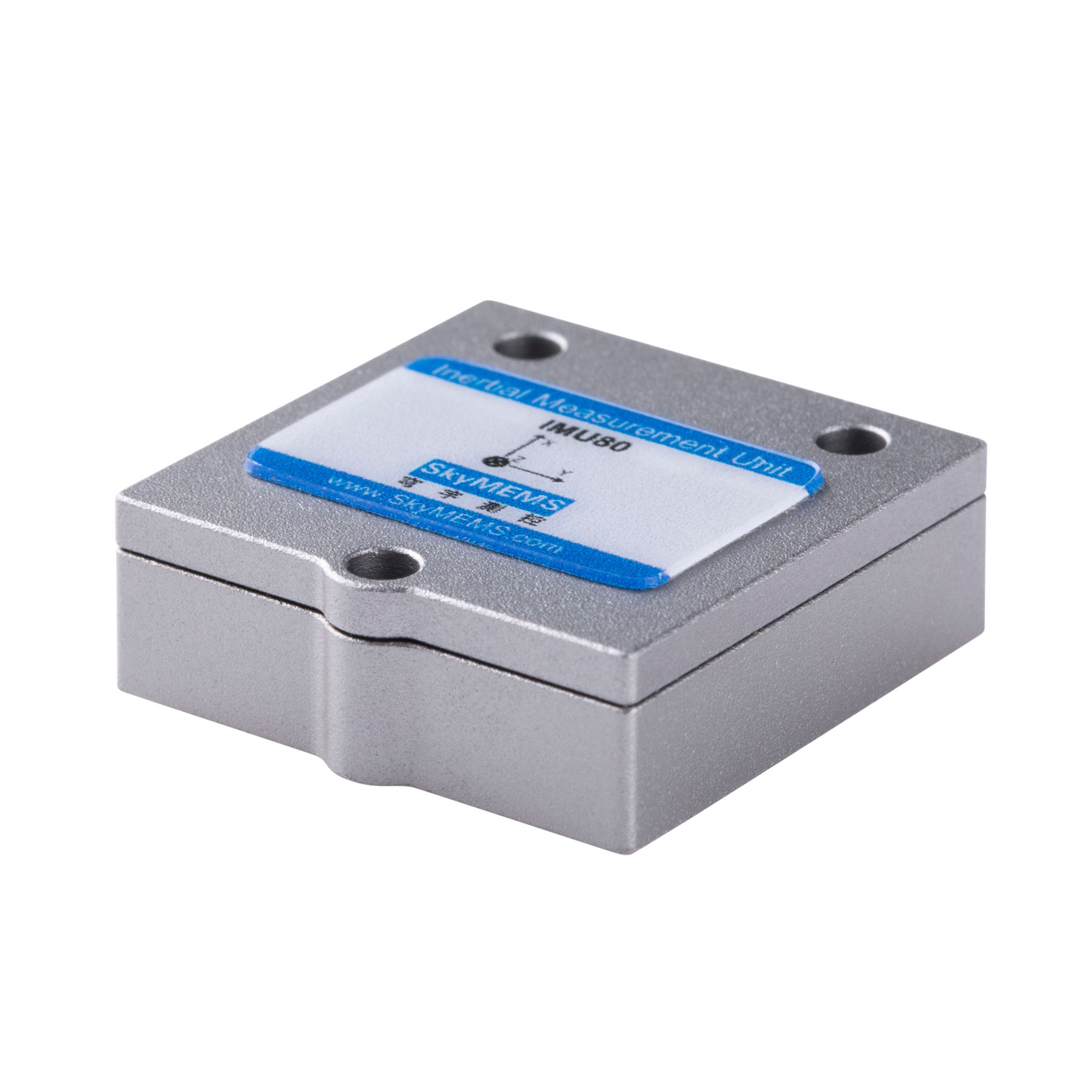
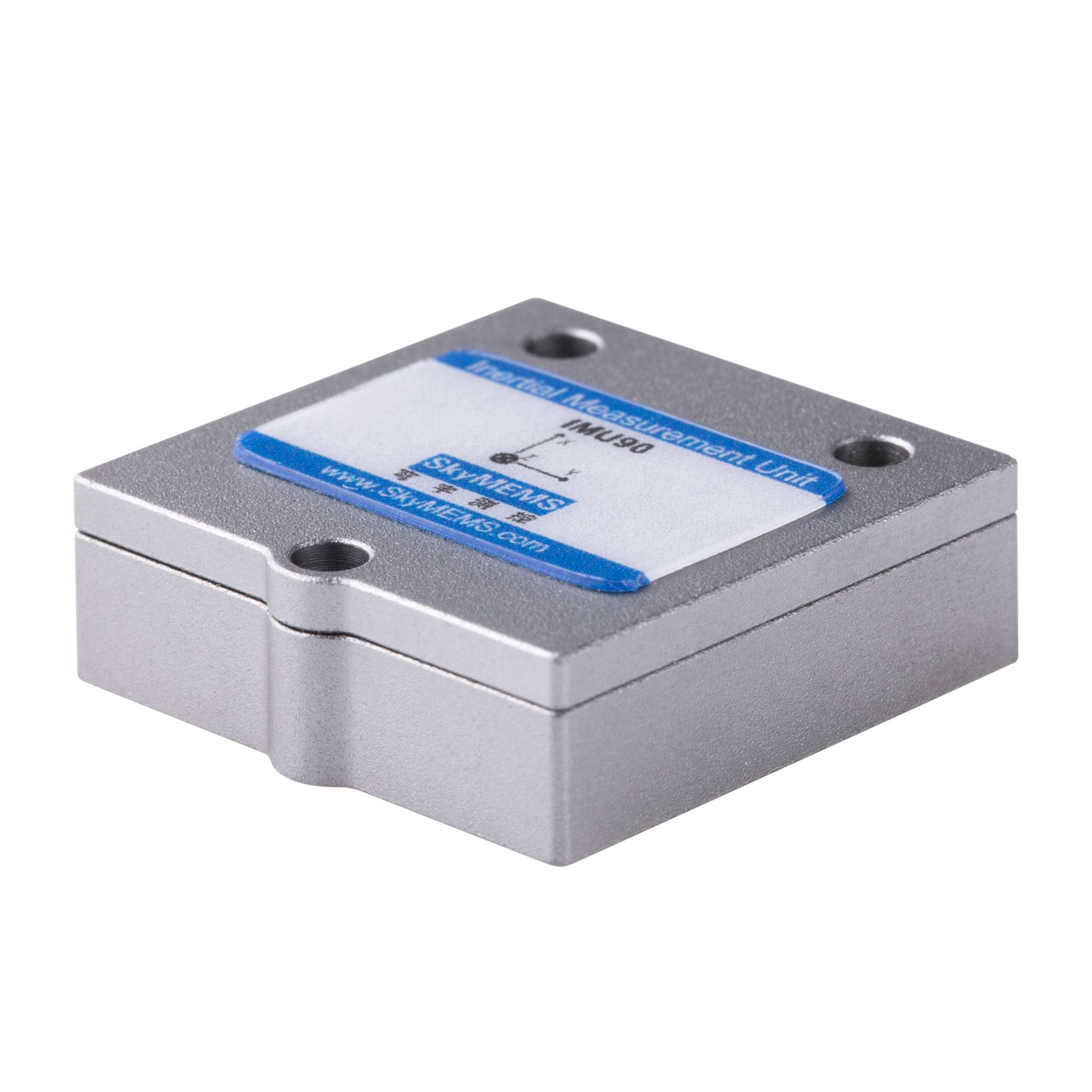
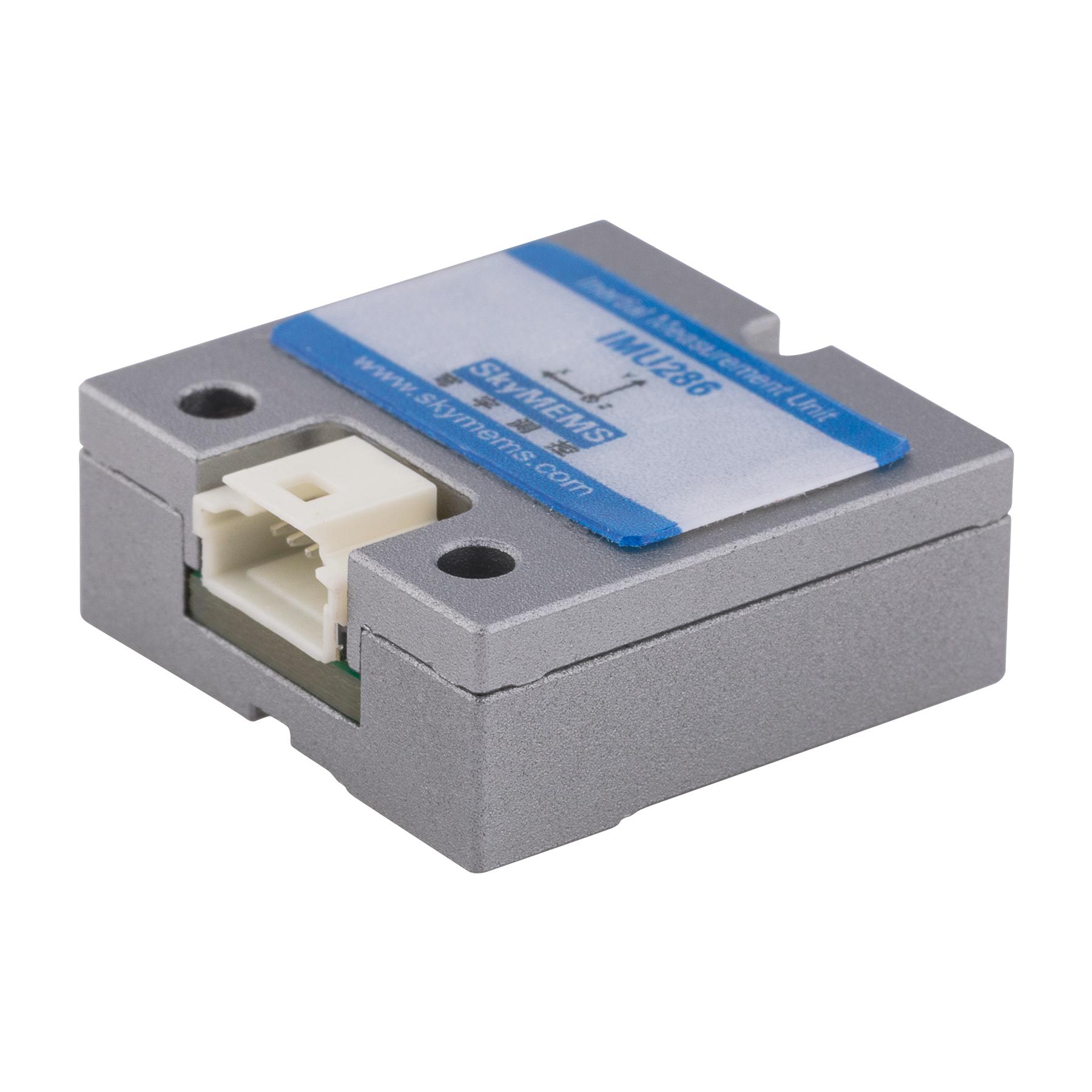
When these sensors are integrated, they form an Inertial Measurement Unit (IMU), providing more comprehensive and higher-precision motion state information, becoming a core component of many demanding systems.
Ubiquitous Applications
From consumer electronics to high-end industry, from daily life to aerospace exploration, inertial sensors are ubiquitous in various fields:
Consumer Electronics
Smartphones, smartwatches, VR devices, and other devices rely on inertial sensors for motion interaction, health monitoring, and immersive experiences.
Intelligent Vehicles and Autonomous Driving
Electronic stability systems prevent skidding by monitoring vehicle attitude in real time. In autonomous driving systems, inertial sensors work in conjunction with cameras and radar to achieve continuous and reliable positioning and path control.
Drones and Robots
Drones rely on IMUs to maintain stable flight, while robots use them to achieve balanced movement and precise operation in complex terrain.
Aerospace and Defense
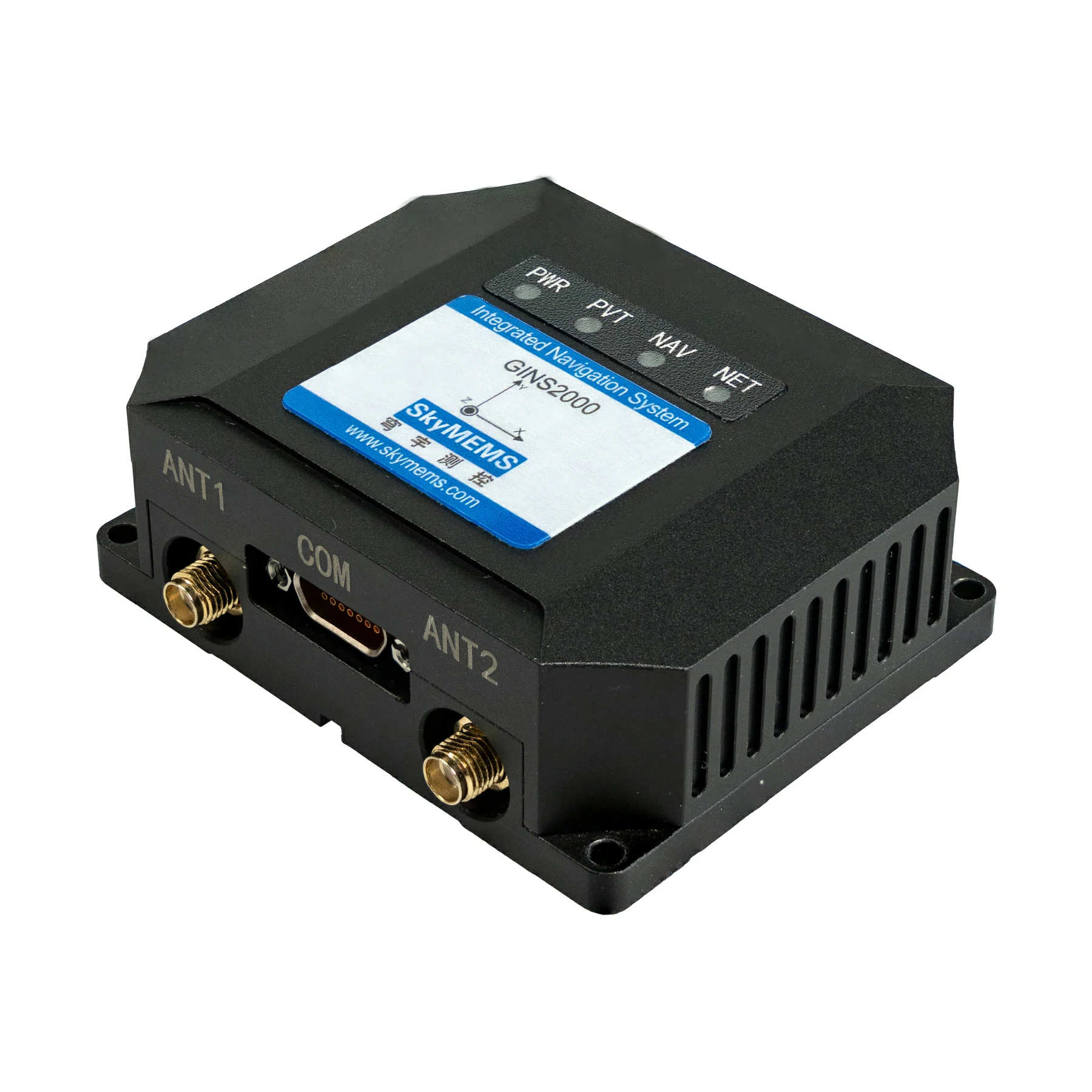
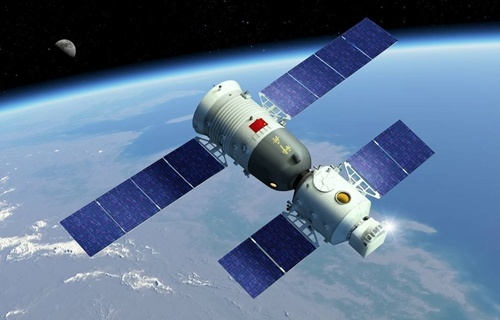
In satellites, rockets, and spacecraft, inertial navigation systems are crucial for ensuring attitude control and orbital stability. In military applications, they are central to high-precision systems such as missile guidance and ship navigation.
The Future: Smaller, Smarter, More Integrated
With the continuous development of microelectromechanical systems (MEMS) and artificial intelligence algorithms, inertial sensors are evolving towards miniaturization, higher precision, and greater intelligence:
Multi-sensor fusion: Deep integration of accelerometers, gyroscopes, magnetometers, and systems such as vision and GPS enables more robust and continuous spatial perception;
AI enhancement: Optimizing signal processing and error compensation through machine learning further improves data reliability in dynamic environments;
New application scenarios: In wearable devices, the Internet of Things (IoT), human-computer interaction, and even the metaverse, inertial sensors will continue to expand their application boundaries, empowering more innovative experiences.
With further technological breakthroughs, this invisible sensor will continue to drive changes in more fields, playing an increasingly crucial role in the convergence of the digital and physical worlds.