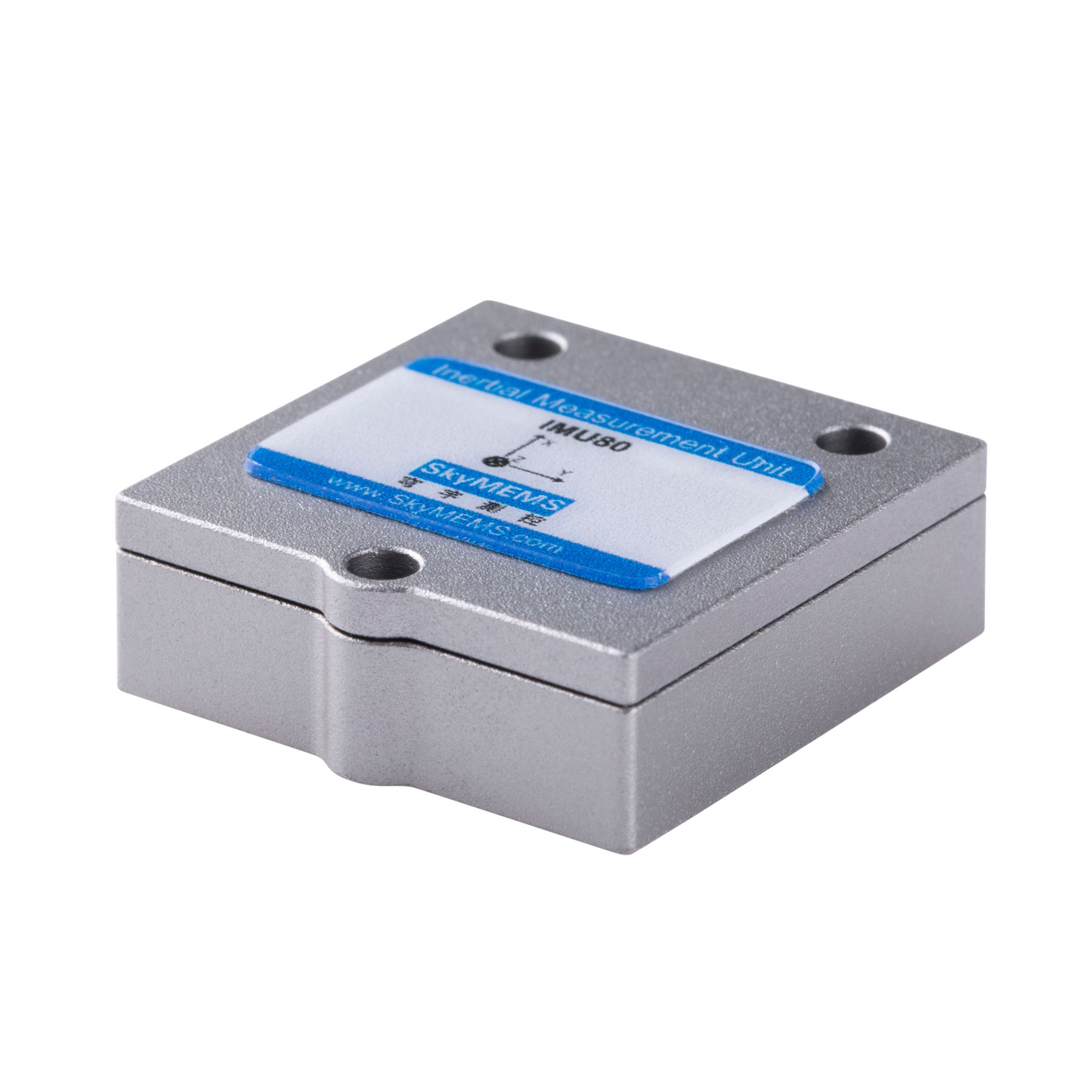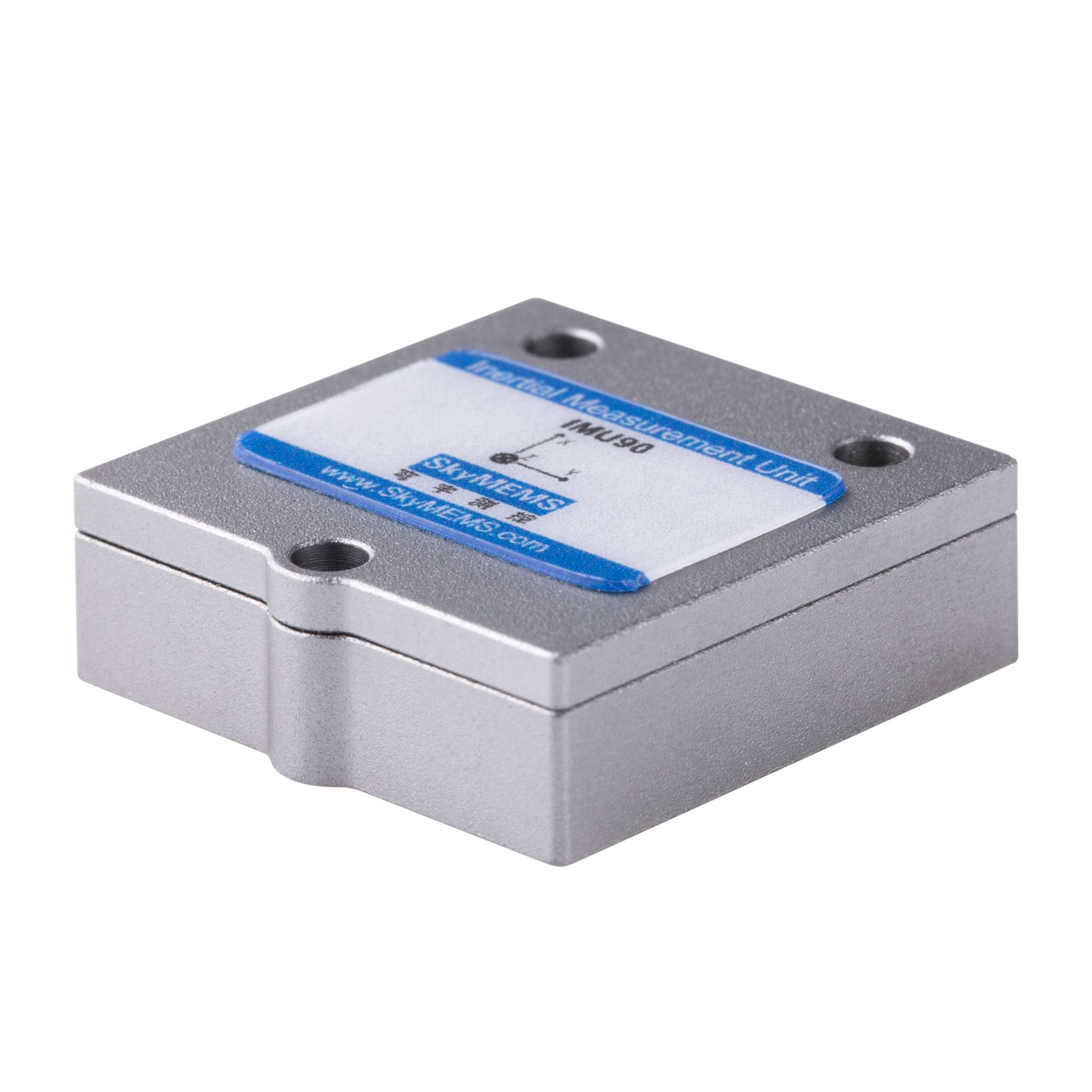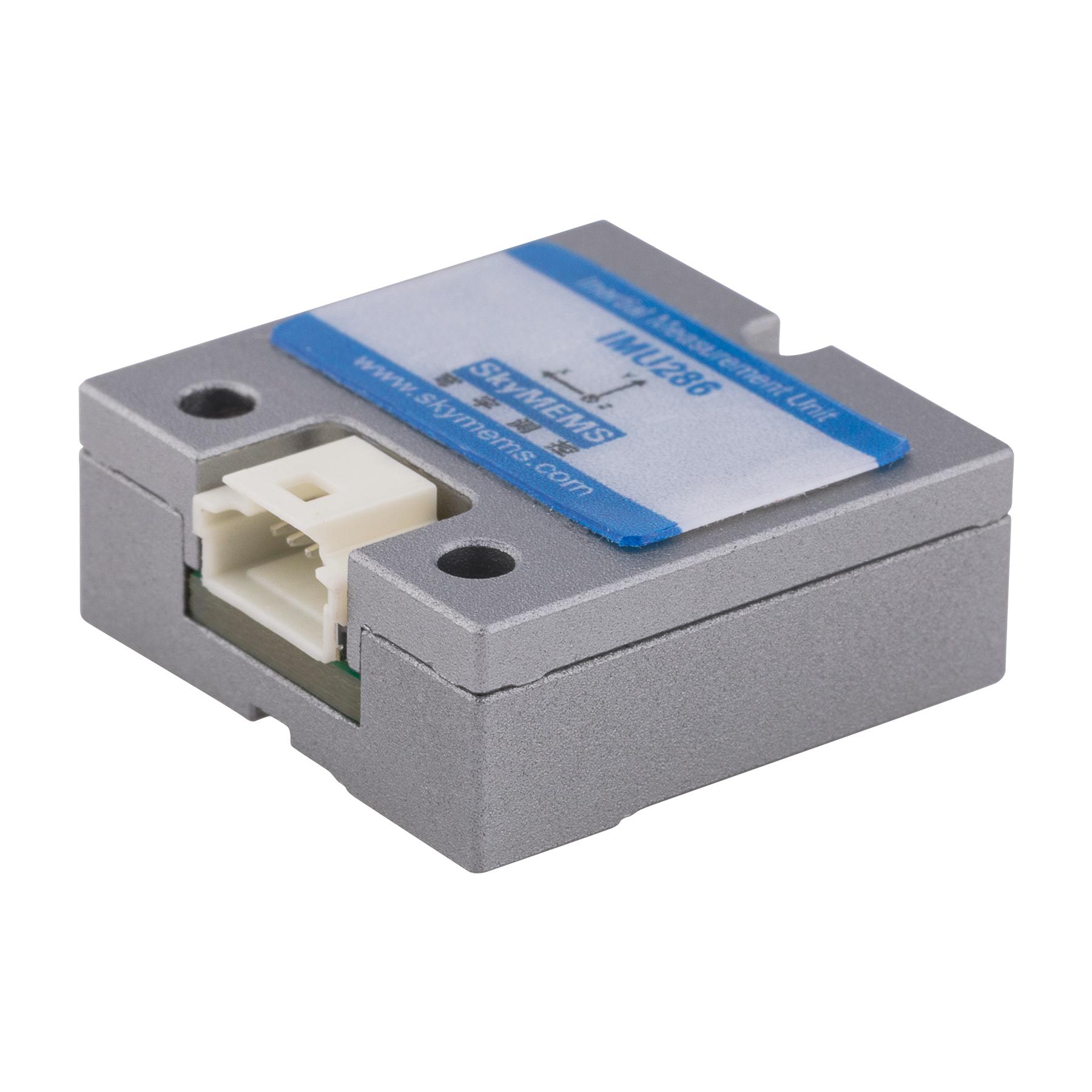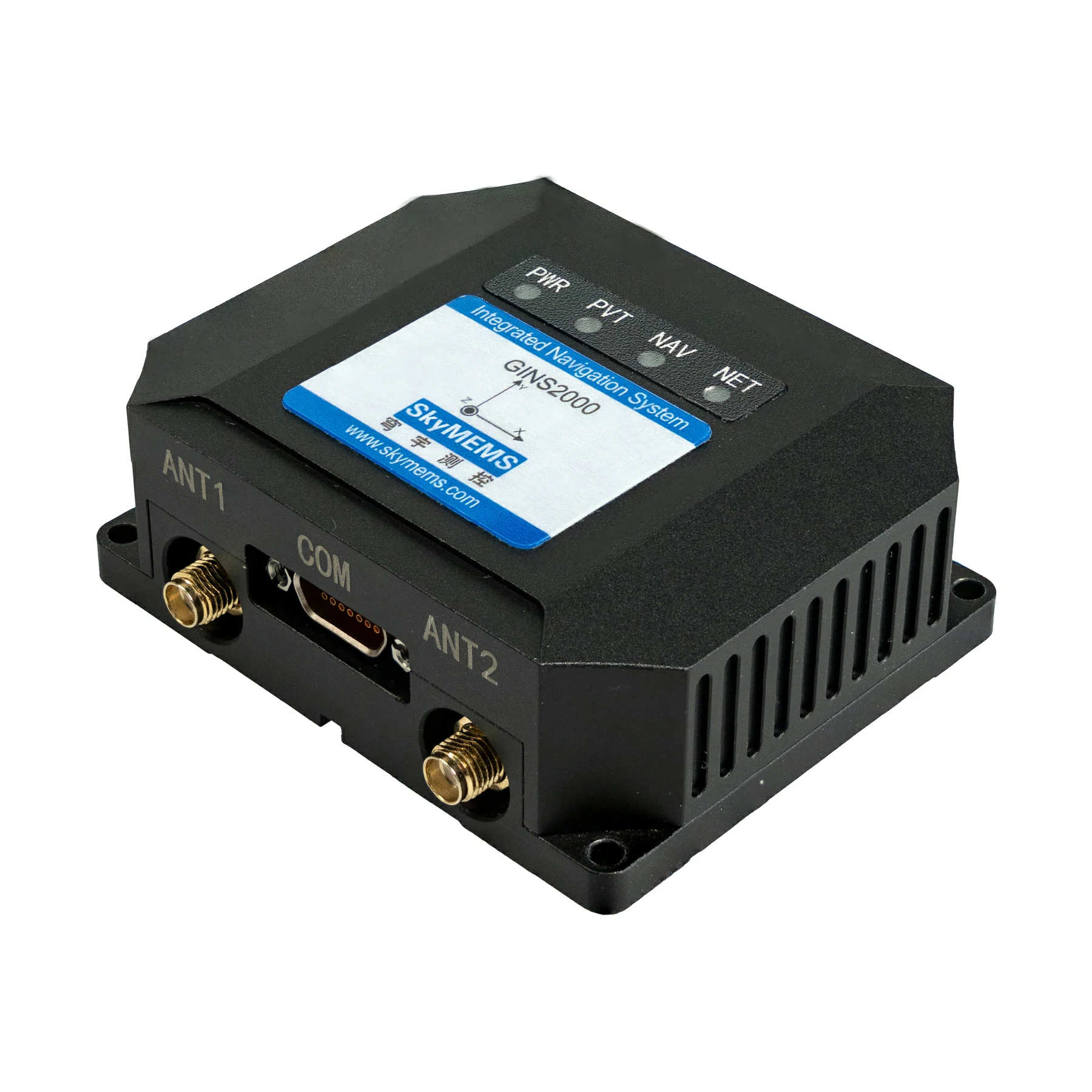


Digital fiber optic gyroscopes are the latest development in inertial navigation, capable of delivering angular rate data with no moving parts inside. Whereas mechanical gyros depend on rotating masses and bearings to produce a signal, the DFOGs exploit the Sagnac effect, optical fibers, and digital signal processing to realize an extremely stable, very accurate, and highly reliable output. Solid-state by design means there is absolutely no mechanical wear, hence low maintenance requirements for long-term stability in any operational condition, however severe.
Procurement professionals, engineers, and systems integrators should understand the functional, operational, and strategic advantages of Digital Fiber Optic Gyroscopes. DFOGs are not just sensors; they are key elements that support navigation systems in aircraft, ships, cars, robots, and defense applications. The choice of a gyroscope impacts system dependability, performance efficiency, as well as how economical the operation will be.
Technical Principles of Digital Fiber Optic Gyroscopes
- The Digital Fiber Optic Gyroscope works on the principle of the Sagnac effect. The Sagnac effect is basically a phase shift experienced by two beams of light traveling in opposite directions around the same closed-loop path. The amount of the phase shift is directly proportional to the rotational velocity of that particular loop. With precise measurement of this phase shift, it will be possible to find out the angular rate at which rotation takes place.
- One of the components used in a DFOG is referred to as a laser diode, hence split into two beams going in opposite directions over a long coiled fiber optics. Any movement on the coiling part will introduce a relative phase difference between the two beams traveling in opposite directions. The photodetector picks this phase difference, and thereafter digital processing takes place to make real time the output which will be proportional to the angular rate.
- The optical fiber is the main sensing component of a DFOG. High-quality fibers with low birefringence reduce polarization errors and preserve the quality of the signal. The length and diameter of the coil are designed to optimize sensitivity in small package sizes for tactical and industrial applications.
- Interferometry is the basic means of detecting phase shifts with extreme precision. This, in turn, means that the interference pattern set up by light beams traveling in opposite directions within the gyroscope provides a direct measure of angular velocity. Digital signal processing algorithms further enhance this measurement by making it appropriate for temperature, optical noise, and other environmental factors.
- Digital Fiber Optic Gyroscopes use closed-loop DSP-based systems. Such systems maintain linearity, reduce bias drift in real-time, as well as scale factor error correction. Digital signal processing allows for fast startup times, low noise, and repeatable high precision measurements- required in a mission-critical application such as navigating an aircraft or guiding an autonomous vehicle.
Key Performance Characteristics
Understanding the technical specifications of a DFOG is crucial for procurement professionals to assess suitability for their systems. Key parameters include:
Scale Factor and Linearity
The scale factor is the output angular rate based on the actual applied rate. DFOGs have scale factors better than 3,600°/h/Volts with a full range of ±500°/s. This specification makes it operate in applications that require high performance without control feedback. A key parameter is also linearity, which describes the response of the gyro as being controlled.
The scale factor is actually the sensitivity of the gyroscope; it converts phase shifts observed to angular rates. High-performance DFOG gyros are capable of achieving better than 50 parts per million (ppm) of scale factor non-linearity over the whole range, and this makes an adequate provision for ensuring true measurement over the full operational range.
DFOGs work at extreme conditions, in the range of -40°C up to +70°C for operation and from -55°C up to +85°C for storage. Advanced fiber optic gyroscopes include temperature compensation algorithms and magnetic shielding that maintain performance for any environmental condition.
Bandwidth and Response
Gyros developed under modern digital controls typically respond at greater than 200 Hz, and what that means is they can be put into very dynamic platforms such as UAVs, robots, or even missiles. Greater than 200Hz also means very fast rotations are accurately picked up and transmitted to the navigation system.
DFOGs are made slightly, usually weighing over 300 grams, and with such dimensions that they fit in restricted shelters. The power consumption varies between 3 W at room temperature and 5 W at full-temperature operation, thus affecting performance versus energy efficiency.
DFOGs do not have any moving parts. Therefore, they attain an exceptional mean time between failures and minimal maintenance requirements. This fact is very advantageous in underwater vehicles, aerospace systems, and remote installations because accessibility is a problem.

Applications Across Industries
Digital Fiber Optic Gyroscopes serve a wide spectrum of applications, each demanding unique performance characteristics and integration considerations.
Aviation and Aerospace
In aviation, DFOGs are critical for inertial navigation systems (INS), providing real-time attitude, heading, and yaw information for aircraft and spacecraft. They enable:
-
Autopilot integration for precise trajectory control
-
Navigation redundancy in GPS-denied environments
-
Stabilization of sensors and cameras on aerial platforms
High reliability, low noise, and fast response make DFOGs ideal for both manned and unmanned aerial systems.
Marine and Subsea Navigation
Submersible vehicles and surface ships rely on DFOGs for gyrocompass and navigation accuracy where GNSS signals are unreliable or unavailable. Key benefits include:
-
Long-term stability under saltwater exposure
-
High tolerance to temperature fluctuations and pressure
-
Integration with sonar and inertial navigation systems
Procurement teams often select gyroscopes with robust magnetic shielding to prevent interference from onboard electrical systems.
Autonomous Vehicles and Land Systems
Ground vehicles, including autonomous cars, trucks, and military vehicles, utilize DFOGs for dead reckoning and positioning when satellite signals are blocked by tunnels, urban canyons, or dense forests. DFOGs ensure:
-
Continuous navigation in GPS-denied environments
-
High-precision heading and yaw rate measurement
-
Seamless integration with wheel odometry and other sensors
Robotics and Industrial Automation
In robotics, both terrestrial and underwater, DFOGs enable precise orientation and motion control. Applications include:
-
Subsea inspection robots navigating complex underwater terrain
-
Industrial manipulators maintaining orientation during high-speed operations
-
Autonomous delivery robots maintaining accurate heading
Antenna and Camera Stabilization
Precision optics and communication systems depend on DFOGs to stabilize antennas, cameras, and imaging systems against vibrations and rotational disturbances. Benefits include:
-
Smooth video capture for surveillance drones
-
Enhanced radar and satellite antenna pointing accuracy
-
Long-term stability in harsh environmental conditions
Integration and System Design Considerations
When procuring DFOGs, understanding integration requirements is critical for system success.
Mechanical Integration
-
Mounting surfaces must maintain flatness ≤0.01 mm
-
Screw configurations such as M4 ensure robust attachment
-
Compact dimensions allow integration into constrained enclosures
Electrical Integration
-
Standard RS422 communication for real-time data transmission
-
Power supply requirements ±5VDC ±5% with peak startup current considered
-
Optional filters or lab power supplies improve performance during testing
Software and Data Processing
-
Digital output simplifies integration with microcontrollers and processing units
-
Raw angular rate data converted to navigation metrics using proprietary or open-source algorithms
-
Real-time DSP ensures linearity, compensation, and stability
Environmental Protection
-
Robust magnetic shielding protects against electromagnetic interference
-
Nano-coatings and moisture resistance ensure reliable performance in humid or wet conditions
-
Thermal compensation algorithms mitigate temperature-induced drift

Procurement Considerations
Purchasing a Digital Fiber Optic Gyroscope is a strategic decision. Procurement teams should evaluate:
Performance vs. Cost
High-precision DFOGs provide accuracy, reliability, and durability, but costs vary with specifications. Consider the total cost of ownership, including maintenance and system integration.
Supplier Reliability
Choose suppliers with proven quality control procedures, ISO certification, and experience in delivering gyroscopes for similar applications. Supplier support is crucial for troubleshooting and customization.
Customization and ODM Services
Many suppliers offer ODM services for customized interfaces, mounting solutions, or output formats. This flexibility allows integration into specialized systems and enhances overall performance.
After-Sales Support
Technical support, documentation, and long-term service are vital. Look for suppliers offering 24/7 support, calibration services, and software updates to maintain performance throughout the product lifecycle.
Emerging Trends and Future Outlook
The market for Digital Fiber Optic Gyroscopes is evolving rapidly:
-
Miniaturization and low-cost solutions are enabling DFOGs in consumer electronics and small UAVs
-
Multi-axis integrated gyros combine multiple sensors for compact, high-precision packages
-
Advanced algorithms improve bias stability, error compensation, and sensor fusion
-
Expanded applications include autonomous shipping, smart cities, and high-precision agriculture
Understanding these trends helps procurement teams plan for long-term system upgrades and anticipate future capabilities.
Technical Selection Guide
When selecting a Digital Fiber Optic Gyroscope, consider:
-
Required accuracy and zero-bias stability
-
Operating temperature range and environmental resilience
-
Integration constraints such as size, weight, and power
-
Bandwidth requirements for dynamic applications
-
Communication protocol and software compatibility
-
Supplier support and customization options
Balance shall ensure the fulfillment of the operational requirements and sustainability of the DFOG.
Digital Fiber Optic Gyroscopes are a compulsory element of contemporary systems of navigation, stabilization, and automation. High accuracy, solid-state reliability, resilience to environmental conditions, and versatile means of integration are just some characteristics that allow industrial applications as well as defense and aerospace applications, to use them.
Technical performance, integration requirements, supplier reliability, and total cost of ownership are the main considerations that procurement teams usually weigh to make a choice for the right gyroscope. DFOGs enhance not only the precision of the system but also operational efficiency and reduce maintenance overhead.
With further development in fiber optic technology, together with digital processing and miniaturization, Digital Fiber Optic Gyroscopes will increasingly become more important in autonomous systems, unmanned vehicles, marine navigation, and precision