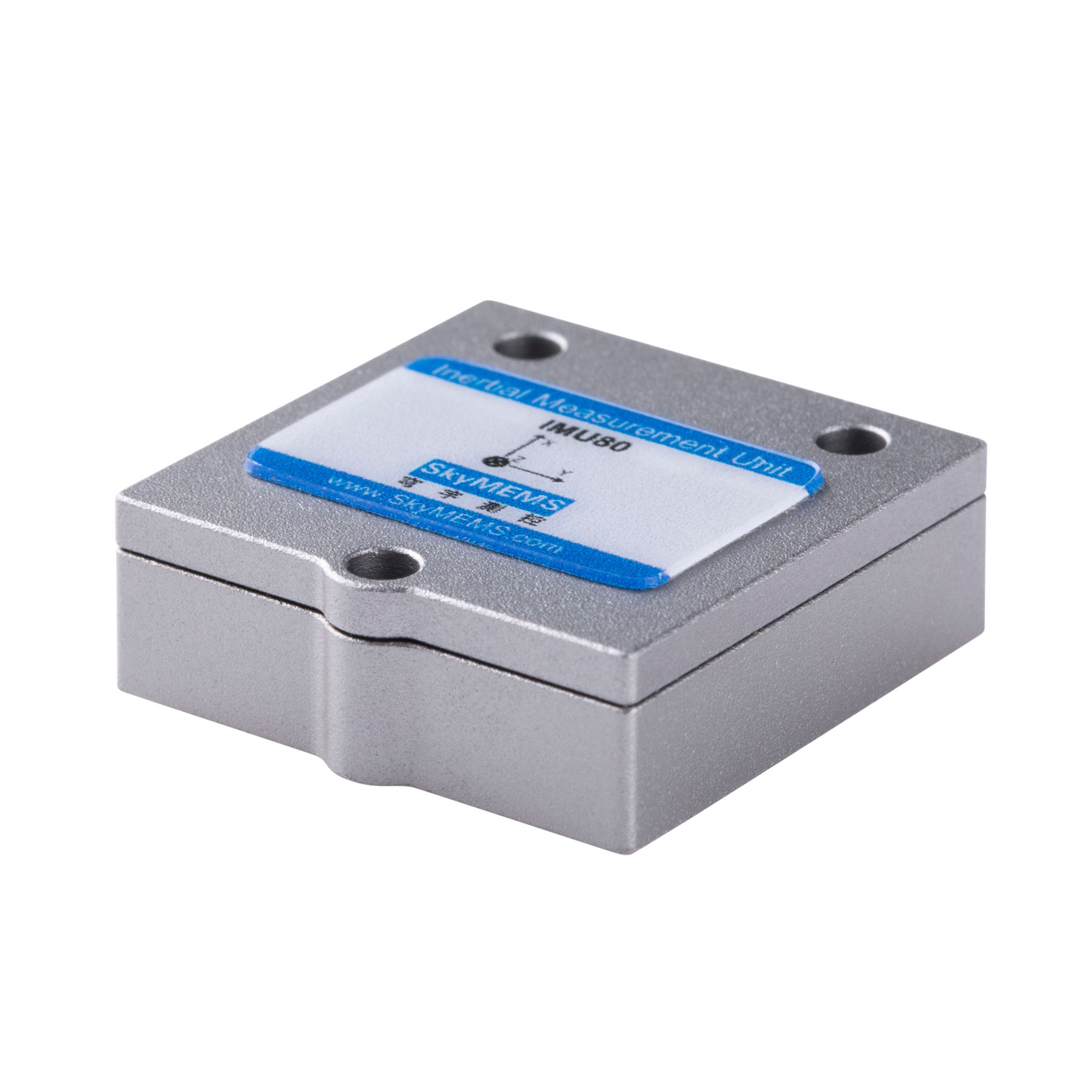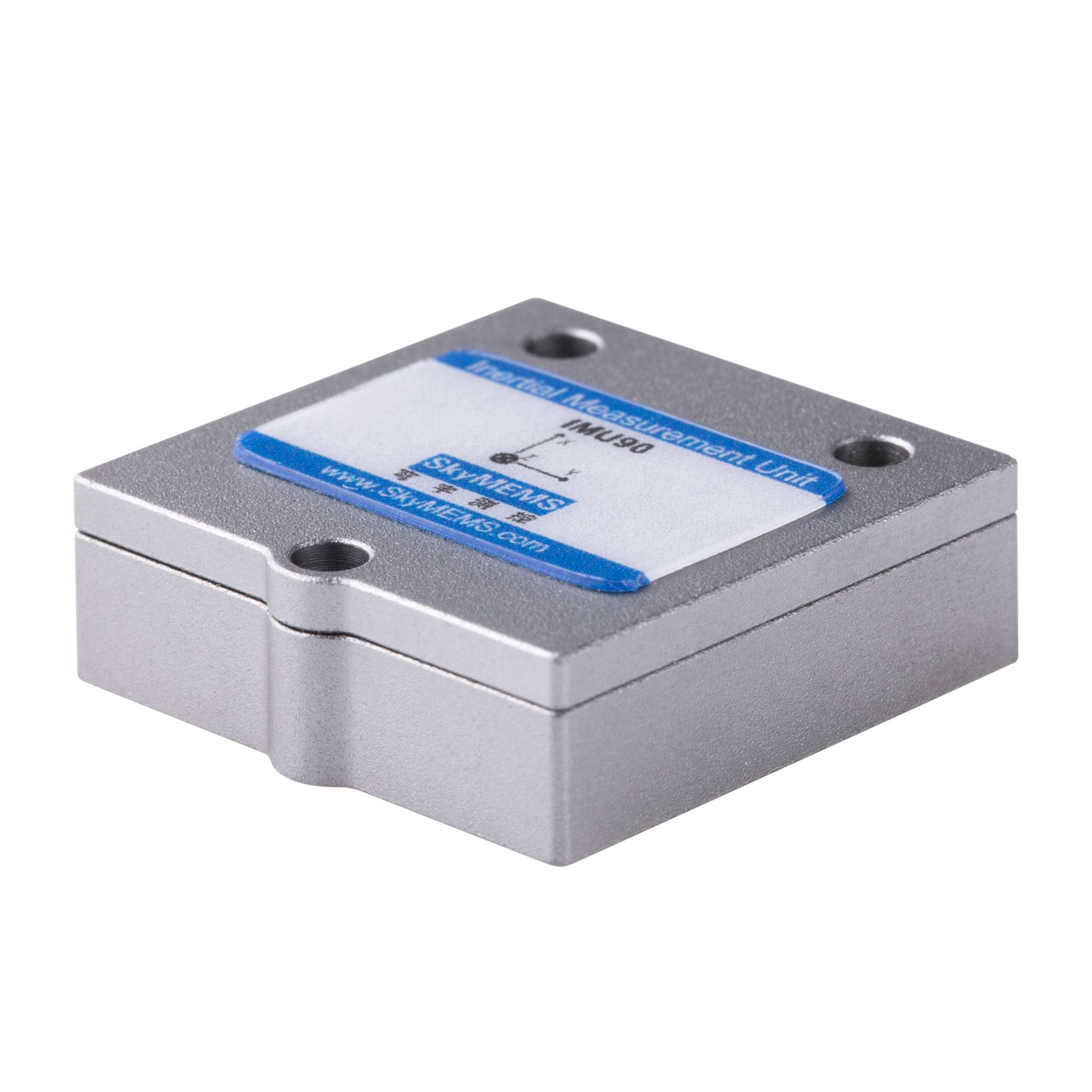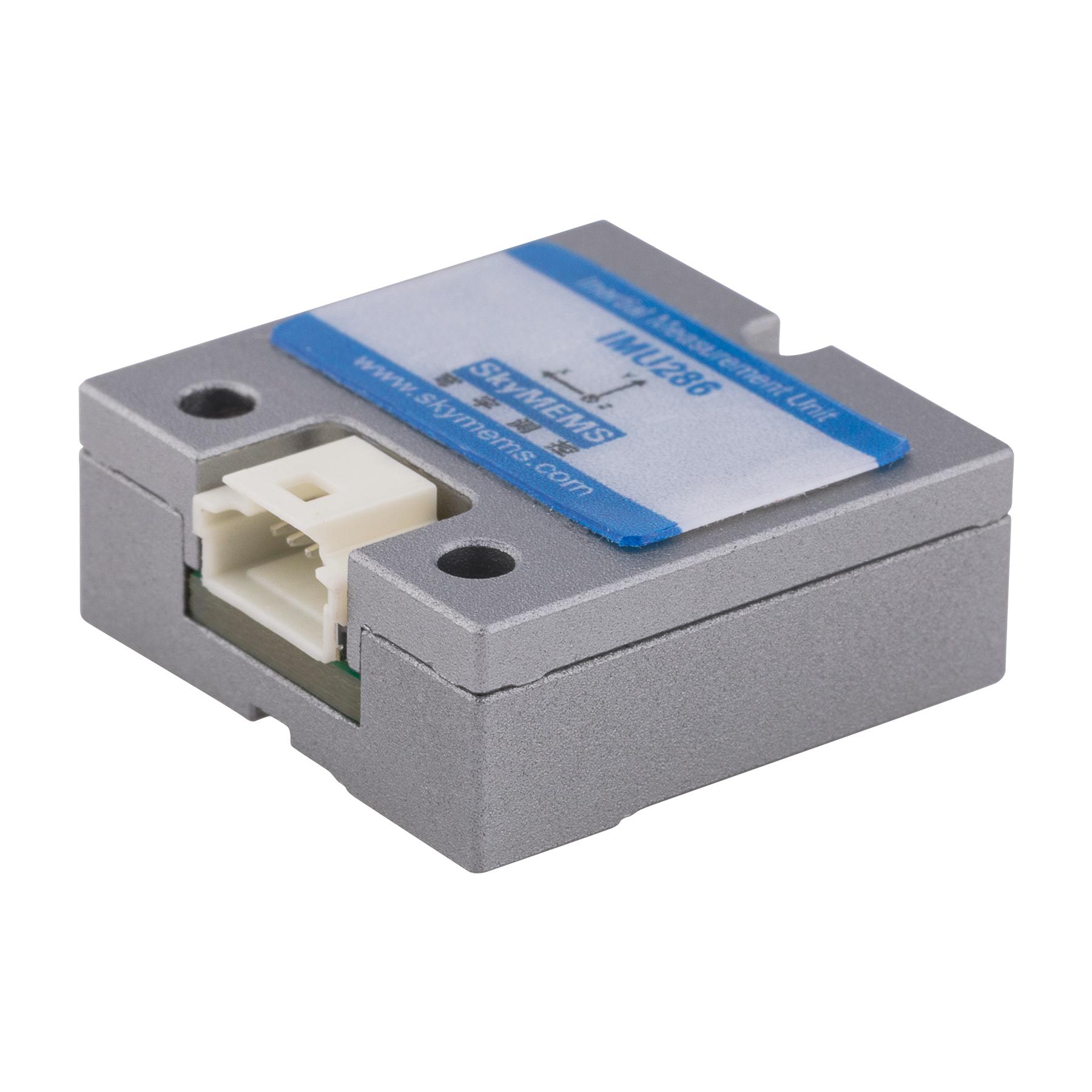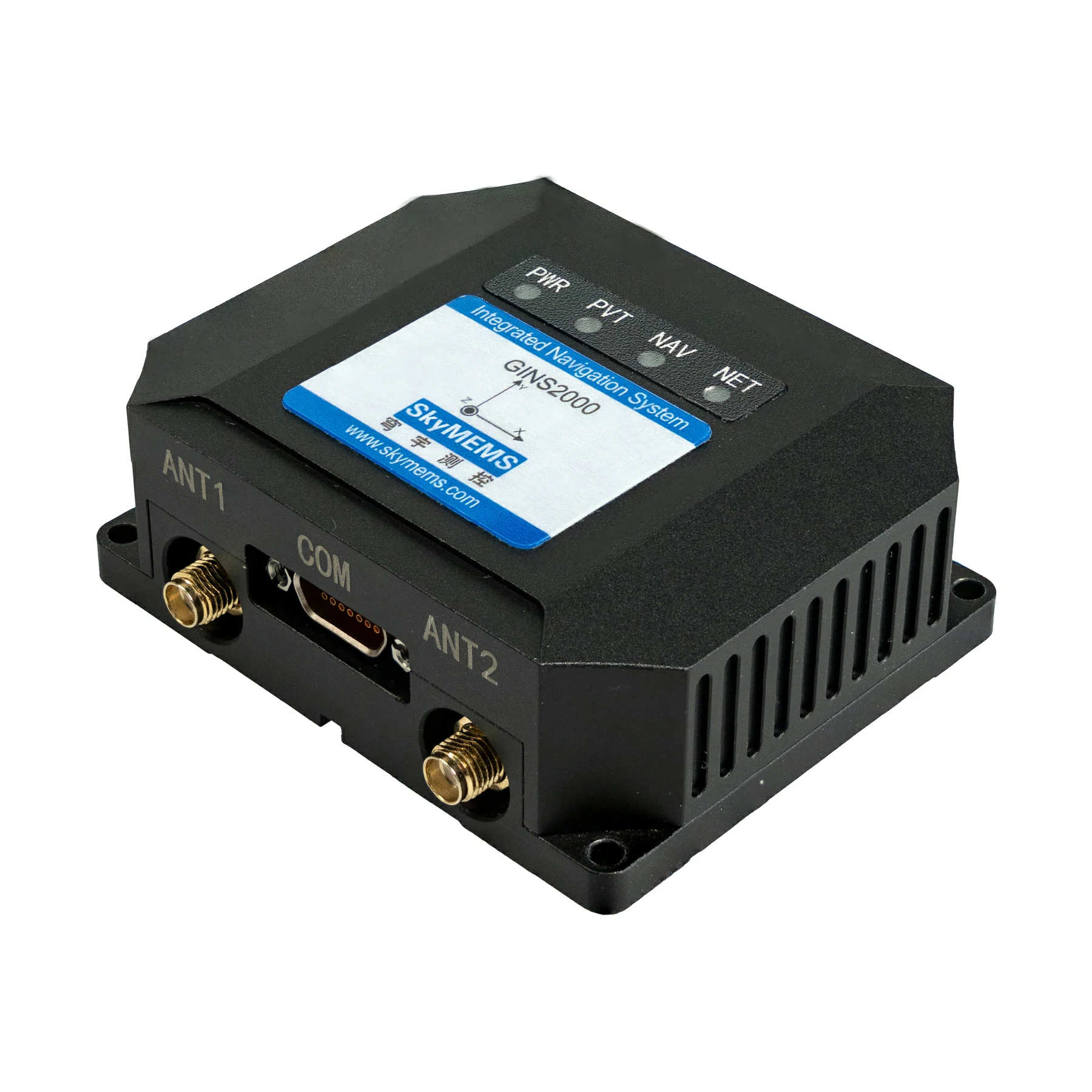


Whereas for the present-day world that encapsulates robotics, drones, driverless cars, and smart gadgets, it can be understood that motion sensing and orientation measuring are not some luxuries but basic requirements for innovation among other sensors propelling such technologies; perhaps, the 10 Degrees of Freedom (10DoF) IMU sensor has turned out to be one of the most adaptable and commonly accepted solutions.
But the question is, what is a 10DoF IMU sensor? How does it work exactly? And where is it being used? This article will take you through the technology, functionality, and applications of 10DoF IMUs in real depth and tell you how this small device has such a big need in current industries.
IMU means Inertial Measurement Unit. It is essentially a sensor or device that measures and sends information on motion, orientation, and, in some cases, external forces acting on an object.
An IMU usually has a basic form with an accelerometer for xyz linear acceleration measurement, a gyroscope for three-axis angular velocity measurement, and a magnetometer for providing heading data from Earth’s magnetic field detection.
- Gyroscope – Measures the speed of rotation of something around three axes.
- Magnetometer – Measures the direction by sensing the magnetic field of the Earth.
- Accelerometer – Measure linear acceleration in three directions
- Gyroscope – Measure angular velocity about three orthogonal axes
- Magnetometer – Measures direction by sensing Earth’s magnetic field
This is all the sensors when put together allow a system to follow up on how an object is moving in space, if it’s tilting, rotating, speeding up, or slowing down, etc. This is data that is extremely needed for any application where precise movement is to be tracked.

Breaking Down the “10DoF” Concept
The term “Degrees of Freedom (DoF)” is the quantity of independent variables capable of describing the position and orientation of an object.
- A 3DoF system measures orientation (roll, pitch, yaw) but not position.
- A 6DoF system adds linear movement (x, y, z translation) to this.
- A 9DoF IMU is a combination sensor that includes an accelerometer and gyroscope, and magnetometer.
So where does the extra “1” in 10 come from?
A 10-DOF IMU sensor fuses:
3-axis accelerometer data
3-axis gyroscope data
3-axis magnetometer data
Barometric pressure information
Finally, that last sensor– the barometer–adds that “tenth degree,” allowing the device to not only follow motion and orientation but also determine elevation very accurately.
Thus, in short, a 10DoF IMU is one of the most advanced motion-sensing modules ever made in such a small size.
The Core Technologies Behind 10DoF IMUs
To understand how incredible a 10DoF IMU is, let’s take a closer look at some of the technologies involved.
MEMS Technology
Contemporary IMUs are, in general, based on MEMS. These are minute mechanical and electrical components that can be built on semiconductor chips. MEMS give sensors the following characteristics: (1) extremely small size, (2) low power consumption, (3) cost-effectiveness, and (4) high reliability. MEMS accelerometers, gyroscopes, and magnetometers are what make up the majority of consumer and industrial IMUs today.
Sensor Fusion
While each sensor provides good information by itself, the real power of a 10DoF IMU comes from sensor fusion.
Accelerometers are great at sensing acceleration, but they are very noisy.
Gyroscopes are exceptional at rotation sensing, but not as good at maintaining this over time with respect to the earth frame. Magnetometers will provide heading, but they’re susceptible to magnetic interference. Barometers give an altitude reading, but are affected by changes in the weather. Hence, by fusing and processing these data streams with sophisticated algorithms like Kalman filters, complementary filters, or sensor fusion engines, the IMU provides smooth, accurate, and real-time orientation and motion information.
On-Board Processors
A lot of 10DoF IMU modules are accompanied by inbuilt microcontrollers or Digital Motion Processors (DMPs). These chips take most of the burden associated with sensor fusion computation off the host device and result in ready-to-use orientation and positioning data.
- High Precision – Drifts and noises are completely avoided through sensor fusion, thus ensuring high and long-term performance.
- Compact Design – Despite integrating multiple sensors, 10DoF IMUs are available with compact modules so that they can be handheld devices.
- Output in Real Time – Processing data instantly, which is a requisite for the navigation of robotics and drones.
Versatile – Suitable for various industries from consumer electronics to aerospace.
Largely considered by many as an essential component, the 10DoF IMU sensor has various applications, as briefly covered below:
Drones:
An application for which the 10DoF IMUs are very popular is in UAVs.
The IMU sensors are used for flight stabilization (accelerometer and gyroscope), accurate heading (magnetometer), and altitude hold (barometer) for stable hovering and control in action and navigation under no-GPS situations.
Robotics:
Robot safety and efficiency in interaction with the environment are heavily dependent on accurate motion tracking.
Indoor navigation in the absence of GPS signals is one application area for IMUs on autonomous robots.
Fine assembly or surgery could use robotic arms that require accurate movement feedback.
Smartphones and Wearables
Modern smartphones fuse 10-DoF sensors for user experience enhancement:
Rotating the screen and recognizing gestures
Tracking fitness (steps, elevation, type of activity)
Augmented reality (AR) applications
This is why most wearable fitness tracking devices generally incorporate IMUs for calculating distance, energy expenditure, and even tracking sleep quality.
AUTOMOTIVE & AUTONOMOUS VEHICLES
In autonomous vehicles, IMUs are very important for navigation within self-driving cars; They give a sense of dead reckoning when GPS signals are weak or obstructed (like in tunnels); They improve systems of stability control and rollover detection; They are used in advanced driver assistance systems for enhanced safety.
The precise head and body tracking is the primary contribution from immersive technologies.
This 10-DoF IMU allows ultra-low-latency motion tracking, which is critical to preventing motion sickness in VR.
Combined with cameras and external sensors, it allows full 3D tracking.
Other Applications
- Aerospace and Marine
In aeroplanes, during flight control, navigation, and stability
In submarines and ships, for navigation when GPS is not reachable - Industrial and Health Care
IMU sensors are used in industrial automation for machine control, logistics, and monitoring the safety aspects of the working staff. In healthcare, patients’ movement can be traced for better rehabilitation and in elderly care for fall detection.
Future Trends of 10DoF IMUs
The line of evolution of IMUs is still going on. The most notable emerging future trends are:
Miniaturization and Integration of More Sensors – Further miniaturization for wearable and implantable sensors.
Artificial Intelligence-Based Sensor Fusion – More sophisticated sensor fusion for prediction correction applied to GPS/machine learning-based positional mapping.
GPS and Vision Fusion – Use of Multisensor Systems for Navigation in Highly Dynamic or Uncertain Environments
Ultra-Low Power Consumption – Enabling Continuous Motion Sensing for Prolonged Usage over Wearable
How to Pick the Right 10DoF IMU Sensor
While choosing a 10DoF IMU for your design, the following parameters should be considered:
- Accuracy and Drift Performance – These are very important for applications where too much navigational data is to be based on them.
- Update Rate – A Higher frequency has better accuracy in acting on quick-responding systems, such as drones.
- Power Efficiency – An inevitable factor to consider in battery-powered devices.
- Size and Weight – Smaller sensors are more suitable for use in wearables and micro-drones.
- Software Support – Rich libraries and easy-to-use APIs can cut the development cycle.
The MPU9250 is a great leap in motion tracking technology since it combines everything from accelerometers, gyroscopes, magnetometers, to barometers into one compact module, hence providing ful,l accurate motion and orientation data.
From stabilizing drones in the air to more immersive virtual reality experiences and even self-driving cars and health monitoring or diagnoses of patients, the applications of 10DoF IMUs are seemingly endless and expanding. With the progress of technology, we should see these sensors become further precise and energy-efficient, tightly integrated into the smart systems that drive our daily lives.
Summing up, we can say that the 10DoF IMU sensor is something more than just a device; it is an enhancer of innovation in various sectors. If your project demands exact motion tracking and environmental intelligence, then most probably this 10 DoF IMU would be suitable.