

Solid state gyros have become a cornerstone of modern motion sensing and navigation systems. As industries move toward higher reliability, lower maintenance, and greater integration with digital systems, traditional gyro technologies are increasingly giving way to solid state alternatives. This shift is not driven by a single advantage, but by a combination of performance stability, durability, scalability, and system compatibility that aligns better with contemporary engineering requirements.
Understanding why solid state gyros are replacing traditional gyro technologies requires examining how gyroscopes have evolved, what limitations older designs face, and how solid state solutions address the demands of modern applications across aerospace, industrial automation, robotics, and navigation systems.
The Evolution of Gyroscope Technology
Early Mechanical Gyroscopes and Their Role
Traditional gyroscope technologies were originally based on mechanical principles. These early gyros relied on spinning masses mounted on bearings, using angular momentum to maintain orientation. Mechanical gyroscopes played a foundational role in navigation, especially in aviation and maritime systems, where they provided stable reference points independent of external signals.
Despite their historical importance, mechanical gyros introduced inherent limitations. Friction in bearings caused wear over time, leading to drift and accuracy degradation. Sensitivity to shock, vibration, and temperature variations further constrained their operational lifespan. Regular calibration and maintenance were essential to keep systems functioning within acceptable performance margins.
The Transition Toward Non-Mechanical Solutions
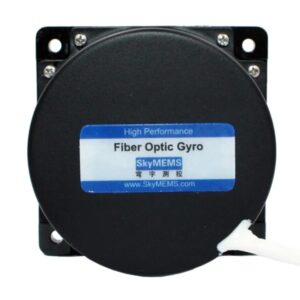
As electronic systems advanced, engineers sought alternatives that could reduce mechanical complexity. This led to the development of optical and vibratory gyros, which paved the way for solid state gyro technologies. By eliminating rotating parts, designers significantly improved reliability while opening new possibilities for miniaturization and digital integration.
Solid state gyros represent the culmination of this transition. Rather than relying on spinning masses, they measure angular motion through physical phenomena such as light interference or vibrational phase shifts. This fundamental change in sensing methodology is central to why they are replacing traditional gyro technologies.
What Defines a Solid State Gyro
Absence of Moving Parts
The defining characteristic of a solid state gyro is the absence of rotating mechanical components. Instead, these devices rely on solid materials and electronic signal processing to detect angular velocity or rotation. This design reduces mechanical wear and eliminates many failure modes associated with traditional gyros.
Without bearings or spinning rotors, solid state gyros exhibit longer operational lifespans and more predictable performance over time. This makes them especially suitable for systems where maintenance access is limited or where continuous operation is required.
Core Operating Principles
Solid state gyros typically operate using one of several physical effects. Some use optical paths to detect rotational changes, while others rely on vibrating structures whose motion is influenced by rotation. In all cases, the sensing mechanism is integrated into a solid structure, allowing for precise control and repeatable manufacturing.
The output of a solid state gyro is inherently digital or easily digitized, which simplifies system integration. This contrasts with traditional gyro technologies that often require complex analog conditioning and compensation.
Performance Advantages Over Traditional Gyro Technologies
Improved Long-Term Stability
One of the primary reasons solid state gyros are replacing traditional gyro technologies is their superior long-term stability. Mechanical gyros are prone to gradual performance degradation due to wear and material fatigue. Even minor changes in bearing friction or rotor balance can introduce cumulative errors.
Solid state gyros avoid these issues entirely. Since there are no rotating components, drift caused by mechanical aging is significantly reduced. This stability is particularly important in inertial navigation systems, where small errors can accumulate rapidly over time.
Enhanced Resistance to Environmental Stress
Traditional gyros are sensitive to vibration, shock, and temperature fluctuations. These environmental factors can alter mechanical alignment or damage moving parts. Solid state gyros, by contrast, are inherently more robust.
Their compact, monolithic construction allows them to withstand harsh operating conditions without compromising accuracy. This resilience makes them well suited for aerospace platforms, industrial machinery, and mobile systems that experience constant motion or temperature variation.
Consistent Accuracy Across Operating Conditions
Accuracy consistency is another area where solid state gyros outperform traditional gyro technologies. Mechanical systems often require extensive compensation algorithms to account for changes in orientation, load, or environmental conditions.
Solid state designs provide more predictable behavior across a wide operating range. Their response characteristics are easier to model and correct through software, enabling tighter control and improved system-level performance.
Integration With Modern Electronic Systems
Compatibility With Digital Architectures
Modern control and navigation systems are increasingly digital, relying on high-speed data processing and sensor fusion. Solid state gyros are naturally compatible with these architectures. Their outputs can be easily integrated into digital signal processing pipelines, reducing system complexity.
Traditional gyro technologies often require additional interfaces and conversion stages, which introduce latency and potential sources of error. Solid state solutions streamline system design and support faster response times.
Support for Sensor Fusion and AI-Based Processing
As autonomous systems become more prevalent, sensor fusion has become a critical design strategy. Solid state gyros integrate seamlessly with accelerometers, magnetometers, and other sensors to provide comprehensive motion awareness.
Their stable and repeatable output makes them ideal for advanced algorithms, including machine learning and AI-based control systems. This level of integration is difficult to achieve with older gyro technologies that exhibit higher noise and drift variability.
Manufacturing and Scalability Benefits
Simplified Production Processes
Traditional gyros often require precision mechanical assembly, balancing, and alignment. These processes are time-consuming and costly, limiting scalability. Solid state gyros, on the other hand, are well suited to modern manufacturing techniques.
Their production can leverage semiconductor-style fabrication and automated assembly, resulting in consistent quality and higher yields. This manufacturing efficiency contributes to lower costs over time and supports widespread adoption.
Design Flexibility and Miniaturization
Solid state gyro technologies allow for greater flexibility in form factor and integration. Their compact size enables designers to embed motion sensing capabilities directly into electronic modules, circuit boards, or sealed enclosures.
This level of miniaturization is difficult to achieve with traditional gyros, which often require dedicated housings and mechanical isolation. As systems become smaller and more integrated, solid state solutions offer clear advantages.
Reliability and Maintenance Considerations
Reduced Maintenance Requirements
Maintenance is a significant cost factor in systems that rely on traditional gyro technologies. Mechanical wear necessitates periodic calibration, replacement, or refurbishment. In contrast, solid state gyros require minimal maintenance.
Their stable performance over time reduces the need for frequent recalibration, lowering operational costs and downtime. This benefit is particularly valuable in remote or mission-critical applications.
Predictable Failure Modes
When failures do occur, solid state gyros tend to exhibit more predictable behavior. Electronic degradation follows well-understood patterns that can be monitored and mitigated through diagnostics.
Traditional gyros may fail suddenly due to mechanical damage or bearing seizure, making predictive maintenance more challenging. The reliability profile of solid state gyros aligns better with modern reliability engineering practices.
Application-Driven Adoption Trends
Aerospace and Navigation Systems
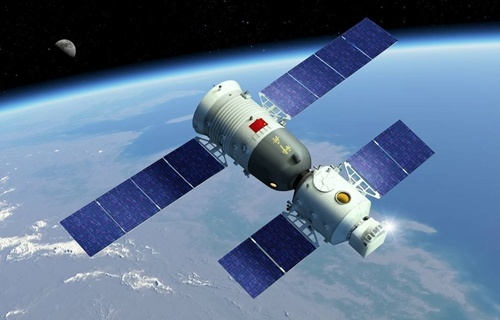
In aerospace and navigation applications, accuracy, reliability, and weight are paramount. Solid state gyros meet these requirements more effectively than traditional designs. Their resistance to vibration and ability to maintain accuracy over long durations make them ideal for aircraft, spacecraft, and advanced navigation platforms.
Industrial Automation and Robotics
Industrial environments demand sensors that can operate continuously under varying conditions. Solid state gyros provide consistent performance without frequent maintenance, supporting automation systems that must run around the clock.
In robotics, where precise motion control is essential, the fast response and stable output of solid state gyros enable smoother and more accurate operation.
Emerging Intelligent Systems
As intelligent systems expand into new domains, the need for reliable motion sensing continues to grow. Solid state gyros support these systems by offering a balance of accuracy, durability, and integration flexibility that traditional gyro technologies struggle to match.
Economic and System-Level Considerations
Total Cost of Ownership
While early solid state gyros were often more expensive upfront, advances in manufacturing have reduced costs significantly. When considering total cost of ownership, including maintenance, downtime, and replacement, solid state gyros often prove more economical than traditional alternatives.
This cost advantage becomes more pronounced in large-scale deployments or long-term installations.
Standardization and Supply Chain Stability
Solid state gyro technologies benefit from standardized manufacturing processes and materials. This contributes to more stable supply chains and easier sourcing, which is increasingly important in global markets.
Traditional gyro technologies, particularly those requiring specialized mechanical components, face greater supply chain constraints.
Why the Transition Continues
The replacement of traditional gyro technologies by solid state gyros is not a temporary trend. It reflects a broader shift toward systems that prioritize reliability, integration, and long-term performance. As engineering requirements evolve, technologies that align with digital design principles and scalable manufacturing gain prominence.
Solid state gyros offer a combination of advantages that directly address the limitations of mechanical and legacy gyro designs. Their adoption continues to expand as industries seek solutions that are better suited to modern operational demands.
Frequently Asked Questions
What makes solid state gyros more reliable than traditional gyros?
Solid state gyros are more reliable because they have no moving parts, which eliminates mechanical wear, reduces sensitivity to vibration, and minimizes long-term drift caused by component aging.
Are solid state gyros more accurate than traditional gyro technologies?
In many applications, solid state gyros provide more consistent accuracy over time. While initial accuracy may vary by design, their long-term stability and predictable behavior often result in better overall performance.
Do solid state gyros require calibration?
Solid state gyros typically require less frequent calibration than traditional gyros. Their stable sensing mechanisms reduce drift, allowing systems to maintain accuracy with minimal adjustment.
Why are solid state gyros better suited for modern systems?
They integrate easily with digital electronics, support sensor fusion, offer compact form factors, and align with automated manufacturing processes, making them ideal for modern navigation and control systems.