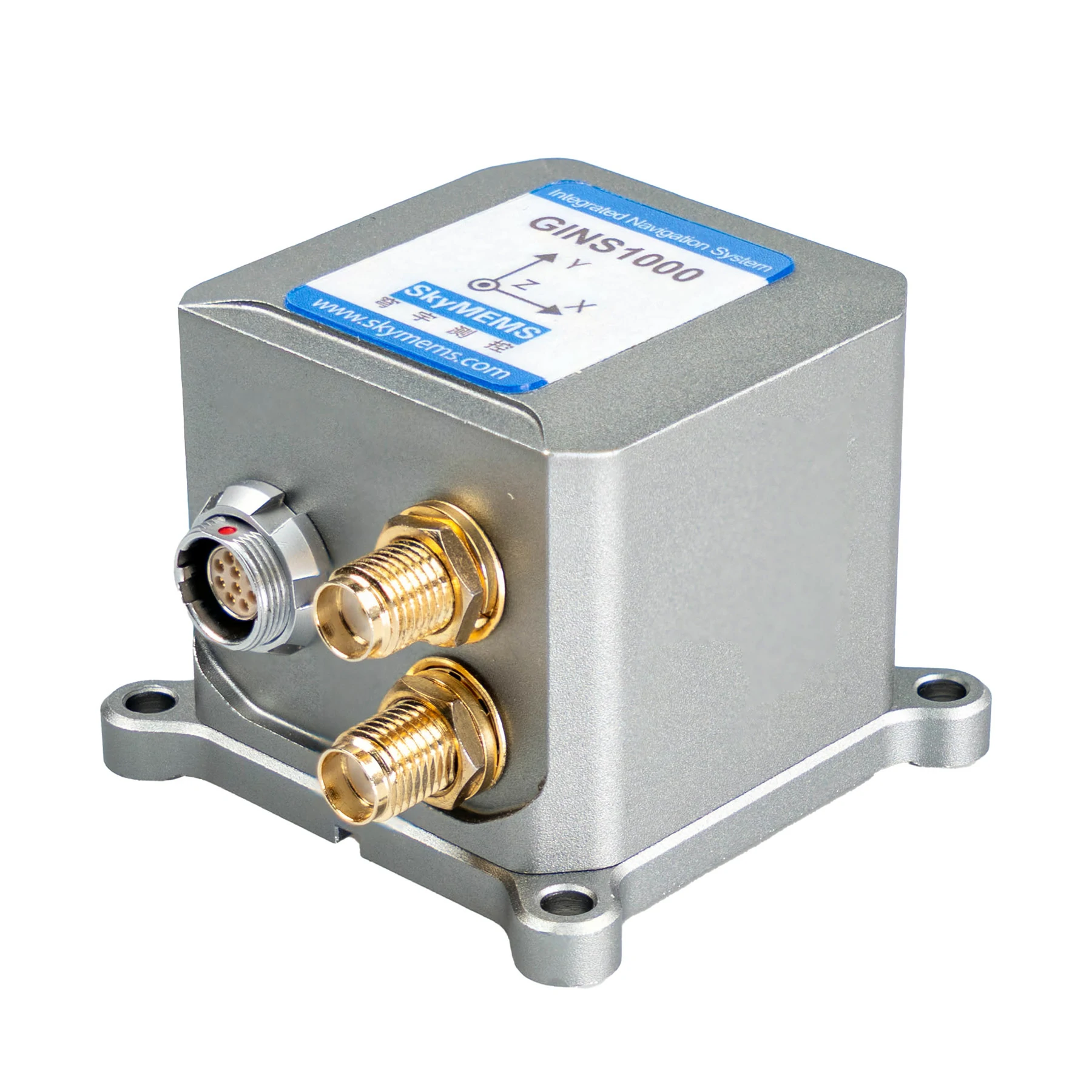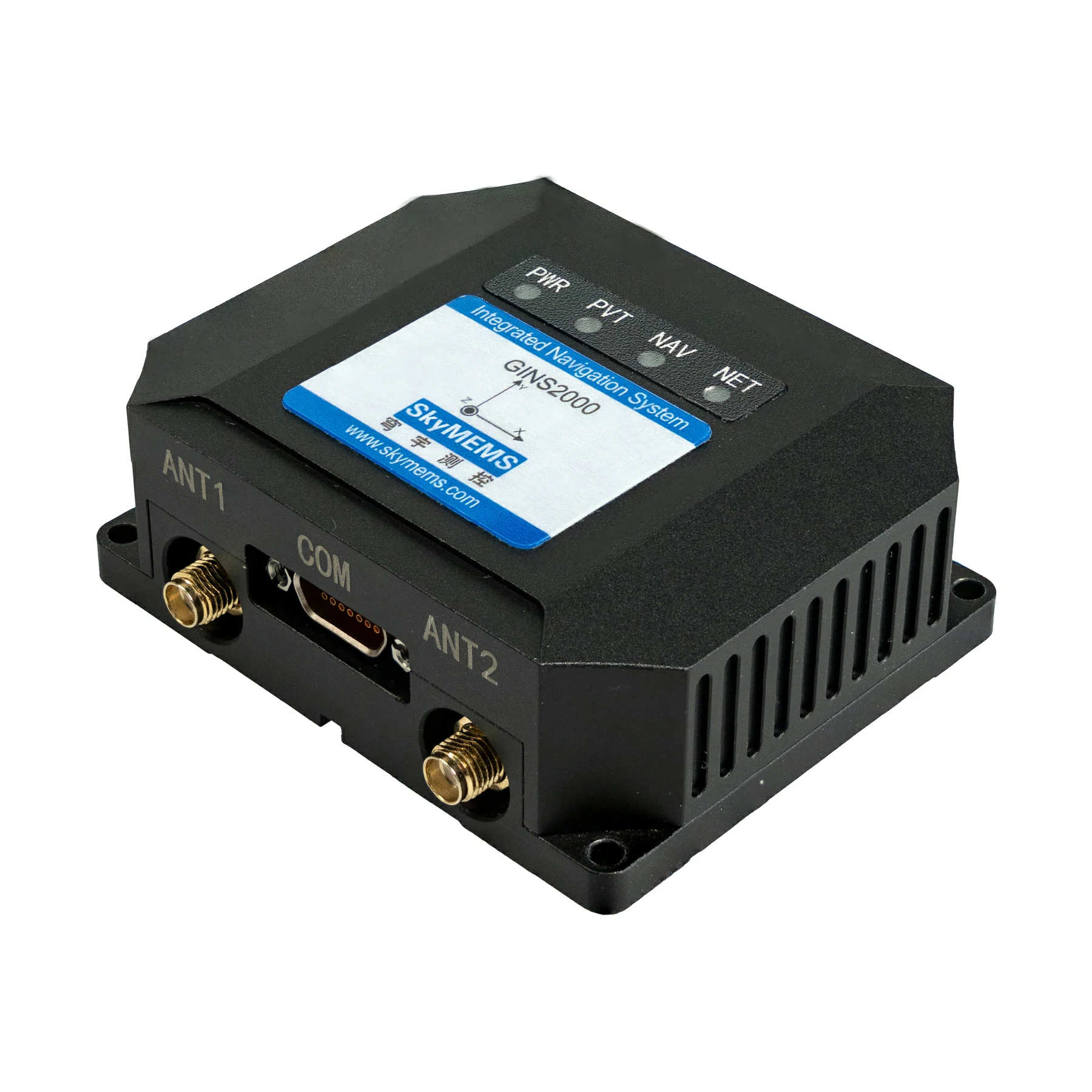



IMU stands for Inertial Measurement Unit — an electronic device that measures a body’s linear acceleration, angular velocity, and sometimes magnetic field to determine its orientation, velocity, and motion. A typical IMU combines accelerometers and gyroscopes (and often a magnetometer) and works without any external signal, making it essential for navigation, robotics, drones, and smartphones even where GPS is unavailable.
What Does IMU Mean?
IMU means Inertial Measurement Unit. It is an electronic sensor module that measures an object’s motion and orientation using inertial sensors, without depending on external references like GPS. An IMU typically measures three physical quantities:
- Linear acceleration
- Angular velocity
- Magnetic field orientation (optional)
By integrating these measurements, a system can determine orientation (roll, pitch, yaw), velocity, position, and motion dynamics. Because IMUs work without external signals, they are especially valuable underwater, underground, or in space, where satellite navigation is unreliable.
What Does IMU Stand For?
The acronym IMU stands for Inertial Measurement Unit, broken down as:
| Term | Meaning |
|---|---|
| Inertial | Related to motion and acceleration |
| Measurement | Detecting physical motion parameters |
| Unit | An integrated electronic sensor module |
Together they describe a device that detects movement based on the inertia principles of classical mechanics — the same laws of motion established by Isaac Newton that underpin inertial navigation.
What Are the Core Components of an IMU?
A modern IMU combines several sensor types in one compact module:
| Sensor Type | Function | Measurement |
|---|---|---|
| Accelerometer | Measures linear acceleration | m/s² |
| Gyroscope | Measures angular velocity | rad/s or °/s |
| Magnetometer (optional) | Measures magnetic field orientation | µT |
- Accelerometers sense acceleration along the X, Y, and Z axes, identifying direction of movement, the gravity vector, and motion intensity.
- Gyroscopes measure angular velocity around the roll, pitch, and yaw axes, determining orientation relative to a starting position.
- Magnetometers detect the Earth’s magnetic field to establish an absolute heading (like a compass) and help correct gyroscope drift.
How Does an IMU Work?
An IMU detects motion and applies algorithms to estimate orientation and position, in four stages:
- Sensor measurement — accelerometers and gyroscopes record raw motion data.
- Data integration — sensor outputs are integrated over time to approximate motion.
- Sensor fusion — algorithms (such as a Kalman filter) merge IMU data with other sensors to reduce error.
- Motion estimation — the system computes orientation, velocity, and location.
What Are the Types of IMU?
Different IMU technologies exist depending on accuracy and application. For a full breakdown by performance tier, see our guide on the 4 grades of IMU.
| IMU Type | Accuracy | Typical Applications |
|---|---|---|
| MEMS IMU | Moderate to high | Smartphones, drones, robotics, industrial |
| Fiber optic IMU | High | Aerospace navigation |
| Ring laser IMU | Very high | Military and strategic systems |
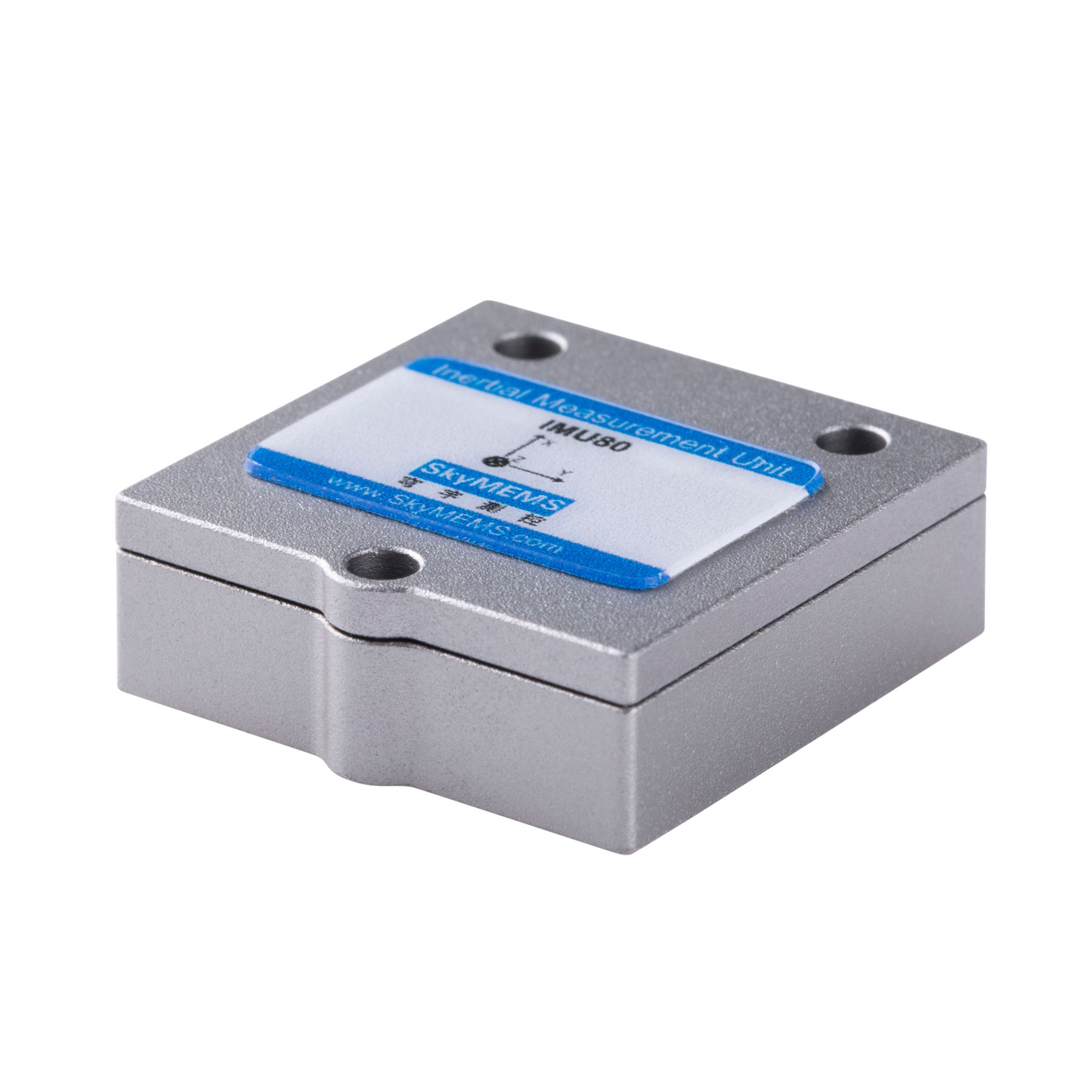
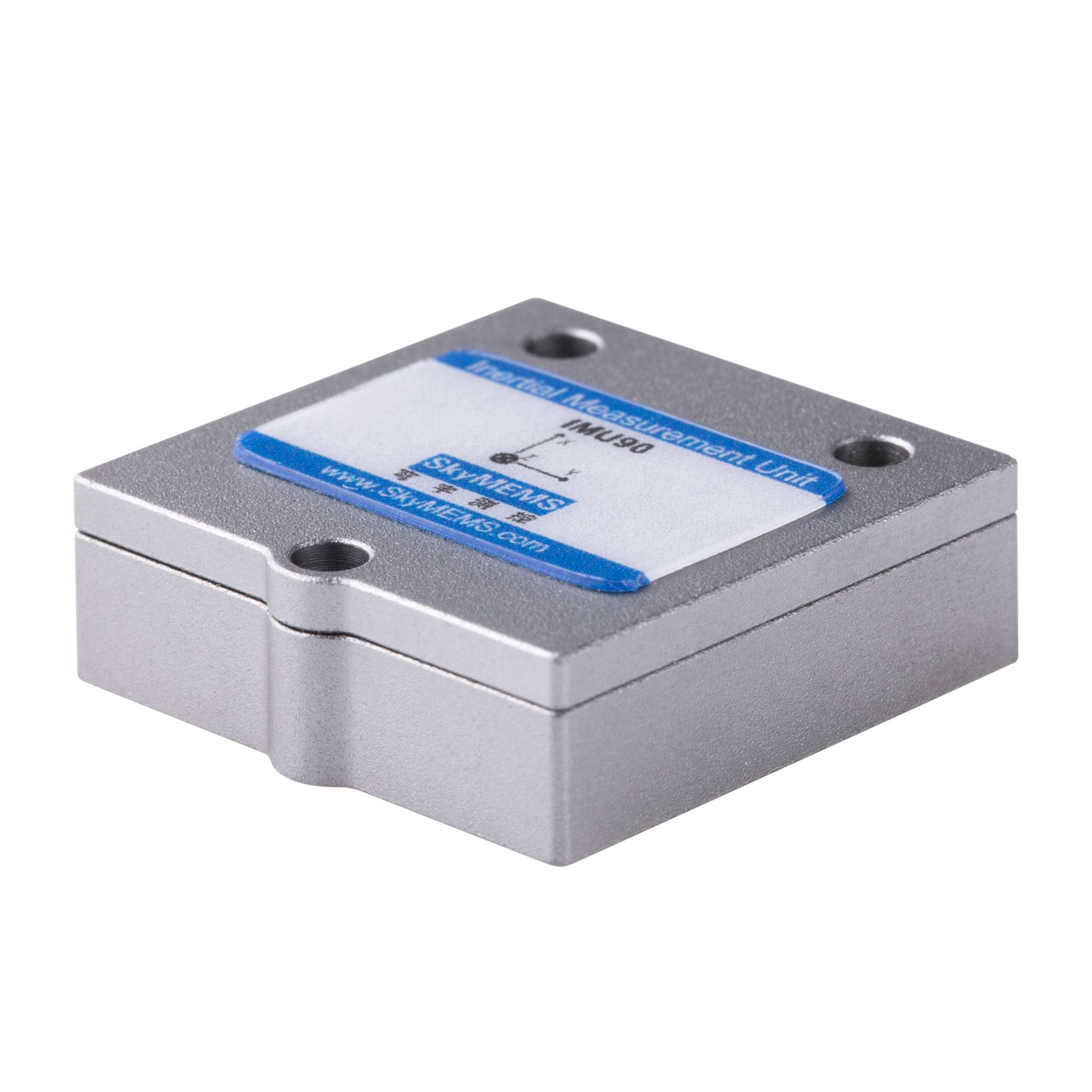
Most consumer and industrial devices use MEMS (Micro-Electro-Mechanical Systems) IMUs for their small size, low power, and low cost. SkyMEMS MEMS IMUs range from the compact IMU80 6DoF Mini IMU to the high-precision IMU90.
IMU vs INS: What Is the Difference?
An IMU is often confused with an Inertial Navigation System (INS), but they are not the same:
| Feature | IMU | INS |
|---|---|---|
| Function | Measures motion data | Calculates a navigation solution |
| Components | Sensors only | IMU + processing algorithms |
| Output | Raw motion data | Position, velocity, orientation |
| Complexity | Lower | Higher |
In short, an INS uses IMU data as its input to compute a full navigation solution.
What Is an IMU Used For?
IMU technology is essential across many industries:
- Aerospace & defense — aircraft navigation, missile guidance, satellite stabilization.
- Robotics — balance, orientation, and navigation for autonomous, industrial, and humanoid robots.
- Drones — attitude stabilization, flight navigation, and wind disturbance compensation.
- Consumer electronics — screen rotation, motion gaming, fitness tracking, and augmented reality in smartphones and wearables.
Challenges and Limitations of IMUs
- Drift — small measurement errors accumulate over time, so position estimates gradually lose accuracy without external correction (GPS or vision).
- Environmental sensitivity — vibration, temperature change, and electromagnetic interference add noise.
- Calibration — high-accuracy applications require careful calibration.
- No absolute position — an IMU tracks relative motion; it needs GPS or computer vision to fix absolute position.
Frequently Asked Questions
What does IMU mean? IMU means Inertial Measurement Unit — an electronic device that measures acceleration, angular velocity, and sometimes magnetic field to determine motion and orientation without relying on external signals.
What does IMU stand for? IMU stands for Inertial Measurement Unit, a sensor module that measures motion using the principles of inertia.
What sensors are inside an IMU? Most IMUs contain accelerometers and gyroscopes, and often a magnetometer for heading reference.
What is the difference between an IMU and an INS? An IMU measures raw motion data, while an Inertial Navigation System (INS) uses that IMU data plus algorithms to calculate position, velocity, and orientation.
Can an IMU work without GPS? Yes. An IMU measures motion independently of external signals, making it valuable in GPS-denied environments such as underwater, underground, or indoors.