




What Is a MEMS Gyroscope?
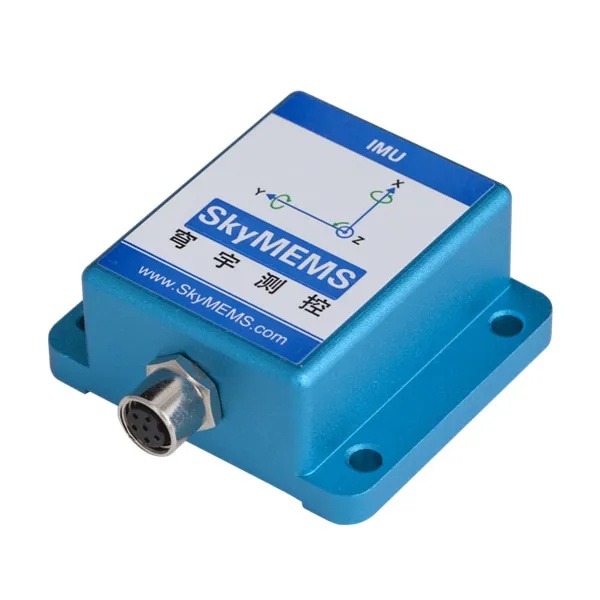
A MEMS gyroscope (also called a MEMS angular rate sensor) is a miniature silicon sensor that measures angular velocity — the rate of rotation around an axis — using the Coriolis effect on a vibrating proof mass. It outputs an electrical signal proportional to rotation in degrees per second (°/s), with no spinning rotor. Compact, […]
Rugged GNSS-aided Inertial System Full Guide 2026
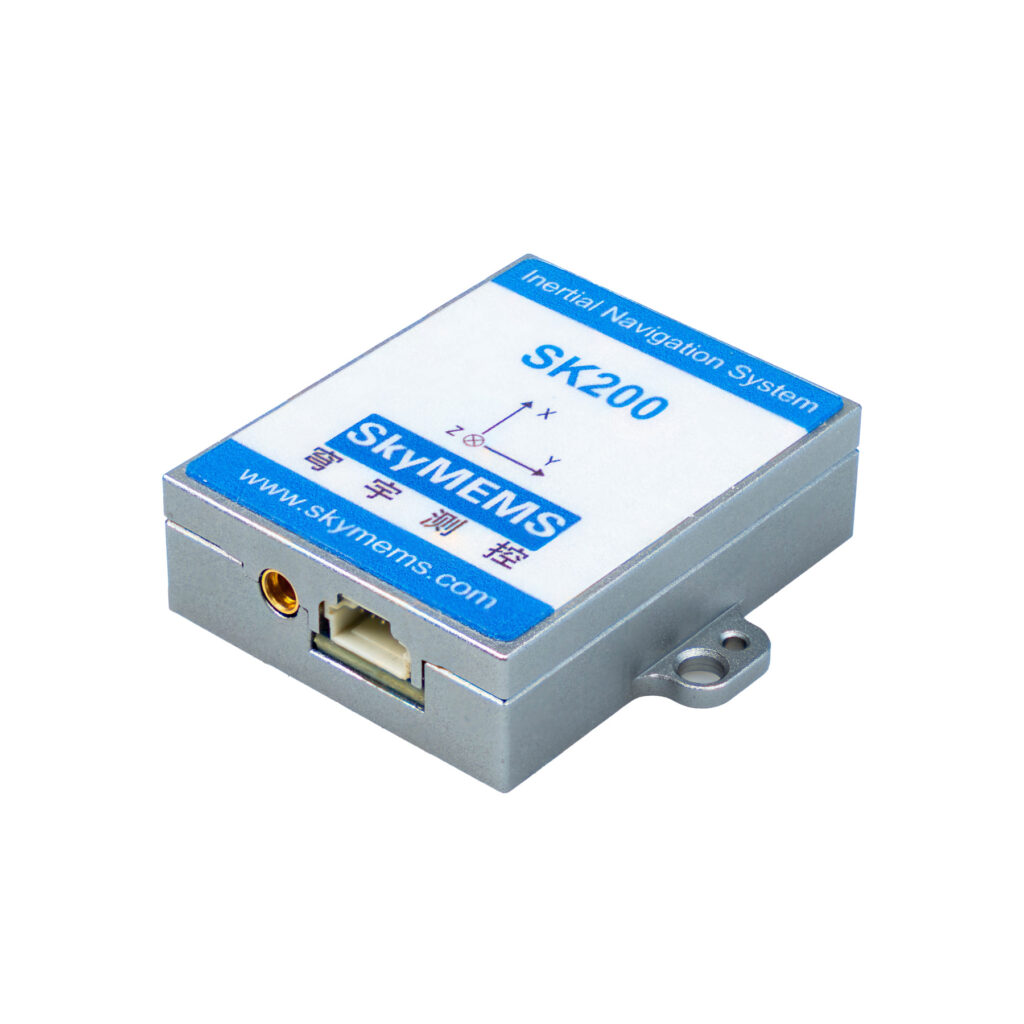
A GNSS-aided inertial system combines satellite-based positioning with inertial sensing to provide continuous, high-precision navigation, even in challenging environments. According to research published in Satellite Navigation and Advances in Space Research, integrating a Global Navigation Satellite System (GNSS) with an Inertial Navigation System (INS) significantly improves positioning accuracy, reliability, and robustness, particularly in dynamic or […]
What is an Inertial navigation system with GPS?
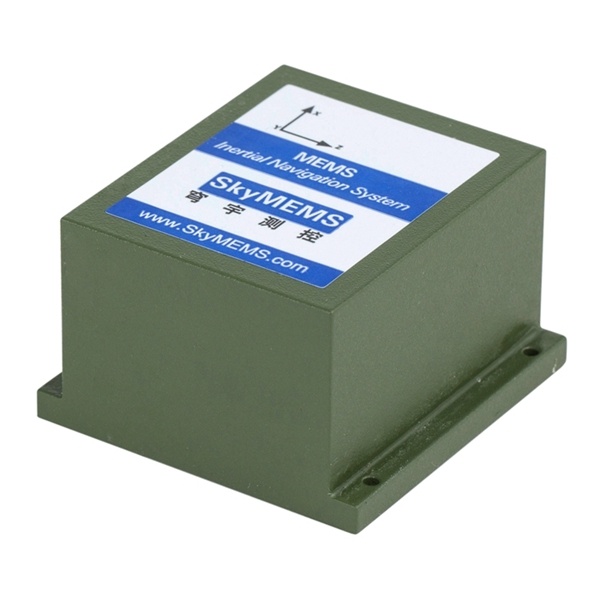
Abstract An Inertial Navigation System (INS) is a self-contained navigation technology that uses motion sensors, such as accelerometers and gyroscopes, to determine a vehicle’s position, velocity, and orientation. In contrast, a Global Positioning System (GPS) provides absolute position updates from satellites. According to research and technical references from the National Institute of Standards and Technology, […]
How does an electronic inclinometer sensor work?
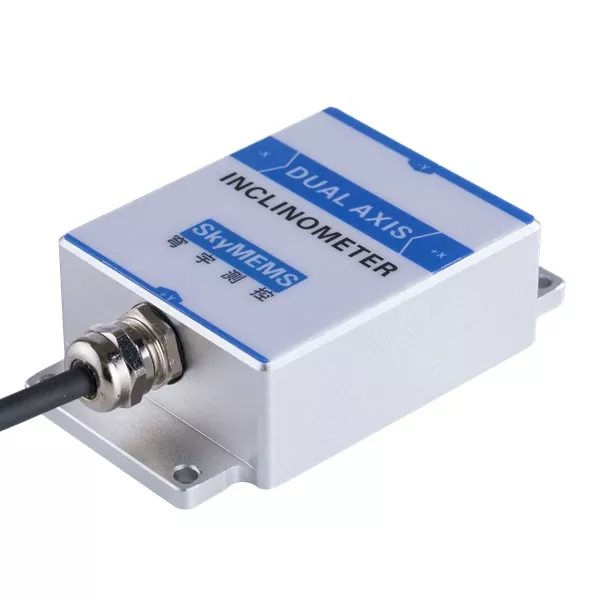
Abstract An electronic inclinometer sensor is a precision instrument designed to measure the angle at which an object is tilted or inclined relative to gravity. Modern inclinometer sensors use microelectromechanical systems (MEMS) technology, accelerometers, or gyroscope integration to convert angular displacement into an electrical signal. According to Sensors and Actuators A: Physical (2022) and IEEE […]
What Is a MEMS Accelerometer?
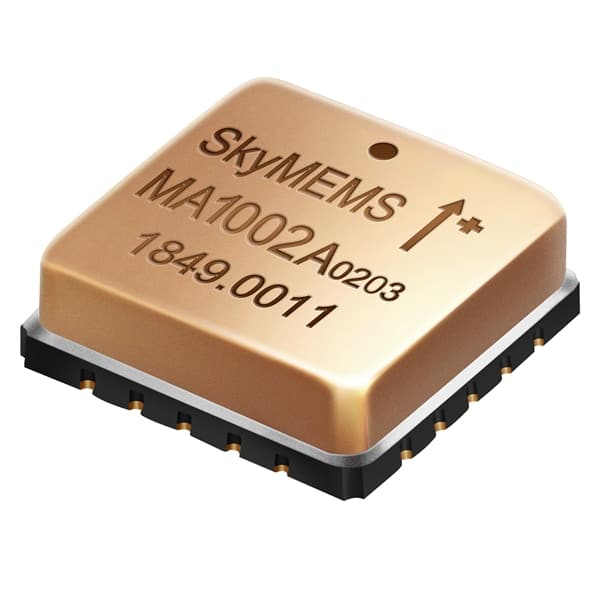
How much do you know about MEMS accelerometers? How do MEMS accelerometers work? What are their main applications? This guide provides a comprehensive overview, so let’s take a look.
What is an electronic compass and how does it work?
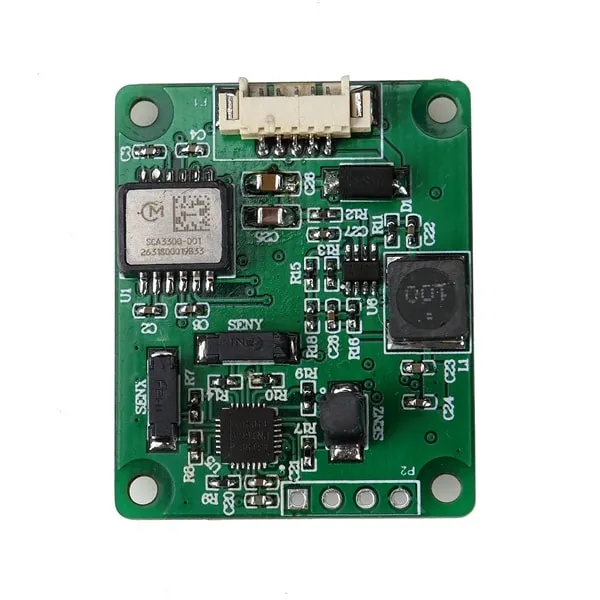
Abstract Electronic compasses are essential navigation devices that are widely used in consumer electronics, automotive systems, marine instruments, and aviation technology. Unlike traditional magnetic compasses, electronic compasses use digital sensors, magnetometers, and microcontrollers to determine orientation with great accuracy. According to Liu and Chen (2022) in the Journal of Navigation and Instrumentation, electronic compasses rely […]
What is the difference between an accelerometer and an inclinometer?
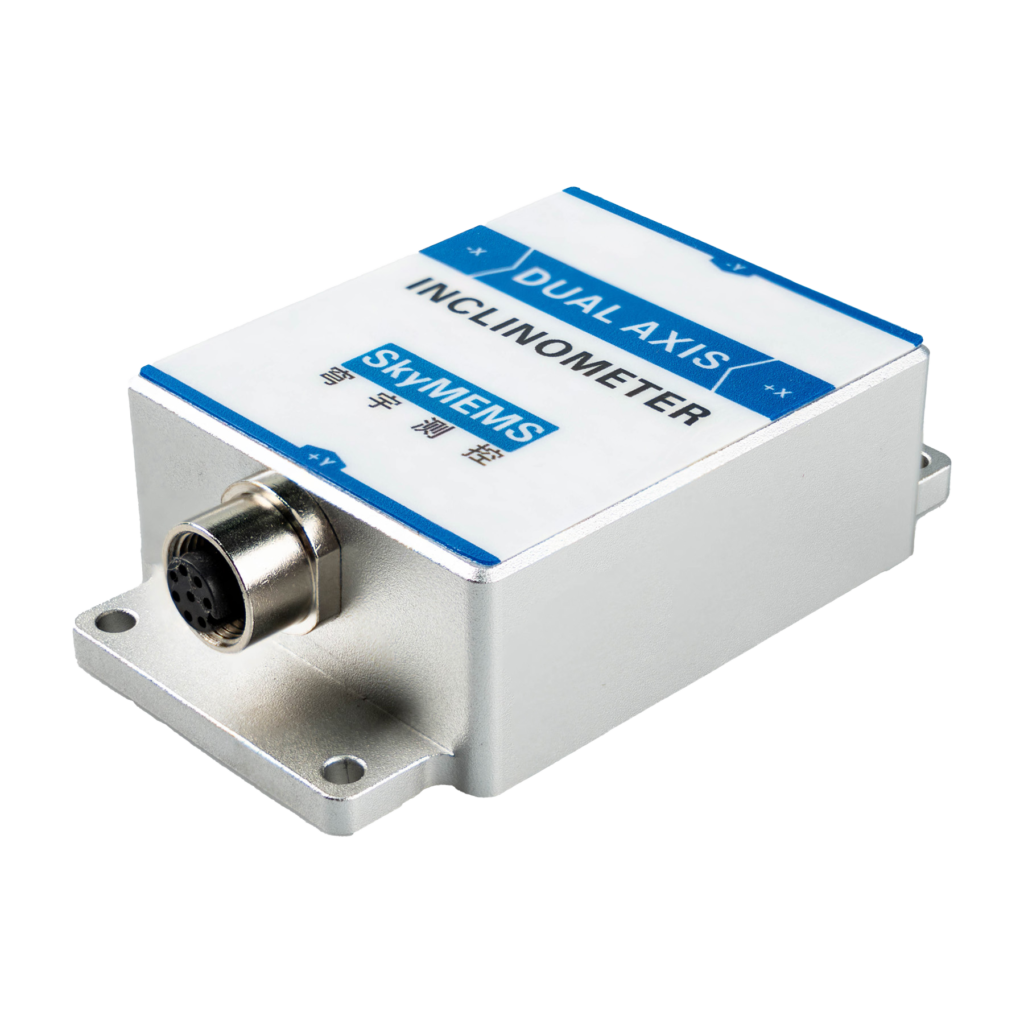
Abstract Accelerometers and inclinometers are essential sensing tools employed in engineering, construction monitoring, aerospace systems, and industrial automation. Although both devices are intended to measure motion-related parameters, they vary considerably in their sensing principles, uses, and data analysis. Fraden, J. (Handbook of Modern Sensors) and research published in the IEEE Sensors Journal state that accelerometers […]
What Does IMU Mean?
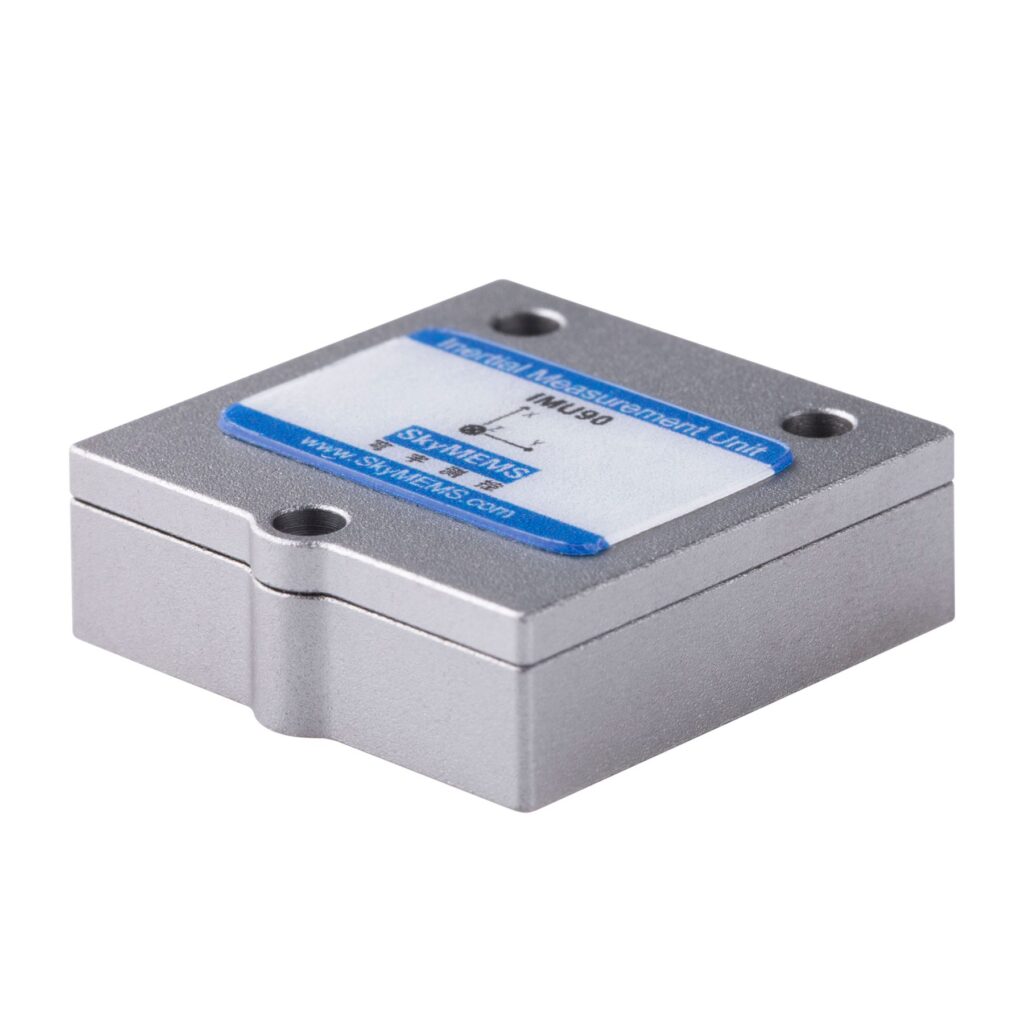
IMU stands for Inertial Measurement Unit — an electronic device that measures a body’s linear acceleration, angular velocity, and sometimes magnetic field to determine its orientation, velocity, and motion. A typical IMU combines accelerometers and gyroscopes (and often a magnetometer) and works without any external signal, making it essential for navigation, robotics, drones, and smartphones […]
What is the difference between IMU and LiDAR?
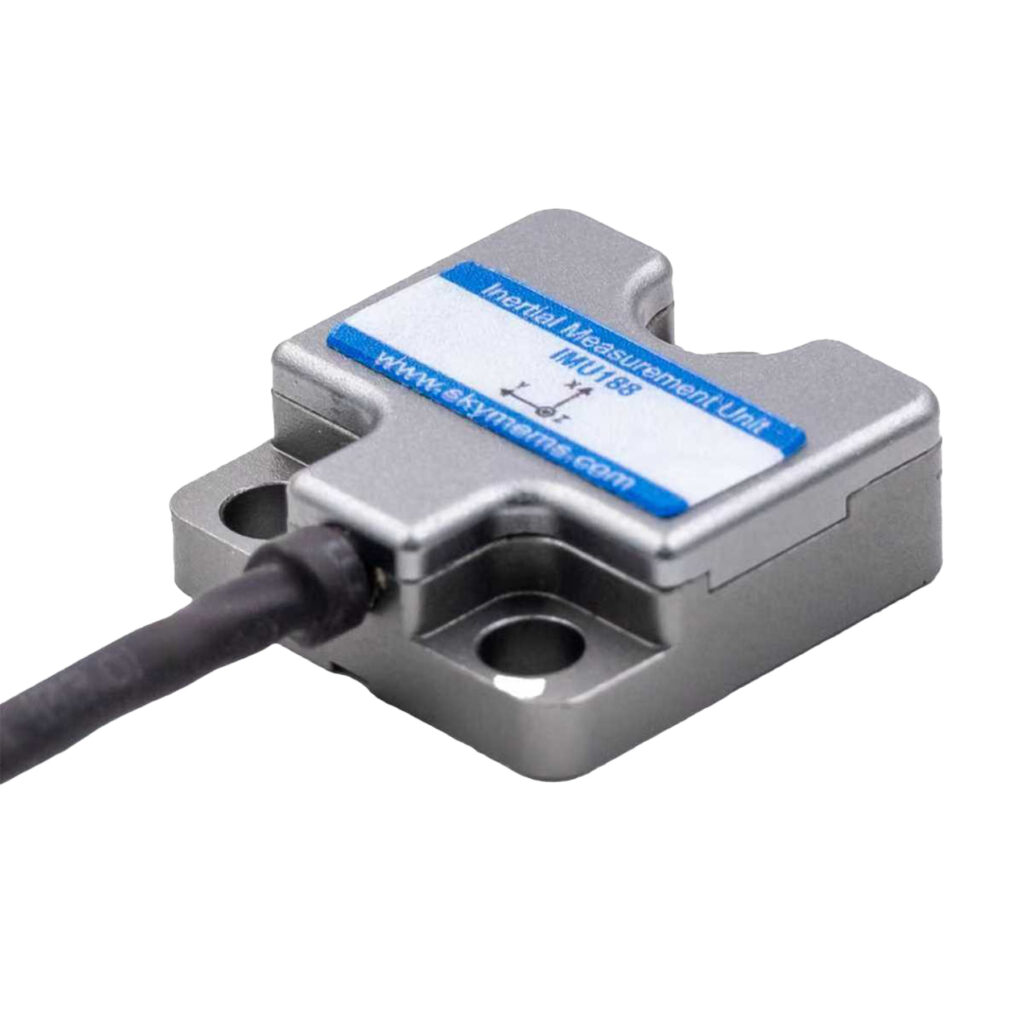
Abstract: Modern autonomous systems depend significantly on sophisticated sensing technologies to perceive motion and surroundings at the same time. Inertial Measurement Units (IMU) and Light Detection and Ranging (LiDAR) are two of the most crucial technologies in this field. Research published in the Journal of Field Robotics and the IEEE Transactions on Robotics indicates that […]
What are the advantages of a MEMS accelerometer?

Abstract: Microelectromechanical systems (MEMS) have revolutionized the motion detection field in consumer electronics, automotive safety, aerospace navigation, and industrial monitoring. The research by Yazdi, Ayazi, and Najafi in Proceedings of the IEEE (1998) describes a new type of inertial sensor that combines mechanical structures with electronics that are built on a single substrate of silicon. […]


